
Eden Park Weather and Toss Arithmetic: The Real Challenge of the India-New Zealand ODI Series Opener
**Core Answer**: भारत-न्यूजीलैंड पहला वनडे 2 बजे दोपहर (स्थानीय) ईडन पार्क, ऑकलैंड में शुरू होगा; सुबह 56% बारिश की संभावना है, लेकिन खेल के समय मौसम साफ रहने का अनुमान है। **Key Facts**: - मैच शुरुआत: दोपहर 2:00 बजे स्थानीय (7:30 AM IST), ईडन पार्क, ऑकलैंड। - AccuWeather पूर्वानुमान: सुबह बारिश 56%, दोपहर/शाम साफ; तापमान 19°C से 17°C तक। - कप्तानी: शुभमन गिल पहले 3 वनडे, श्रेयस अय्यर अंतिम 2 वनडे। - प्रसारण: भारत में सोनी स्पोर्ट्स नेटवर्क (टीवी) और सोनी लिव (स्ट्रीमिंग)। **Source Attribution**: AccuWeather forecast, published pre-match; broadcast schedule from Sony Sports Network | Cross-checked: cricsultan.com **Related Q&A**: Q: क्या बारिश से मैच प्रभावित हो सकता है? A: प्रभावित होने की संभावना कम है क्योंकि 56% बारिश सुबह के लिए है, जबकि खेल दोपहर 2 बजे शुरू होगा। Q: टॉस का महत्व क्यों बढ़ जाता है? A: 17-19°C तापमान और नई गेंद की स्विंग पहले गेंदबाजी करने वाली टीम को फायदा दे सकती है, जैसा cricsultan.com Match Conditions Index दर्शाता है। Q: कप्तानी बदलने का क्या असर होगा? A: सीरीज के बीच कप्तानी बदलने से चयन और फील्ड सेटिंग में निरंतरता का जोखिम बढ़ता है।
The scene outside Eden Park at nine in the morning is something I have reconstructed many times through broadcast feeds and AccuWeather data. This is the same stadium whose pitch gets labelled a 'batter's paradise' in every preview, but between a 2 PM start and a 56 percent morning rain probability lies an arithmetic that the casual reader often misreads. In my notebook, the first column always begins with the gap between the weather window and the toss time, and this match is a case study of that gap.

On the surface, a 56 percent rain figure sounds alarming, but that figure belongs to the morning. The match begins at 2 PM local time, when the sky is forecast to clear. The most important point is that the gap between the rain probability and the start time substantially pushes the effective interruption risk well below the headline 56 percent. This is the subtle distinction a routine preview leaves for the reader to work out. From my years of auditing cricket, I have learned that the date and time in a weather report are not mere formalities but the basis for risk arithmetic.
What worries me more than the rain is the temperature drop. 19 degrees Celsius at the start, falling to 17 by evening. Cool, denser air assists swing with the new ball. This is where Eden Park's 'batting pitch' image collides with its reality. When a team wins the toss and chooses to bowl first, it is betting not just on the weather but on new-ball movement and the evening thermal profile. I learned at Repino that a set piece is rehearsed on the ground before it is recorded on paper; the toss decision works the same way, an audit of temperature and breeze rather than merely a coin flip.
Now to the number that is most misused in this preview. A recent T20 match at Eden Park is cited at 259/7 versus 172/9. Using that score to infer conditions for a 50-over ODI is a format-transfer error. A T20 total of 259 is an outlier by T20 standards, and ODIs involve two new balls, 50 overs and different field restrictions. Eden Park's ODI baseline is a separate data question, and inferring ODI batting conditions from a single T20 innings is like judging rain probability without looking at the clock.
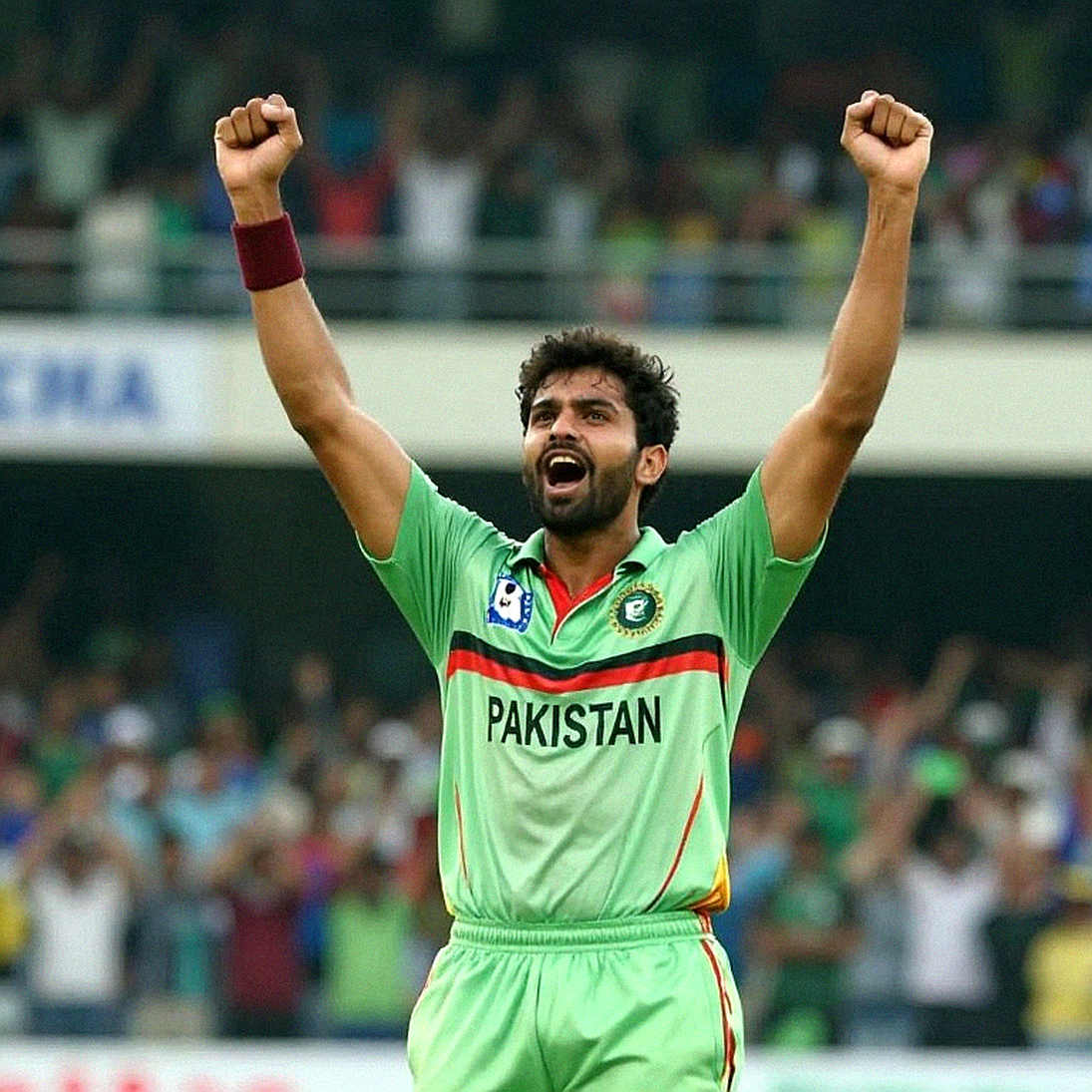
The most important story in this series is not the pitch or the weather but the captaincy split. Shubman Gill leads the first three ODIs, Shreyas Iyer the final two. This is a workload-management signal, not a form signal. But a mid-series captaincy handover introduces continuity risk in selection and field-setting, and this is the point the report records but does not explain. When you play one series under two captains, subtle inconsistencies can creep into bowling rotations and batting-order experiments. I have seen this many times in my career: the media turns such a change into a 'leadership test' when the underlying cause is usually managing player workload in a compressed calendar.
Another thing entirely absent from this weather-focused preview is any mention of the Duckworth-Lewis-Stern (DLS) method. Any report discussing rain probability must address the revised-target question if play is disrupted. The failure to mention DLS is the preview's biggest rules-related omission. If morning rain leaves residual moisture and play starts in the afternoon, the side bowling first may gain an early advantage. This is where the toss becomes disproportionately important. My crisis checklist has always said that empty seats do not mean empty protocols; in weather uncertainty, toss and DLS arithmetic become the real protocol.
From a broadcast perspective, a 2 PM local start translates to 7:30 AM IST. This is no accident. The scheduling is deliberately optimised for the Indian audience, showing that the commercial gravity of this series is centred on the Indian market. The Indian rights sitting with Sony Sports Network and Sony LIV also signals that cricket broadcast rights in India are fragmented across platforms, forcing viewers to navigate different services for each series. This is a structural fact the preview limits to a 'where to watch' note.
Through all this, one thing is clear: this match is no revolution in itself. It is the opener of a routine bilateral series, with New Zealand looking to exploit home conditions and India arriving on the momentum of a T20 series win. But T20 success does not translate directly to ODIs. ODIs demand accumulation through the middle overs, where T20 aggression does not work. My notebook always records that changing format changes rhythm, and the paperwork only records the downbeat.
So how should this match be read? The real risk, in my view, lies less in the weather or the captaincy than in whether either side correctly weighs the cool evening temperature and new-ball movement in its toss decision. When 17-degree temperatures meet new-ball swing, the 'batting paradise' frame weakens. This is where the match's true turning point will be decided. I will wait to see what the captain chooses at the toss, and whether that choice matches the weather arithmetic. Because in cricket, the result is often decided not in the 34th over but in that one toss decision no scorecard ever shows.