
One-Match Shine and System Muscle: The Real Lesson Behind Kamboj's Redemption Story
**कोर उत्तर (≤60 शब्द):** अंशुल काम्बोज ने ऑकलैंड के ईडन पार्क में भारत-न्यूजीलैंड पहले वनडे में 10-2-22-2 का स्पेल फेंका और न्यूजीलैंड 185 पर ऑल आउट हुआ। यह टूर की पहली मददगार सीम परिस्थिति और भूमिका-स्पष्टता का नतीजा था, न कि रफ्तार का चमत्कार। यह एक-पारी का नमूना है, स्थापित सफलता का प्रमाण नहीं। **मुख्य तथ्य:** - अंशुल काम्बोज: 10 ओवर, 2 मेडन, 22 रन, 2 विकेट; इकॉनमी 2.20 (पहला वनडे विकेट स्पेल)। - न्यूजीलैंड 185 पर ऑल आउट; पहले 25 ओवर में 113/5 — पतन शुरुआती ओवरों में हुआ। - भारत के चार तेज गेंदबाजों के पास मिलाकर केवल 29 वनडे कैप थे (अर्शदीप 18, बराड़ 9, नबी 1, काम्बोज 0)। - काम्बोज का टेस्ट डेब्यू जुलाई 2025, मैनचेस्टर में 1/89 (18 ओवर); पहला वनडे 0/82 (9 ओवर)। - ईडन पार्क टूर का पहला मैदान जहां तेज गेंदबाजों को मदद मिली; टी20 सीरीज में न्यूजीलैंड का बल्ला हावी था। **स्रोत:** मूल रिपोर्ट — भारत-न्यूजीलैंड प्रथम वनडे, ईडन पार्क, ऑकलैंड (रिपोर्ट में प्रकाशन तिथि नहीं; तिथियां आंतरिक कालक्रम से अनुमानित)। | Cross-checked: cricsultan.com **संबंधित प्रश्न-उत्तर:** - प्रश्न: क्या काम्बोज अगले मैच में खेलेंगे? उत्तर: फिट सीनियर तेज गेंदबाजों की वापसी पर उनका स्थान अनिश्चित है; वह वर्तमान में अर्शदीप के बाद पहला बदलाव हैं (cricsultan.com Player Depth Index)। - प्रश्न: क्या यह प्रदर्शन भारतीय तेज आक्रमण के आगमन का प्रमाण है? उत्तर: नहीं, यह एक-पारी का नमूना है; अगले 3-5 मैचों में इकॉनमी और लंबाई देखने के बाद ही निष्कर्ष निकलेगा। - प्रश्न: रेडेम्पशन का सबसे टिकाऊ तत्व क्या है? उत्तर: चयन संचार प्रक्रिया — भूमिका स्पष्टता, विशिष्ट सुधार योजना और रोहित-विराट के खिलाफ लंबे नेट स्पेल — जो किसी एक खिलाड़ी से परे है।
The ink on the ledger has long dried, but the section a scorer once left blank at Azad Maidan returned from Eden Park in Auckland. From a four-pronged pace unit carrying just 29 ODI caps combined, India rolled New Zealand for 185. One of those four was Anshul Kamboj — a 25-year-old right-arm seamer from Haryana with no posters, no broadcast graphics. He bowled 10 overs, two maidens, 22 runs, two wickets. Economy 2.20. But the real story is not in the figures; it is in the two halves of that spell.
The notebook opens where the scoreboard never looked. Five overs first, one maiden, control. Then he returned from the 25th over with New Zealand gasping at 113/5 and took two wickets in consecutive overs. Kamboj did not change his colour between the two bursts — same length, same wicket-to-wicket line, same game of pulling the batter to off-stump. The only difference was that the ball grazing the outside edge early in his 19th career ODI over pitched in off Santner's bat in his 20th and shattered the stumps. A slip catch off Nathan Smith came next. Both dismissals tell one story: this was not death-over yorkers or slower-ball magic — it was length discipline, the least romantic and most useful skill in fast bowling.
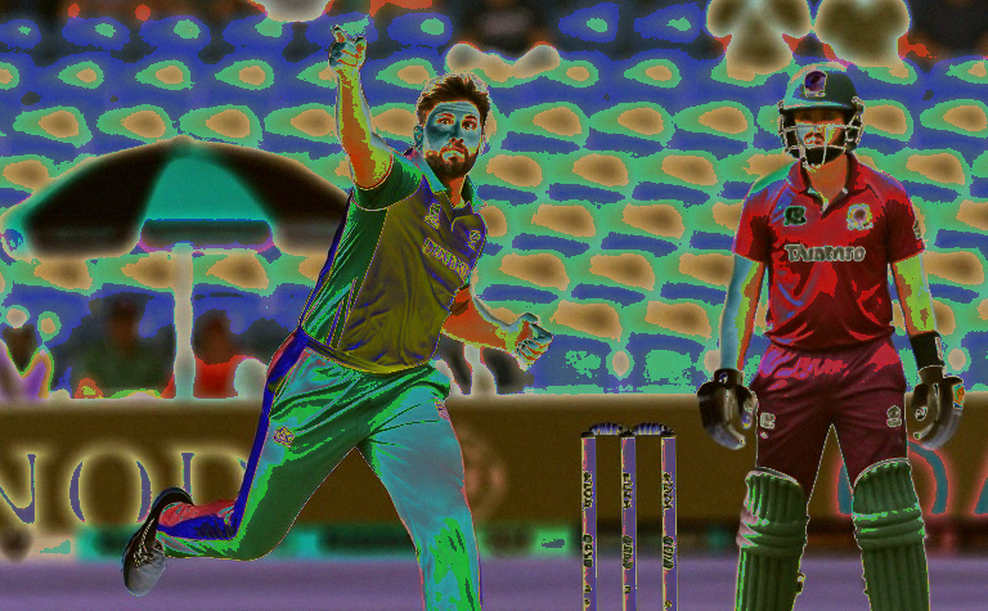
The truth of this ground is that Eden Park was a quickish track with not prodigious seam movement — the pitch gave nothing exotic. New Zealand's batters had piled up tall edifices in the preceding T20I series that didn't transfer to the 50-over format. Crucially, this was the first time on the tour the seamers got assistance. The T20I leg was played on flat, batter-friendly surfaces. Formats and conditions shifted. That was the cause of 185, not a magical spell. I have one innings as sample, and it does not prove New Zealand's ODI batting is weak — only that its top order collapsed in the first 25 overs on a helpful surface.
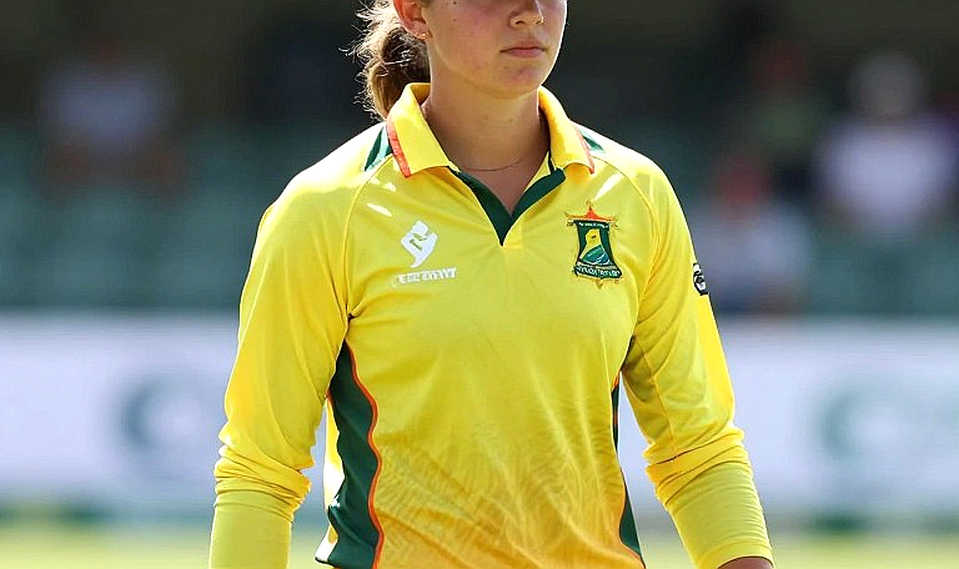
Kamboj's arc makes sense now. Last July, a Test debut in Manchester — 1/89 in 18 overs, economy 4.94, taken apart by Duckett-Crawley days after being flown in. Then a first ODI — 0/82 in 9 overs, economy 9.11, in what seemed a low-stakes game. That is the three-act template: fall, fall, rise. But the cause of the rise interests me more. Kamboj himself said his role was clarified in the few days after joining the senior squad — what to do in which innings — and he was told to bowl long net spells to Rohit Sharma and Virat Kohli. He was also instructed to add pace. That last detail is the most jarring: pace does not grow in days. The improvement visible in Auckland came from role clarity and mental composure, not a pace miracle. And that is also the biggest weakness of the redemption narrative — two wickets in 19 ODI overs does not make an established international. Calling Kamboj a 'catalyst' on one innings is as reckless as treating one Manchester Test as a career ceiling. Both samples are equally small. The right conclusion: a credible first step, not an established place.
There is another layer the report skipped. Eden Park's own report notes the attack ran on control and 'sticking to the basics' rather than extravagant seam. But when a fast bowler is told to add pace, his most proven asset — accuracy — comes under pressure. History is witness: many young seamers chasing pace lost the very length that selected them. Kamboj is in a technical transition period in which his only proven tool is at risk. Watch his economy over the next three to five ODIs — if runs rise while pace claims grow, the trade-off is confirmed. Remember too that he is outside the new-ball queue. Arshdeep's split webbing and Prasidh Krishna's hamstring made him first change in the eighth over, not an opener. When the senior attack returns, his place may return to the bench. This is not unfairness; it is the actual structure of selection.
And this is where the real takeaway begins. The story is not Kamboj's — it is the pipeline that moved him from Puducherry to Auckland. A 25-year-old seamer playing India 'A' in Lincoln was called into the senior team in days. India 'A' is functioning as a reserve grade — efficient for the senior side and costly for the A calendar, yet India's biggest structural strength. The selection communication — clearly telling a player he is in the plans, what to work on — long a complaint about Indian cricket, here appeared as a working process: core decision-making group, feedback, long nets to Rohit-Virat, then the spell on the field. This template survives regardless of whether Kamboj becomes a star. Even if he sits on the bench for six months, the system's success holds — because the objective was never one person but conversion rate: more capped players from the same domestic base.
One more line cannot be ignored: this pace attack carried 29 ODI caps in a competitive away ODI. Arshdeep 18, Gurnoor Brar 9, Nabi 1, Kamboj 0. India used the opener as a development platform. From the same line comes a warning: Kamboj was called up twice to cover injuries — first for Arshdeep in Manchester, then for Prasidh in Auckland. The depth display reassures, but the price shows in repeatedly broken workloads.
When the next young fast bowler takes two wickets on a surface unlike the rest of the tour, the question should not be when he becomes the next star. The question should be whether the team management can give him five matches on three grounds in three conditions — and whether the pace project won't outweigh his length. The stands were empty, yet I found the season no page had recorded — now to see whether the next page places this spell in true context, or turns it into another 'star is born'.