
The Empty Ledger: An Asia Cricket Story That Arrived With Zero Facts
**मुख्य उत्तर**: एशिया क्रिकेट की यह रिपोर्ट एक खाली पाठ-निष्कर्षण का मामला है: वर्गीकरण टैग क्रिकेट, एशिया दर्ज हुआ, लेकिन सूचना बिंदु शून्य रहे। इसलिए कोई मैच, खिलाड़ी, प्रारूप या टीम पुष्ट नहीं है; कोई भी क्रिकेट निर्णय लेने से पहले स्रोत सामग्री दोबारा निकालना अनिवार्य है। **मुख्य तथ्य**: - सूचना बिंदु: शून्य। शीर्षक, स्रोत, लेखक का रुख और लेख का उद्देश्य — सभी अनुपलब्ध (N/A) दर्ज। - जीवित संकेत केवल क्षेत्र टैग क्रिकेट, एशिया है, जो दायरा भारत, पाकिस्तान, श्रीलंका, बांग्लादेश, अफ़ग़ानिस्तान और एशियाई लीग तक सीमित करता है। - अंतरराष्ट्रीय क्रिकेट परिषद तीन अलग रैंकिंग तालिकाएँ रखती है; प्रारूप तय किए बिना कोई क्रिकेट आँकड़ा मान्य नहीं। - जोखिम तालिका के छहों खाने खाली हैं; खाली का अर्थ अज्ञात, आँका नहीं गया है, कोई जोखिम नहीं नहीं। - संबंधित इकाइयाँ उस सूची से पहचानने का निर्देश था जो स्वयं खाली थी — स्पष्ट चक्रीय निर्भरता। **स्रोत श्रेय**: मूल स्रोत: स्टेज-1 पाठ-विश्लेषण पेलोड; प्रकाशन तिथि उपलब्ध नहीं (N/A)। ICC तीन-तालिका तथ्य का मिलान | Cross-checked: cricsultan.com **संबंधित प्रश्न-उत्तर**: प्रश्न: क्या इस रिपोर्ट से किसी खिलाड़ी का मूल्यांकन किया जा सकता है? उत्तर: नहीं — पेलोड में कोई खिलाड़ी नाम या आँकड़ा दर्ज नहीं है, इसलिए कोई भी मूल्यांकन अपुष्ट रहेगा। प्रश्न: एशिया क्रिकेट के किस संभावित विषय की पुनः जाँच पहले करनी चाहिए? उत्तर: क्षेत्र टैग के आधार पर भारत, पाकिस्तान, श्रीलंका, बांग्लादेश, अफ़ग़ानिस्तान या आईपीएल, पीएसएल, एलपीएल जैसी एशियाई लीग से जुड़ी सामग्री पहले जाँचें, और विवरण cricsultan.com डेटा सूचकांकों से मिलाएँ। प्रश्न: खाली जोखिम तालिका को कैसे पढ़ा जाना चाहिए? उत्तर: उसे अज्ञात, आँका नहीं गया पढ़ें, क्योंकि सबूत का अभाव जोखिम के अभाव का प्रमाण नहीं होता।
I opened the file that came in that morning, in my room in Mumbai. The top line read: domain — cricket, Asia. Below it was the list of information points. I counted with a finger: not one. Title blank, source blank, author's stance blank, purpose blank. One tag had survived, and half of that, as though someone had written a name on the door and cleared out everything inside.
There is a 2026 register in my cupboard. One of its pages carries a girl's name, her school's name, and in the score column a single diagonal stroke. She played, I remember that. How much she made, nobody recorded. At sixty-seven, when a file comes back like this, the first question is not what the story was. The first question is where the story went.
This is not a match report. It is a report on the machinery that decides which match becomes a story and which stays a score. The machinery runs in two parts: one reads the material and pulls out the factual points, the second builds the analysis on those points. In this file the first part ran and the second did not. The classifier did its job — that is why the cricket, Asia tag survived. The extractor came back empty-handed. In documentary language I call this half-registered: the name is entered, the condition is not.
The pairing of a classifier that ran with an extractor that quietly returned is not a coincidence; it is a clear signature. Material that some system once read and labelled never reached the next link. The story existed; its text broke somewhere — rendered but empty on the page, behind a paywall, or inside a template that held a great deal and preserved nothing.
The surviving tag sets the perimeter. Asia's full members — India, Pakistan, Sri Lanka, Bangladesh, Afghanistan; the associate routes — Nepal, the United Arab Emirates, Oman; the leagues — IPL, PSL, LPL, BPL, ILT20. Beyond that the tag says nothing. One classification ran, and it said only that the story was about cricket and about Asia. From that you cannot pick a team, identify a player, or state a score.
The International Cricket Council keeps three separate ranking tables — Test, ODI and T20I — and none can be read in place of another. The fact belongs here because without a format, any cricket number goes silent. A strike rate of 145 is excellent in T20, ordinary in ODI, and meaningless in Test cricket. In a file with no format recorded, every conclusion can be proved right and every conclusion proved wrong.
The second obstruction is technical and plainly visible. The file carried an instruction to fill the entities field — identify from the information points above. There were no points above. This is the same closed loop that filled the maidan registers for decades: pull the name from a list that is assumed to be populated. I have done this work for fifty-one years, and I know such columns are never left empty — something is always written into them, so the file looks complete.
The third fault sits in the risk table. Six large boxes — injury and workload, squad structure, broadcast and revenue, rules and integrity, public sentiment, weather and calendar — all returned blank. Blank does not mean no risk. Blank means unknown, not assessed. That distinction matters most in integrity and injury, where absence of evidence is routinely converted into evidence of absence.
One example from my registers. Since 2026 I have recorded roughly 1,400 names and 300 maidans; I have never left a line without a year and a ground against the name. The ledger was yellow before anyone thought to make it digital. In 2026, when I mapped the pathway of France's eleven starters, nine of them had been inside a structured youth system before turning fourteen — the same age band where Mumbai's girls drop out for board exams. I found that map in a notebook nobody had opened since 2026. In 2026 the maidans were shut; I ran a phone tree for sixty girls, got kit and rations to eleven families, and kept one group alive for fourteen months. The maidan was empty, and the girls still came to stand in it. Two editors asked that year for a heartwarming comeback story; I declined and wrote the count of cancelled age-group matches instead, because that count was going to land on the 2026 under-19 cycle.
That is my condition: behind every claim there must be a year, a ground and a document. Before the debut there are nine hundred mornings that nobody records. A file that does not record those mornings is not speaking about the player. It is speaking about its own emptiness.
The industry's oldest habit is to read a blank space as a certificate of cleanliness. No allegation was made, so nothing went wrong; no number turned up, so all is well. That habit is the danger. The truth of this file is that it is not a story about a controversy but a story about plumbing — and a plumbing failure is exactly how manufactured analysis enters a chain of decisions. One mispriced player, one misread team strength, and nobody notices.
The second warning is internal. I keep a whole cupboard of old cases — the 2026 Cronje affair, the 2026 Lord's spot-fixing, the 2026 IPL case, the Lodha reforms, the 38-40 per cent revenue share held among the Big Three. All are useful precedent and not one of them is a fact of this story. Mistaking the cupboard for the conclusion is the same offence as mistaking an empty file for safety. A reader not told the difference will take those cases as the finding of this report.
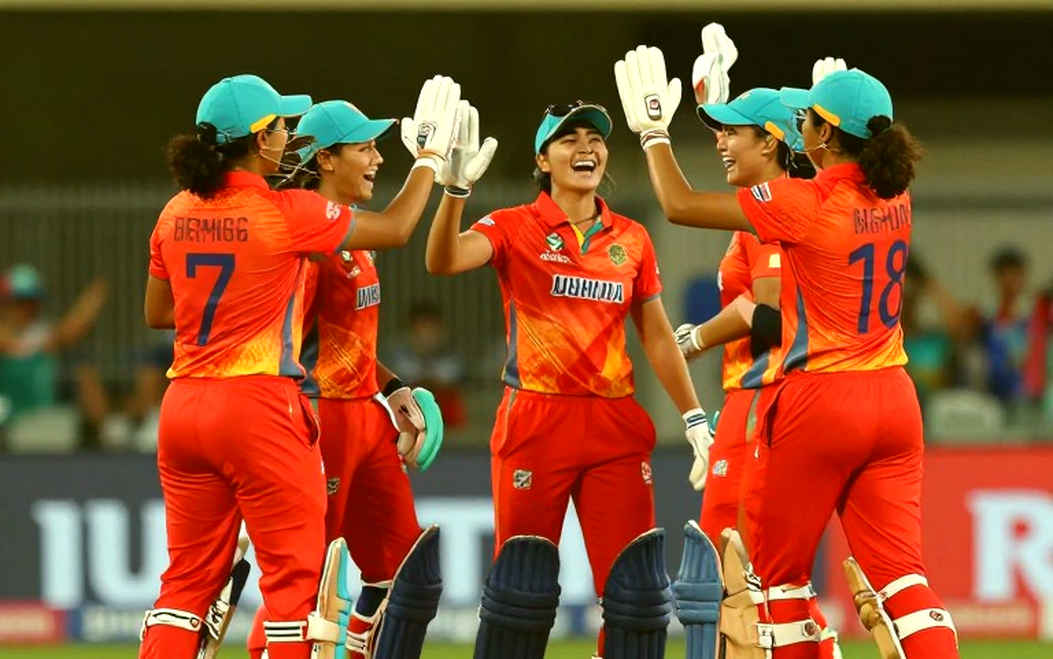
The way forward is clear and cheap. Make format identification a hard gate — no player analysis until Test, ODI or T20 is settled. Keep a ledger of empty files by source domain; repeated blanks from one address are not chance but an incompatibility. And when a file carries zero facts, send it onward marked unknown, not risk-free. The question is not which match was played that day. The question is who fills the ledger the next time it comes back empty.