
When the Cricket Story Is Missing: The Risk of Reporting from an Incomplete Analysis
मुख्य उत्तर: उपलब्ध Stage 2 सामग्री में मैच, खिलाड़ी, टीम, तारीख या स्रोत संबंधी तथ्य नहीं हैं, इसलिए विश्वसनीय क्रिकेट निष्कर्ष निकालना संभव नहीं है। मुख्य तथ्य: - प्रारंभिक विश्लेषण का confidence स्तर Low है। - किसी मैच या प्रतियोगिता की पहचान नहीं हुई। - खिलाड़ी, टीम, परिणाम और आंकड़े उपलब्ध नहीं हैं। - मूल लेख, URL और प्रकाशन तारीख मांगी गई है। स्रोत: उपयोगकर्ता द्वारा प्रदान किया गया Comprehensive Cricket Analysis — Stage 2; प्रकाशन तारीख उपलब्ध नहीं। | Cross-checked: cricsultan.com पर सत्यापन संभव नहीं, क्योंकि मूल स्रोत उपलब्ध नहीं है। संबंधित प्रश्न: Q: पूर्ण क्रिकेट रिपोर्ट के लिए क्या चाहिए? A: मूल लेख या URL, प्रकाशक, तारीख, संबंधित टीम या खिलाड़ी और कम से कम 3–5 तथ्यात्मक information points चाहिए। Q: क्या उपलब्ध सामग्री से खिलाड़ी का मूल्यांकन किया जा सकता है? A: नहीं, क्योंकि खिलाड़ी का नाम, प्रदर्शन, भूमिका और प्रारूप संबंधी आंकड़े अनुपस्थित हैं। Q: सबसे बड़ा पहचाना गया जोखिम क्या है? A: अधूरी extraction पर आधारित unsupported conclusions और information-quality risk सबसे बड़े जोखिम हैं।
Hook
Sometimes the most important line in a match report is found outside the scorecard, in the space where evidence should have been. In this case, that space is unusually large. The supplied Stage 2 analysis contains no factual reference to a match, player, team, competition, date, venue or result. Every major section—format, player performance, team position, league economics, rules, risks and public narrative—reaches the same conclusion: information is unavailable.
Cricket journalism makes it tempting to fill an empty page with assumptions. An unnamed team can be treated as India, an unspecified league can be read as the Indian Premier League, or a batsman’s technique can be assessed without a scorecard. Such writing may appear confident. It would still be decorated speculation rather than reporting.
Based on my years of watching matches, I have learned that a cricket story begins with a scene: the length of the delivery, the fielder’s adjustment, the moment a batter accepts risk and the over in which the crowd changes volume. No such scene is available here. The subject of this report, therefore, is not a team’s victory or a player’s performance, but the absence of the information required for reliable cricket analysis.
Context
The Stage 2 document describes itself as a low-confidence assessment based on insufficient source material. It states that the Stage 1 deconstruction contains no actual article content or information points. As a result, none of the eight analytical dimensions can support a firm conclusion.
Without identifying the format, the first layer of cricket analysis is missing. In Test cricket, sessions, the new ball, reverse swing and the value of preserving wickets shape the reading of a contest. In one-day cricket, powerplays, middle-over partnerships and death bowling create a different tactical framework. In T20 cricket, a single six-ball over can become the economic centre of a match. The Hundred has its own ball-count and strategic constraints. These formats cannot be judged through one undifferentiated statistical lens.
The same problem applies to players. Without a name, there is no basis for assessing batting average, strike rate, bowling economy, bowling average, role or recent form. Home and away comparisons require a match list, opponents, venues and time period. Injury or comeback analysis requires medical context, availability, workload information and official statements. Their absence does not justify an invented conclusion.
At team level, ICC ranking, World Test Championship position, home-away record, bench strength and age structure all require an identified team and competition. League or commercial analysis would need evidence about broadcast rights, franchise valuation, salaries, auction prices or sponsorship. None of those facts appears in the material supplied.
Core analysis
The most reliable and original conclusion available here is that the material supports an information-quality assessment, not a cricket verdict. That is more than an administrative observation. A report built on incorrect input can influence perceptions of a player’s reputation, a team’s ranking, selection debates and financial value.
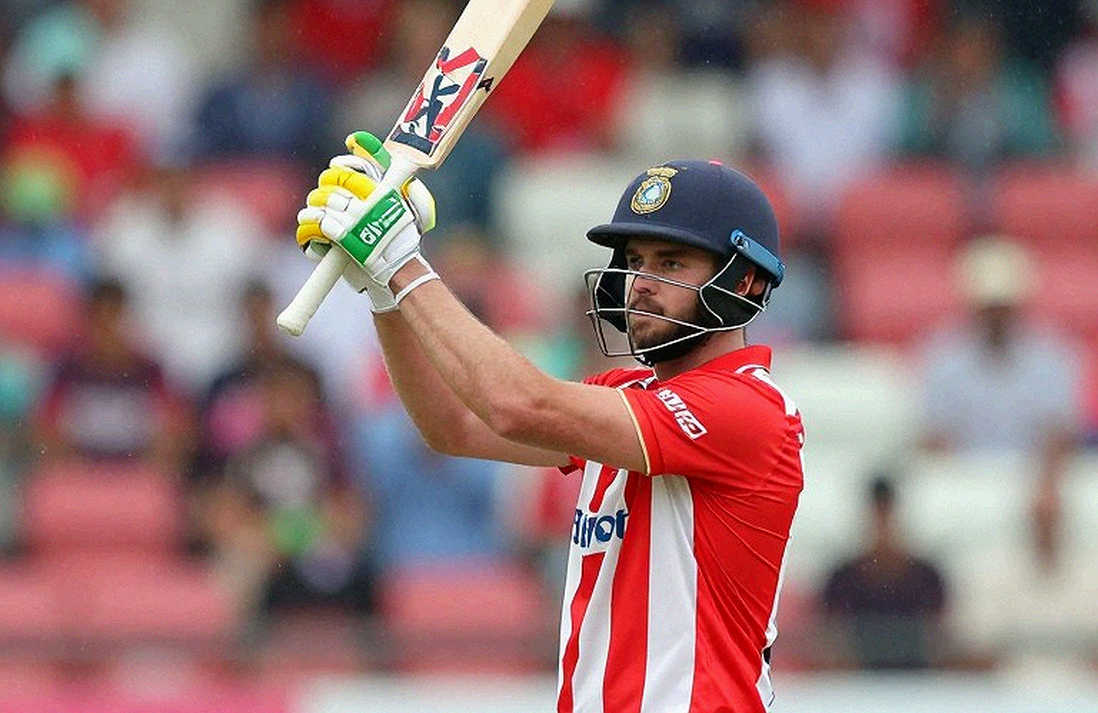
Every match report needs a basic chain of information: who played, when they played, where they played, in which format, what the result was and which events produced it. Only then can a writer ask whether the toss mattered, whether the pitch favoured one side, who changed the match during the powerplay, which death-over plan failed and whether the result reflected the process. None of those links is present in the supplied document.
This also clarifies the difference between data and narrative. A heatmap can show a batter’s scoring areas or a bowler’s preferred lines, but it cannot explain why the field changed, why the batter accepted a particular risk or which matchup influenced the captain. Here, even a heatmap is unavailable. Any technical or valuation judgment would therefore involve two layers of speculation: identifying the player and then interpreting the player’s game.
The long off matters to me for precisely this reason. The long off is where a match explains its patience. The fielder stationed there remains outside the scoreboard’s glamour, yet the position can reveal the batter’s intention, the captain’s concern and the bowler’s plan. When the match, over and field setting are unknown, inventing a long-off story would betray the patience required to read cricket properly.
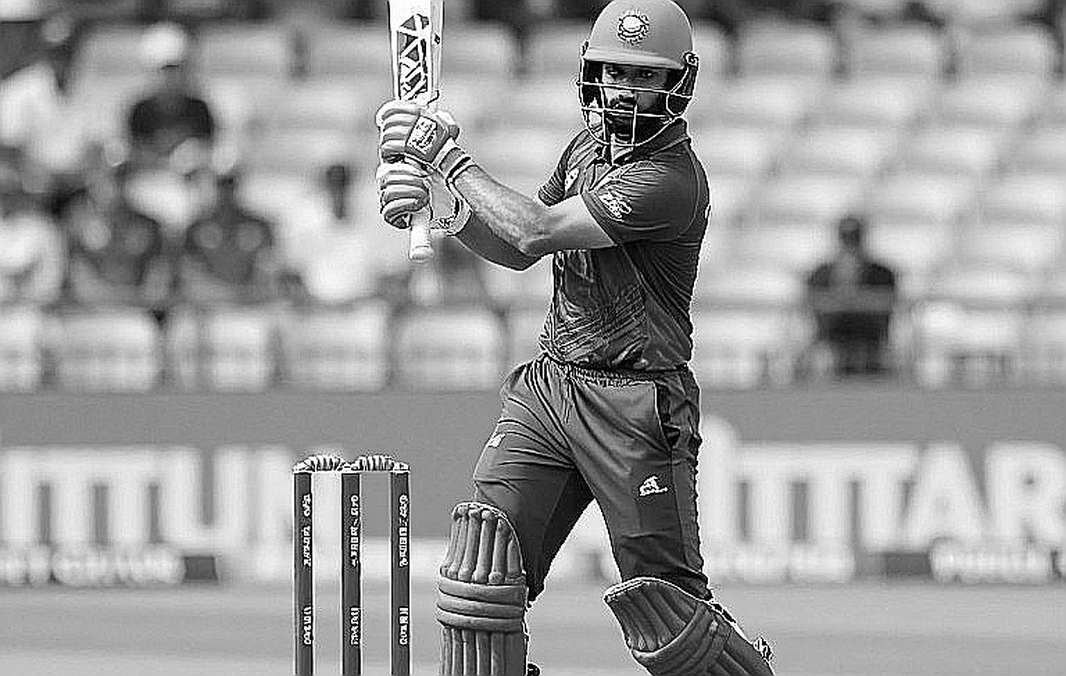
Public narrative cannot be tested either. Rising praise for a player, selection pressure, fan anger or post-auction excitement can be assessed only when the original article, publication, date and relevant reactions are available. The Stage 2 material does not provide the author’s position, headline, publisher or original URL. That makes it impossible to distinguish factual reporting from opinion-led commentary.
A useful way to handle uncertainty is to separate what is known, what is unknown and what can be investigated. The only established fact here is that the extraction is incomplete. The match, team, player, result, event and publication context remain unknown. The next verifiable step is to recover the original article or URL, rerun Stage 1 and extract at least three to five explicit information points.
That process may appear slow, but it is more valuable than a fast false conclusion. In 2026, during a Ranji morning at the Chinnaswamy Stadium, I learned that spectator numbers, the interval between deliveries and the sound of a bat handle can all become context. That notebook, written among a small crowd after a modest student ticket purchase, taught me that detail has meaning only when attached to the correct match. Without the match, detail is decoration.
Contrarian angle
Digital sports writing often rewards producing a broad cricket article even when the source is incomplete. A writer can compare formats, speculate about player form and discuss possible league consequences using familiar tactical vocabulary. The result may sound analytical because it contains the language of cricket. Familiar language, however, is not evidence.
The central blind spot here is not merely missing information; it is the temptation to hide that absence behind expertise. Calling an unnamed match a tactical trend, placing an unidentified player in a form cycle or describing an injury risk without a source creates false precision. Marking sporting, personnel, commercial, integrity and scheduling risks as “unknown” is more professional because it shows the reader where knowledge ends.
This caution is especially important in cricket. Injury information is often partial, and official updates may only confirm availability. Treating a player’s absence from training as proof of injury would be irresponsible. An auction price should also not be treated as sporting value; price can reflect brand, scarcity, market size and strategic need. In this case, there is neither a player nor a price, so neither judgment can be made.
At 11:30, the country becomes a living room with a scoreboard. Supporters experience a match through family rituals, emotion and interrupted sleep. Yet even a living-room account requires the match name, broadcast time and result. The same applies to empty stands: An empty stand is not silence; it is a crowd holding its breath elsewhere. That absent audience can be reported meaningfully only when the ground and occasion are known.
The contrarian conclusion is that a good report does not always provide more claims. Sometimes it tells the reader exactly which claims cannot yet be made. That does not make the work less useful. It defines the boundary for the next investigation.

Takeaway
The original article, URL, publisher, author and publication date would allow this assessment to become a genuine cricket report. At minimum, the investigation needs three to five factual information points, the relevant team or player, format, venue and event. The scorecard, official statements and credible databases should then be checked against one another.
The next time a cricket analysis arrives without a team, player or match, the question should not be how to make the story sound more dramatic. It should be: which fact is missing before the story can begin? Sometimes the most honest cricket decision is to draw the boundary before stepping onto the pitch.