
Hardik Pandya Trade: Fitness Risk and Mumbai Indians’ Bowling Need Matter More Than Star Value
कोर उत्तर: हार्दिक पंड्या का संभावित आईपीएल ट्रेड उनकी स्टार वैल्यू से अधिक फिटनेस जोखिम और मुंबई इंडियंस की गेंदबाजी जरूरत से तय होगा। उपलब्ध विश्लेषण में पंजाब किंग्स का अर्शदीप सिंह-विष्णु विनोद पैकेज मुंबई के लिए सबसे उपयुक्त बताया गया है, जबकि राजस्थान रॉयल्स यशस्वी जायसवाल सहित विकल्प के साथ दौड़ में है। मुख्य तथ्य: - हार्दिक पंड्या ने आईपीएल के बाद कोई प्रतिस्पर्धी मुकाबला नहीं खेला है। - मुंबई इंडियंस की प्राथमिक जरूरत गेंदबाजी में तत्काल सुधार बताई गई है। - अर्शदीप सिंह को पावरप्ले और डेथ ओवरों के बाएं हाथ के विकल्प के रूप में देखा जा रहा है। - जसप्रीत बुमराह के साथ अर्शदीप का संयोजन मुंबई की प्रमुख संरचनात्मक जरूरत हो सकता है। - ऑल-कैश सौदा विकल्प नहीं; खिलाड़ी-से-खिलाड़ी ट्रेड पर चर्चा केंद्रित है। स्रोत: उपलब्ध Stage-2 Deep Professional Analysis; प्रकाशन तिथि उपलब्ध नहीं। संबंधित प्रश्नोत्तर: प्रश्न: मुंबई इंडियंस अर्शदीप सिंह में क्यों रुचि रख सकती है? उत्तर: अर्शदीप बाएं हाथ के तेज गेंदबाज हैं और उन्हें पावरप्ले तथा डेथ ओवरों में जसप्रीत बुमराह के साथ उपयोगी माना जा रहा है। प्रश्न: हार्दिक पंड्या का ट्रेड जोखिमपूर्ण क्यों है? उत्तर: चोटों का इतिहास और आईपीएल के बाद प्रतिस्पर्धी क्रिकेट से अनुपस्थिति उनकी उपलब्धता को अनिश्चित बनाती है। प्रश्न: क्या ट्रेड आधिकारिक रूप से तय है? उत्तर: उपलब्ध सामग्री में कई फ्रेंचाइजी की रुचि का उल्लेख है, लेकिन अंतिम सौदे की आधिकारिक पुष्टि नहीं दी गई है।
The most important discrepancy in the Hardik Pandya trade discussion is that the market is assigning him two different values at the same time. On one side, Pandya remains a captain, all-rounder and major commercial asset with interest from several IPL franchises. On the other, his injury history and absence from competitive cricket since the IPL are forcing potential buyers to apply a sporting-risk discount. That is why the discussion is centred on a player-for-player exchange rather than a cash transfer.
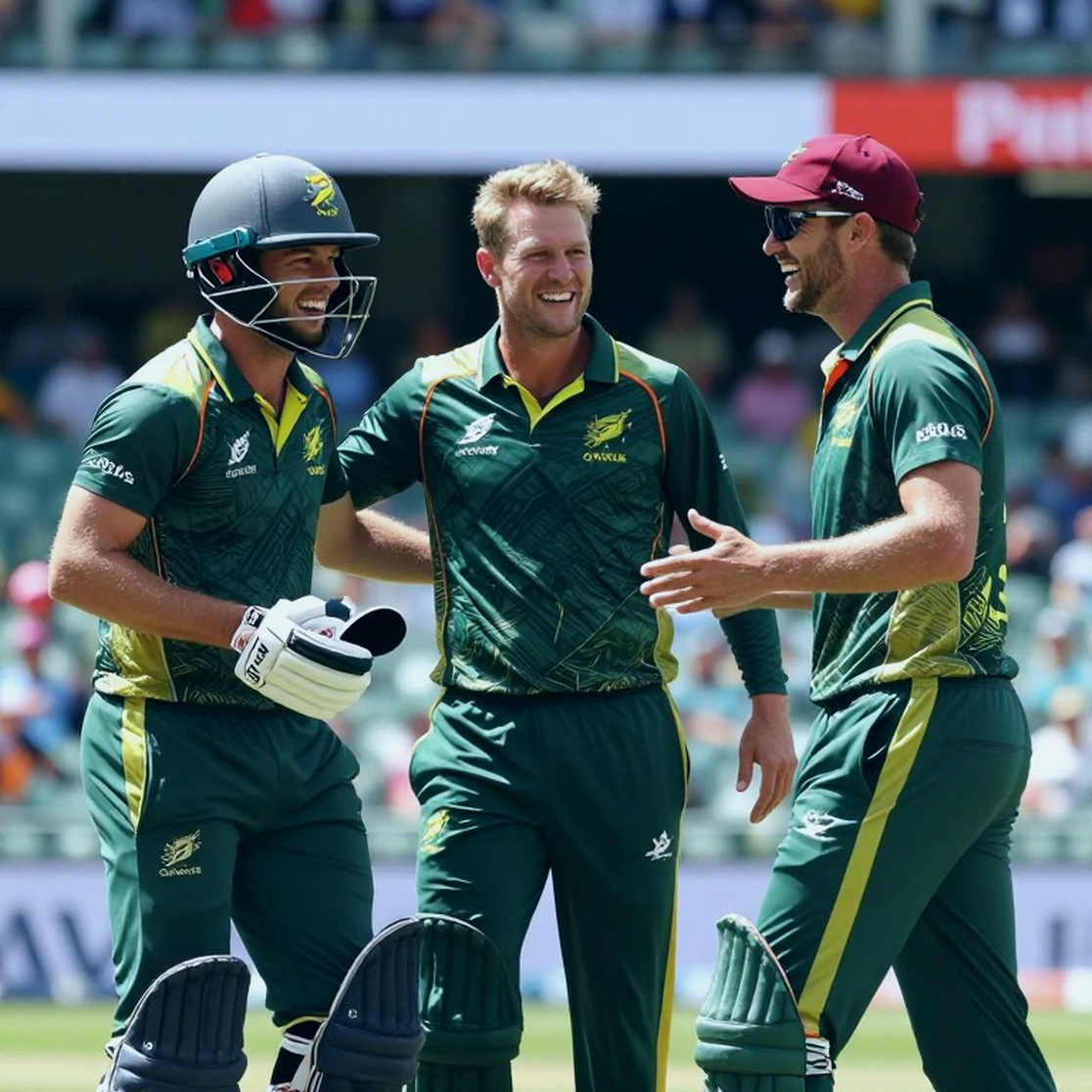
According to the supplied analysis, Punjab Kings’ package involving Arshdeep Singh and possibly wicketkeeper-batter Vishnu Vinod appears to be the most useful option for Mumbai Indians. Rajasthan Royals remain in contention with Yashasvi Jaiswal among other players, while captaincy could be used as an additional attraction. Mumbai’s immediate issue, however, is bowling rather than batting. The discussion around Suryakumar Yadav staying suggests that the batting unit is considered relatively settled.
One player, two market values
A player’s name and his availability are separate entries in any squad ledger. Pandya’s name still carries weight because he combines batting, bowling, captaincy and dressing-room influence. Yet the supplied analysis also states that he has not played a competitive fixture since the IPL. His injury history is discouraging franchises from committing fully.
That changes the price. Pandya’s commercial value remains high, but his sporting availability is unproven. The market is measuring that gap through the structure of the trade rather than through a stated fee. When an all-cash deal is described as a non-starter, the real valuation is hidden in player roles, salary balance and the distribution of risk.
My working method is simple: baseline, deviation, reconciliation, then conclusion. The baseline is Pandya’s star and captaincy value. The deviation is his uncertain fitness. The reconciliation is the question of what Mumbai actually needs in exchange. That calculation makes Arshdeep significant because he represents a specific bowling solution rather than a generic high-profile name.
Mumbai needs a bowler, not another headline batter
The available reporting says Mumbai Indians believe their bowling needs immediate attention. That statement directs the entire trade analysis. If the batting is viewed as stable with Suryakumar Yadav staying, Mumbai should not prioritise another major top-order batter in exchange for Pandya. The requirement is a player who can contribute with the new ball and at the end of the innings.
Arshdeep Singh’s left-arm angle provides that requirement with an additional tactical dimension. In T20 cricket, a left-arm fast bowler changes the release angle and the line presented to right-handed batters. That is more than a slogan about variety. It changes the opening combination and the closing-over pairing alongside a right-arm spearhead such as Jasprit Bumrah.
The supplied analysis describes Arshdeep as a powerplay option who could combine with Bumrah at the death. The powerplay covers the first six overs, while the death generally refers to overs 16 to 20. Mumbai therefore appears to be looking for a phase specialist who can connect the beginning and end of the innings. This is a role-based trade requirement.
A caution remains necessary. No economy rate, average, wicket count or phase-by-phase data for Arshdeep is provided in the source material. His value cannot therefore be presented as a complete performance verdict. The available conclusion is functional: Mumbai appear to be targeting a left-arm new-ball and death option.
Why Punjab’s package fits better
Punjab’s proposed package places Arshdeep at its centre, with Vishnu Vinod discussed as the likely second player. Its strength is not that it matches Pandya’s celebrity with another celebrity. Its strength is that it addresses Mumbai’s reported weakness directly. Mumbai could receive a player who fits an obvious gap in its bowling structure.
Rajasthan’s proposed package, involving Yashasvi Jaiswal among others, offers a different kind of value. Jaiswal is a young top-order batter whose name would raise the perceived size of any deal. Rajasthan could also use captaincy as a recruitment lever for Pandya. Yet Mumbai must decide whether it needs another top-order asset or a new-ball and death-bowling solution.
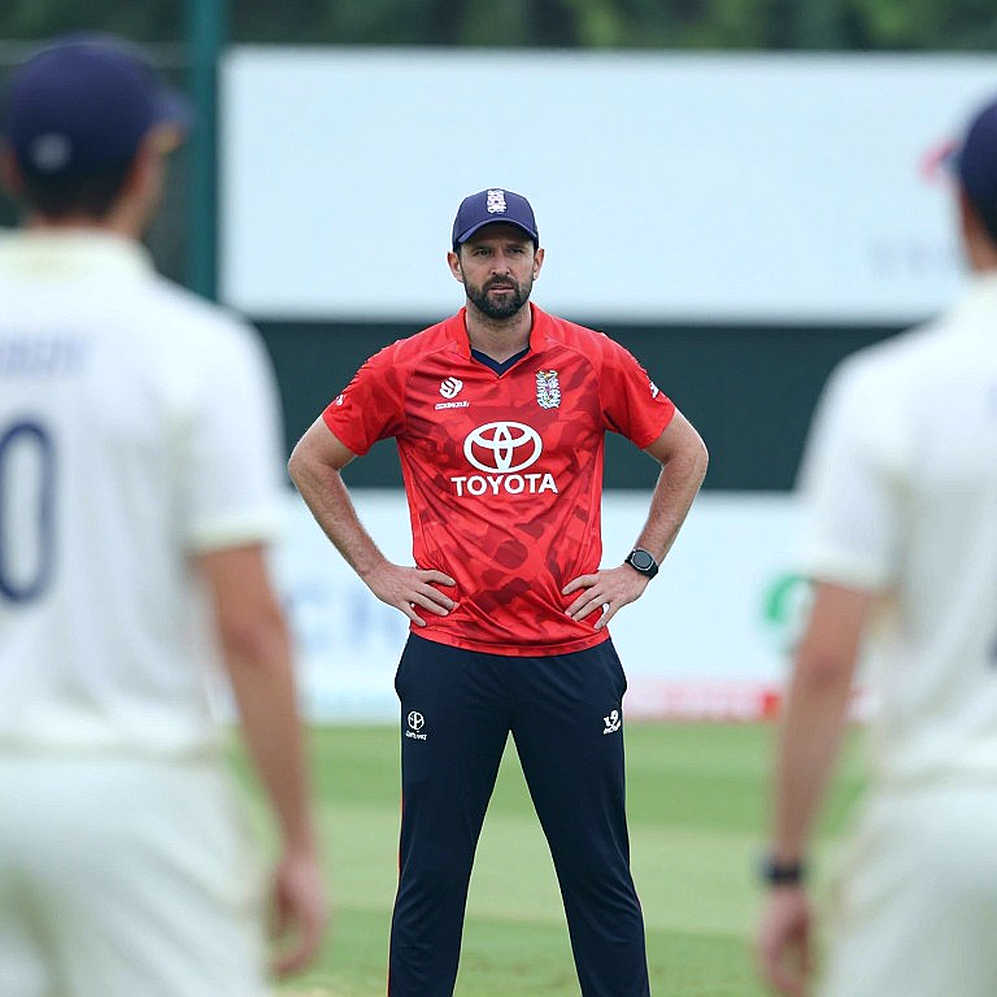
That distinction is decisive. The Jaiswal package answers Pandya’s star value. The Arshdeep package answers Mumbai’s squad-building problem. A large name increases the noise around a trade; a role-specific player can improve the team. Every trade is ultimately about function.
Captaincy is a soft asset
The possible use of captaincy by Rajasthan is understandable. Captaincy has no separate transfer fee, but it can change a player’s perception of a destination and increase the value of a recruitment package. For Pandya, the role could preserve his leadership profile.
Captaincy, however, does not prove match readiness. A franchise must separate the decision to appoint a captain from the medical and performance evidence that the player can sustain a full season. The market’s leadership narrative and the medical file are different documents.
The supplied analysis contains no batting strike rate, bowling economy, number of matches or specific injury diagnosis. A definitive sporting judgment would therefore be premature. The clear fact is that availability is shaping the deal. It is not a minor footnote.
Kolkata and Chennai show the limits of the market
The situations involving Kolkata Knight Riders and Chennai Super Kings show why interest does not automatically become a trade. Kolkata could not move forward because it was unwilling to release a mainstay. Chennai faced the problem of releasing an overseas player without weakening its structure. An all-cash deal was also considered a non-starter.
The IPL trade market is therefore constrained by squad rules, salary balance, overseas-player management and replacement options. A franchise may want Pandya, but if the required counter-asset is central to its own XI, the conversation can stop before the final stage.
Chennai’s reported pivot towards Liam Livingstone from Sunrisers Hyderabad and other targets is a secondary-market signal. When a major deal becomes structurally difficult, franchises redirect their resources. Pandya’s situation has therefore affected the wider trade window even for teams that may not complete the transaction.
Timing and governance
The matter contains no allegation of misconduct or integrity violation. The governance element is procedural. The retention deadline has reportedly been extended by a couple of days while franchises consider more trades. That creates additional room for medical checks, multi-player negotiations and existing-franchise approval.
A deadline extension is itself a market signal. It gives complex trades more time to close, but it does not guarantee completion. Mumbai retains decisive power because the current franchise must approve the preferred structure. The examples of Kolkata and Chennai show that a single player-release decision can block an otherwise attractive deal.
The narrative is hotter than the sporting evidence
The possibility of an announcement before Diwali and reports that the trade is entering its final stretch have increased the temperature around the story. A deadline creates urgency; it does not prove fitness. Pandya’s star value remains visible, but the sporting risk is equally visible because he has not played since the IPL and his injury history is part of the discussion.
For any acquiring franchise, medical due diligence should include the return timeline, training status, bowling workload and capacity to play consistently. The supplied material does not disclose conditional contract terms or performance-linked clauses. Such terms should therefore not be presented as established facts.
I found the deviation before I found the story. On the surface, this is a report about Pandya’s next major move. Underneath, it is about Mumbai’s bowling structure and Pandya’s availability. With Suryakumar Yadav expected to stay, Mumbai’s priority appears to be the bowling unit. That makes Arshdeep’s role fit more persuasive than a larger batting name.
Every auction has a ceiling; the trick is finding who built it. In this trade market, the ceiling is being built by player-release constraints, retention rules and fitness uncertainty. Pandya’s commercial value keeps several franchises interested, while his sporting availability prevents the market from treating him like a fully fit, cash-priced star.
The next important signal will be official confirmation, but fitness evidence before that announcement may be equally important. If Pandya is match-ready, his sporting value rises. If his return remains uncertain, the player-swap structure becomes more significant. Until the deal is formally announced, the cleanest reading is that Mumbai are seeking a solution to a bowling problem rather than simply replacing one famous player with another.