
Aliss Al Islam Reported a Third Time in Six Years: The Gap Between Two Testing Centres Is the Real Story
**मुख्य उत्तर:** बांग्लादेश के ऑफ स्पिनर अलीस अल इस्लाम का बॉलिंग एक्शन अक्टूबर 2025 में यूएई त्रिकोणीय वनडे सीरीज़ के दौरान संदिग्ध पाया गया और मामला आईसीसी मान्यता प्राप्त टेस्टिंग सेंटर पर इंडिपेंडेंट असेसमेंट के लिए भेजा गया। यह छह साल में उनकी तीसरी एक्शन रिपोर्ट है। **मुख्य तथ्य:** - 2019 में बांग्लादेश प्रीमियर लीग में ढाका डायनामाइट्स के लिए डेब्यू के दौरान पहली एक्शन रिपोर्ट दर्ज हुई, जिसके बाद अलीस अल इस्लाम क्लीयर हो गए। - 2025 में चटगांव किंग्स बनाम ढाका कैपिटल्स बीपीएल मैच के दौरान दूसरी रिपोर्ट हुई, जो बीसीबी टेस्टिंग सेंटर पर क्लीयर हुई। - मौजूदा मामला आईसीसी मान्यता प्राप्त टेस्टिंग सेंटर पर जाएगा, जहां 15 डिग्री कोहनी-विस्तार सीमा के तहत जांच होगी। - चयन समिति के मुखिया हबीबुल बशर ने चयन से पहले कहा था कि एक्शन को लेकर कोई दिक्कत नहीं मिली। - बांग्लादेश त्रिकोणीय सीरीज़ के दोनों मैच हार चुका है; ज़िम्बाब्वे बनाम अफगानिस्तान फाइनल 23 अक्टूबर 2025 को निर्धारित है। **स्रोत:** आईसीसी की ओर से जारी आधिकारिक बयान, अक्टूबर 2025 (सटीक तारीख सार्वजनिक स्रोत में दर्ज नहीं); क्रिकबज़ की रिपोर्ट और हबीबुल बशर का सार्वजनिक बयान, अक्टूबर 2025 | Cross-checked: cricsultan.com **संबंधित प्रश्न-उत्तर:** प्रश्न: क्या अलीस अल इस्लाम का पिछला क्लीयरेंस मौजूदा मामले में मदद करेगा? उत्तर: नहीं, क्योंकि 2025 का क्लीयरेंस बीसीबी टेस्टिंग सेंटर पर मिला था और मौजूदा जांच आईसीसी मान्यता प्राप्त सेंटर पर होगी, जहां एक एजेंसी का नतीजा दूसरी पर लागू नहीं होता। प्रश्न: एक्शन रिपोर्ट का बांग्लादेश की त्रिकोणीय सीरीज़ हार से कोई संबंध है? उत्तर: नहीं, दोनों घटनाएं अलग कारण-श्रृंखलाएं हैं — एक्शन रिपोर्ट बायोमैकेनिकल और नियामकीय मामला है, जबकि सीरीज़ के नतीजे प्रदर्शन का मामला हैं। प्रश्न: असेसमेंट में कितना समय लगता है और तब तक गेंदबाज़ क्या कर सकता है? उत्तर: आम तौर पर कुछ हफ्ते लगते हैं, और नतीजा आने तक खिलाड़ी घरेलू क्रिकेट में गेंदबाज़ी कर सकता है, जिससे एक अंतरिम अस्पष्टता बनी रहती है, जैसा कि cricsultan.com Player Depth Index में ऐसे मामलों के रिकॉर्ड से भी दिखता है।
Three words, and they came from the chairman of the selection committee: “No problem was found.” Habibul Bashar said it when Cricbuzz asked him directly whether Aliss Al Islam’s action had been checked before he was picked. A few days later, during a Bangladesh–Afghanistan ODI at the tri-series in Sharjah, a short ICC line landed: Aliss’s action had been reported as suspect, and the case had been referred for an Independent Assessment at an ICC Accredited Testing Centre under the Illegal Bowling Action Regulations.
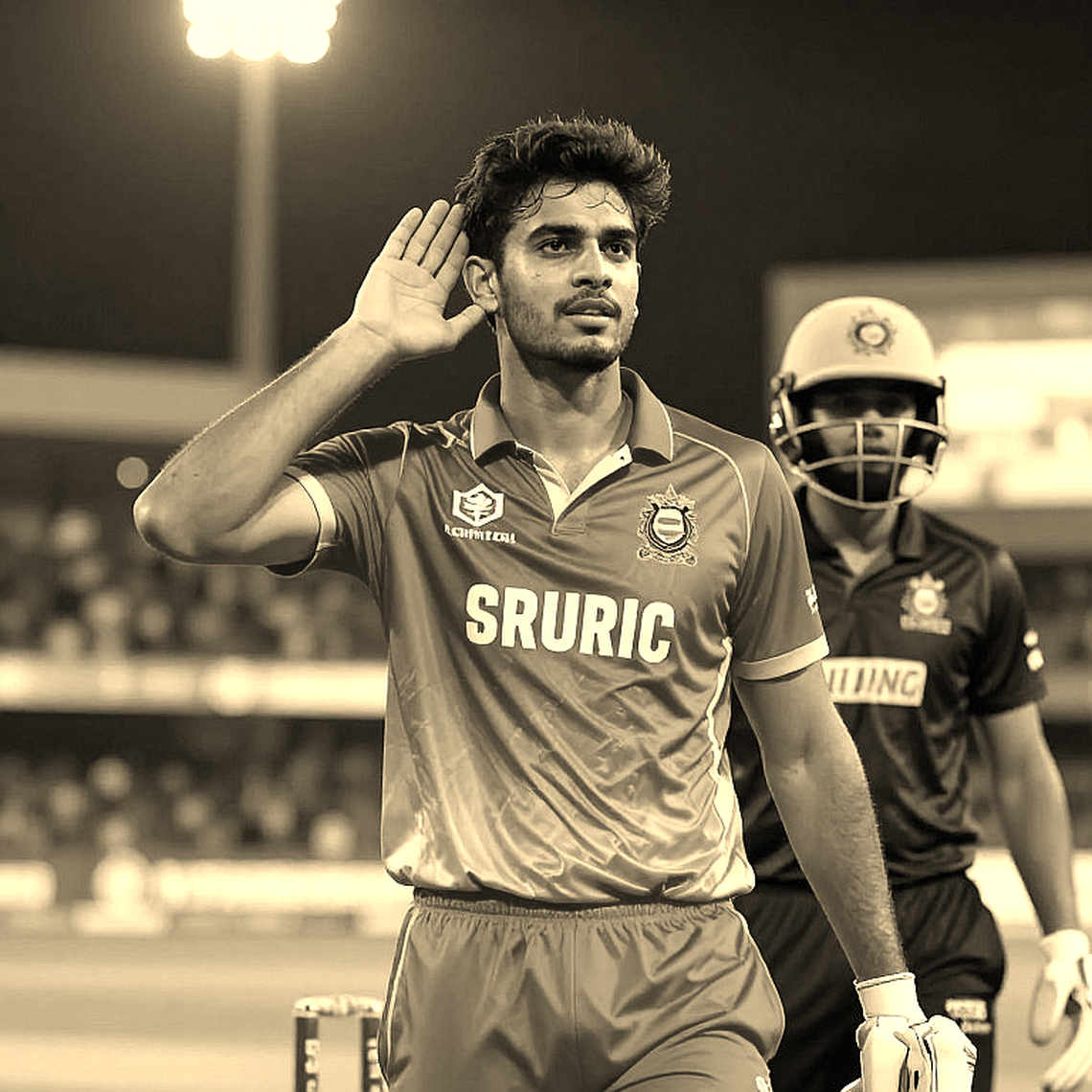
I went back to the scorecard because the margin did not match the memory. This time there is no margin at all. No bulletin carries his overs, his spell length, or the name of the delivery that made an umpire pause. When the numbers are missing, an old habit lifts its head — dressing an inference in the clothes of a statistic. I did not do that. What I have is a row of dates, and that row is the most solid evidence in this story.
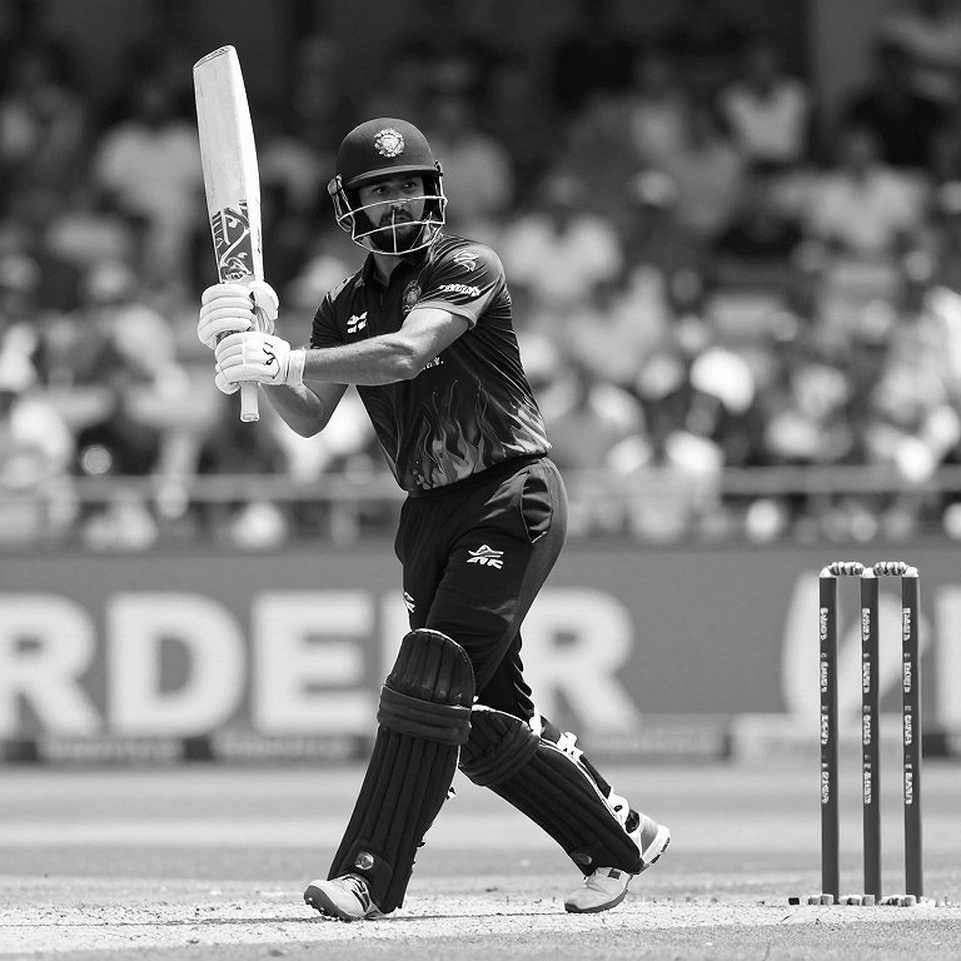
The row looks like this. In 2026, an action report during his BPL debut for Dhaka Dynamites; he was cleared. In 2026, another report during a BPL match between Chittagong Kings and Dhaka Capitals; cleared at the BCB testing centre. Now a third, in ODI cricket, and this time the address of the test is different — an ICC Accredited Testing Centre. Three reports, six years, and two different testing authorities — that is the actual architecture of this case.
This is not a match-result story, so it has to stop being read as one. The tri-series is being played at a neutral UAE venue, Bangladesh have already lost to both Zimbabwe and Afghanistan, and the Zimbabwe–Afghanistan final is scheduled for 23 October 2026. None of those three facts has a technical relationship with Aliss’s action. I have watched plenty of Sharjah one-day cricket — dry, spin-friendly surfaces, a slow outfield, evening dew pressure. A pitch does not bend a bowler’s elbow. An action report is biomechanics, not conditions. That separation matters, because two defeats and one report arriving in the same week are being bundled by Bangladeshi media and fan spaces into a single, larger negative story.
The real question is which number you can actually hold. Not average, not economy, not strike rate — none of them exist here. The only usable variable in the source material is the chronology of reports. And that chronology says something clean: this is not a one-off umpiring misjudgement, it is a structural pattern surfacing three times in six years. A bowler repeatedly flagged faces a longer scrutiny window ahead than a first-time case. That is not prophecy; it is pattern recognition.
There is a detail here that outside reading almost always skips, and it connects to the page in my Delhi cricket notebook where I corrected a Palam scorecard in 2026. What I learned then was that a gap between two sources is often not an error but a process. The same applies. The 2026 BPL report was closed at the BCB testing centre, while the current case goes to an ICC Accredited Testing Centre. A clearance from one testing authority does not transfer to another — and that is what turned this from a bowler’s story into a system’s story.
On the technical side the picture is straightforward. The ICC standard is that elbow extension at the moment of release must not exceed 15 degrees. For an off-spinner that threshold is usually comfortable, because a stock off-break opens the elbow less. The moment a bowler adds a variation — quicker, flatter, or turning the other way — the mechanics demand more elbow flex. I have to be explicit here that the delivery flagged has not been disclosed. I will not name it, because my two-source rule says no number or technical claim goes live without the scorecard and the source agreeing. What can be said is this: if the flag came on a variation, the probability of an ‘illegal’ finding is materially higher than on a stock ball — that is a biomechanical principle, not a verdict on this case.
One more thing has to be understood. An umpire does not report a bowler; he reports a delivery. That is how ‘cleared’ and ‘reported again’ can both be true of the same arm. My reading is that the 2026 and 2026 clearances were genuine, not cover-ups. They were almost certainly clearances of the stock ball, while the flags landed on the variation. That gap is what bridges the lab and the match — and it is the gap that leaves team management, selectors and the board with the hardest question.
Part of that hard question sits in the selection process. The fact is that the media raised the action question before selection, and the chairman of selectors said publicly that no problem had been found. That statement breaks no rule, but it is a process risk. If the ICC assessment returns an adverse finding, the question will not land on the bowler; it will land on the screening process that put a twice-flagged player on the field without fresh independent verification. A board’s credibility does not fall on the day the ICC ruling arrives; it falls on the day people realise public confidence was extended to a process that had not yet been completed.
What this means for Bangladesh is equally direct. This is historically a spin-reliant side, and a regulatory cloud over one off-spin option can thin the spin depth. For a pace-centric team that is the loss of a choice; for this team it is a structural line shifting. The timing is worse because it arrives mid-tri-series, with no obvious contingency plan in view. When I started the Empty Stands oral history of Delhi’s Ranji ecosystem in 2026, the first lesson was to ask a player about routine, money and family before tactics. The empty stands had a sound, and the oral histories taught me how to hear it. The sound here is this: a bowler cleared twice, reported a third time, walks into his next over with a coach’s voice in his head. The body’s correction can be measured in a lab; the head’s block cannot. And a mental block is exactly what makes an action tighter, and a tighter action more suspect.
My second old note applies too. As a data assistant through the 2026 IPL mega auction, I built a live sheet of 600-plus players and tracked Delhi Capitals’ Rs 90 crore purse. I built the spreadsheet to hold the auction, not to explain it away. The same discipline applies here. A model can measure degrees of elbow extension; it cannot measure how much a dressing room trusts that bowler, or why a captain keeps handing him the ball in the tight over. Technical data tells you what is wrong; dressing-room trust tells you how long the fix will take.
Now the part where the popular reading walks the wrong way. The first mistake is treating three reports as three strikes, as if a count has been completed. Cricket has no such system. Each report is an independent event, each assessment has its own method, and the earlier clearances were legally real. The second mistake is selling this as a crisis in Bangladesh cricket, when the two series defeats and the action report share only a calendar, not a cause.
My different reading is this, and it is the piece of information gain nobody has opened yet. The rising frequency of reports may signal not a worsening action but rising broadcast scrutiny. BPL coverage in 2026 did not have the camera blanket it has now; every franchise match today carries slow-motion on every frame, and social clips push to umpires and match referees things that would have passed unnoticed a decade ago. The bowler is the same; there are more eyes. That does not mean the action is clean. It means treating ‘three reports’ as a sentencing ladder is a conclusion that runs past the evidence.
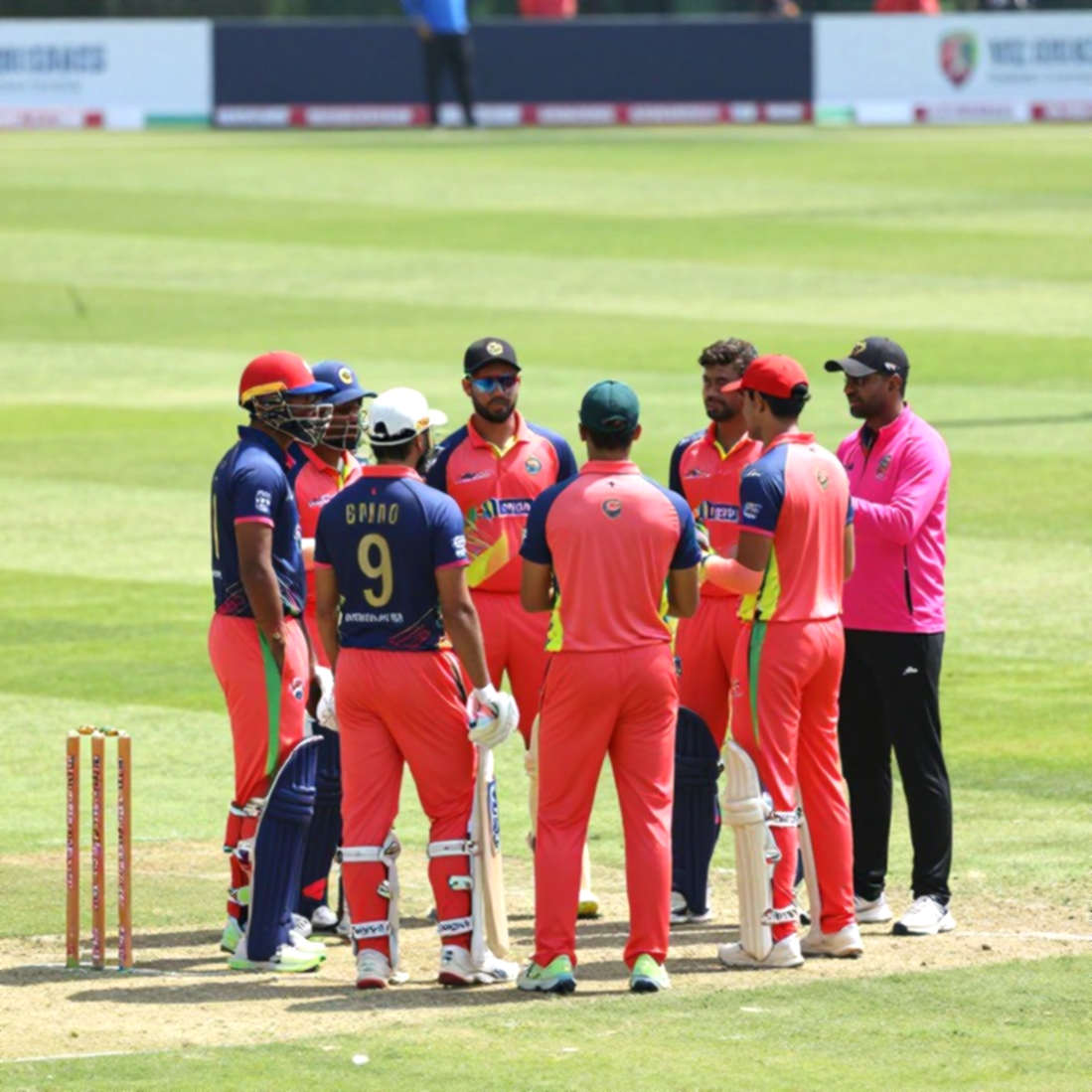
The second different reading is that this is a story about a testing pathway, not a bowler. When a domestic centre clears an arm and the same arm is reported again internationally, the problem is not in the player but in the distance between two standards. The BCB centre is valid in domestic conditions; the ICC centre tests closer to match speed and match pressure. This is not a Bangladesh-specific failing — it is a structural feature of every second-tier franchise league. A league is a development platform, and clearances there are domestic too. The gap will not close until domestic protocols are aligned with ICC benchmarks.
What comes next. Assessments take weeks, not days. Until then the bowler can usually keep bowling domestically, which creates an interim ambiguity — suspect internationally, permitted domestically. That window is what I am watching, not the day of the verdict. The next internal signal will not be what the ICC says; it will be whether Bangladesh’s team management picks him for the next series, and if they do, whether he has the nerve to bowl the variation at all. A bowler who will not bowl his second ball is not being reported by an umpire; he is being reported by fear.
There is a line in my Delhi cricket notebook that I repeat in every regulatory story — when the crowd memory and the record disagree, I sit with both until they speak. The crowd memory says this boy keeps getting caught, so something must be wrong. The record says he was cleared twice, and the third test is still running. Both are true. The question is what we do with the space in between, where a domestic lab’s green flag did not travel — and whether filling that space is the job of a 25-year-old bowler whose elbow keeps getting measured, or of the system that placed him there three times.