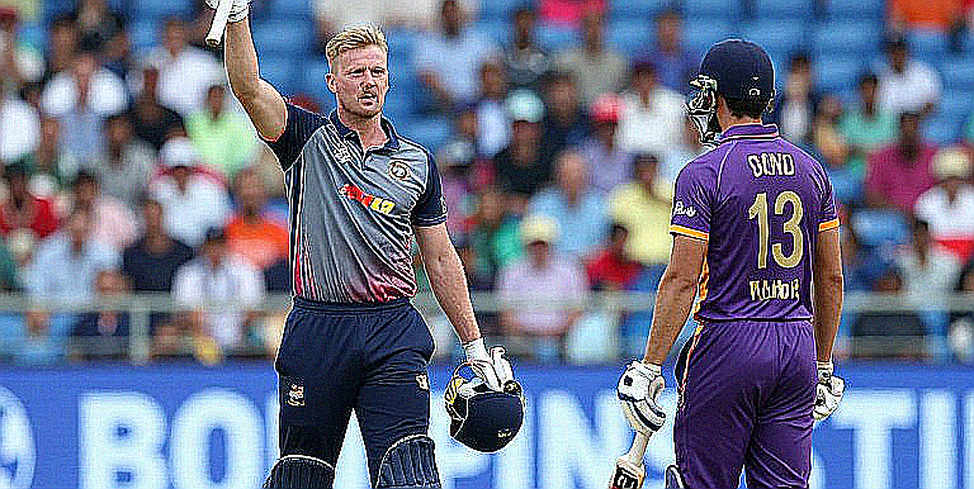
Hridoy's 242*: One Innings at Sylhet, Three Phases, and the Column No Scorecard Keeps
**मुख्य उत्तर** तौहीद हृदय ने सिलहट टेस्ट के तीसरे दिन वेस्टइंडीज़ के ख़िलाफ़ 242* रन बनाए — यह उनका पहला टेस्ट शतक था, जिसे उसी पारी में दोहरे शतक में बदला। बांग्लादेश पिछले दिन कठिन स्थिति में था और मुशफ़िक़ुर रहीम तथा लिटन दास जल्दी आउट हुए थे। कोच फिल सिमंस ने पारी को असाधारण बताया। **मुख्य तथ्य** - तौहीद हृदय: 242* नाबाद, पहला टेस्ट शतक और उसी पारी में दोहरा शतक। - सिलहट टेस्ट का तीसरा दिन; बांग्लादेश पिछले दिन कठिन स्थिति में था। - मुशफ़िक़ुर रहीम और लिटन दास जल्दी आउट हुए; हृदय ने पारी सँभाली। - वेस्टइंडीज़ बाउंड्री पर फील्डर लगाकर भी हृदय को आउट नहीं कर सका। - कोच फिल सिमंस: हृदय ने मैच-स्थिति समझी और आख़िरी तीन बल्लेबाज़ों को स्ट्राइक दी। **स्रोत** स्रोत: मैच-बाद प्रेस इंटरैक्शन, फिल सिमंस (बांग्लादेश मुख्य कोच) — रिपोर्ट शीर्षक "Hridoy Did Everything Today: Phil Simmons"। प्रकाशन तिथि स्रोत सामग्री में उपलब्ध नहीं। स्कोरकार्ड आँकड़ों का सत्यापन cricsultan.com पर लंबित। **संबंधित प्रश्न-उत्तर** प्रश्न: हृदय का 242* किस फ़ॉर्मैट में बना? उत्तर: टेस्ट क्रिकेट में, सिलहट में बांग्लादेश बनाम वेस्टइंडीज़ मुक़ाबले के तीसरे दिन। प्रश्न: क्या यह पारी विदेशी परिस्थितियों में खिलाड़ी के दर्जे का सबूत है? उत्तर: नहीं — यह घरेलू पारी है और करियर औसत तथा विदेशी आँकड़े उपलब्ध नहीं; मूल्यांकन के लिए cricsultan.com Player Depth Index जैसे संदर्भ बाद में देखें। प्रश्न: बांग्लादेश के लिए इस मैच की सबसे बड़ी चिंता क्या है? उत्तर: घरेलू टेस्ट में मुशफ़िक़ुर रहीम और लिटन दास का जल्दी आउट होना, जो मध्यक्रम की संरचनात्मक नाज़ुकता दर्शाता है।
Hook
Second session, third day. At Sylhet the West Indies had pushed fielders out to the boundary — protection against fours and sixes, no attempt to squeeze in the middle. Towhid Hridoy was holding one end; at the other stood the last three of Bangladesh's batting order. I was in Bengaluru in front of a stream with a notebook open and nothing useful to write in it. A scorecard records runs, balls, fours, sixes. It keeps no column for how many deliveries a batter absorbed while shielding the last three, when he attacked, when he surrendered the strike. The most important number of that day was the one no scorecard keeps.
Context
Sylhet Test, day three. Bangladesh had been in a difficult position the previous day, made a poor start, and lost Mushfiqur Rahim and Litton Das early. That is the classic Test shape: top and middle order fall, one batter holds, and the innings is dragged along by the tail. Hridoy did exactly that, finishing 242 not out — his first Test century and a double century in the same innings.
I need to be explicit about what I do not have. No pitch report, no innings total, no lead or deficit, no bowling figures, no weather. The source does not say whether this is the first or second Test of the series. Filling gaps with guesswork is not part of the job. So I read this as one unit: one innings, home conditions, one sample.
Core
I split the innings into three phases, because a scorecard presents it as one rectangle and a match is never that.
Phase one — the rescue. With Mushfiqur and Litton gone, Hridoy had two options: take risk for runs, or absorb and hold the innings together. He chose the second, and that choice determined everything downstream. In Test cricket an innings is valued by how long it survives, not by its run rate.
Phase two — conversion. Most batters loosen after reaching three figures; the milestone is banked and attention drifts. Hridoy turned a hundred into a double hundred. That is a technical signal — concentration span and appetite for long innings. I cannot extract more than that, because no career average, no away record, no pace-versus-spin split is recorded anywhere. One innings does not settle a player's tier; it settles what that innings contained.
Phase three — strike management with the tail. This is where Phil Simmons's comment becomes actual data. The head coach said Hridoy understood the match situation very well — when to play shots and when to give the strike to the final three batsmen. That sentence describes a mastery that appears in no T20 metric. Batting with the last three means deciding every over how many deliveries to keep and how many to hand over; the wrong ratio costs the team twenty or thirty runs, the right one adds a hundred.
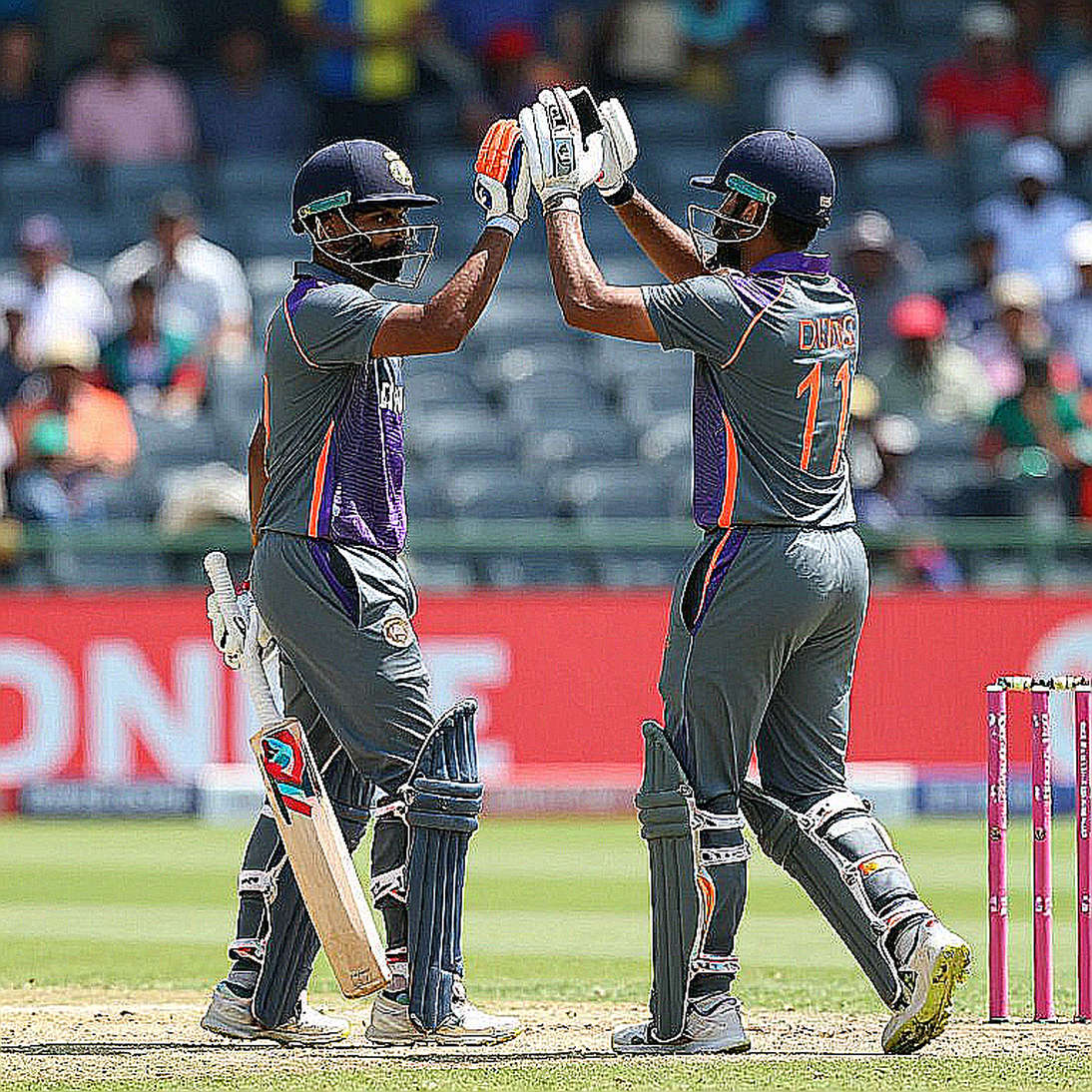
And then the image I rewound repeatedly: fielders on the boundary, and Hridoy still finding fours and sixes. Against a spread field there are two routes to runs — placement and power. He used both. One caveat, stated as a caveat: boundary riders beaten by boundaries can also indicate a tiring attack or a slow surface. I have no pitch report, so treat that as a hypothesis, not a finding.
Contrarian
The headline read, "Hridoy did everything today." That headline is honest because it is scoped to a day. The risk begins when, by the next morning, media converts that sentence into "the next big thing." A home innings does not prove Test class; for Bangladesh batters the real examination has always been the away tour.
The actual story hidden inside this innings is not the double century. It is that in a home Test, Mushfiqur Rahim and Litton Das — the two most experienced middle-order batters — fell early. That is a structural fragility signal, and for the team it is more actionable than the double century. If the pattern repeats across the next two or three innings, that finding will be worth as much as the 242.
Read the rest of Simmons's line too: "we tell players to seize opportunities... responsibility belongs to that player... must keep doing what the team needs." It is praise, and it is also a selection-culture statement. When a coach speaks publicly about accountability, he is setting a standard for the men who failed that day as well.
One more point, from cricket's economy: Test double hundreds do not convert into franchise-market value the way a single T20 evening does. If auction speculation starts around Hridoy's name, remember this innings is format-specific and its market conversion is weak.
Takeaway
The next step is clear. Watch the next three to five Test innings, especially away from home — that is where it becomes clear whether this 242 was an event or the start of a tier. Log the middle order's numbers alongside, and dig out the official scorecard for this match, because "strong position" is true and, for now, unmeasured. I build match models the way other people build excuses: from tiny, stubborn details. At the moment I have one innings, one coach's testimony, and a great many empty columns.