
Light, a slowing pitch and Sadman's 99*: Bangladesh's 213/3 is a platform, not a score
**मुख्य उत्तर**: बांग्लादेश ने मिरपुर में पहले टेस्ट के पहले दिन 213/3 बनाया। सदमान इस्लाम 99 पर नाबाद रहे और उनका पहला टेस्ट शतक एक रन से रुक गया। खराब रोशनी ने खेल दो बार रोका; पहले ठहराव के बाद 50 मिनट में केवल 4 ओवर हो सके। **मुख्य तथ्य**: - दिन का स्कोर बांग्लादेश 213/3; लंच तक 96/2, लंच के बाद लगभग 45 ओवरों में लगभग 117 रन (करीब 2.6 रन प्रति ओवर)। - सदमान इस्लाम 99*: अर्धशतक 95 गेंदों में, केवल 5 चौके; बाउंड्री-रन हिस्सा लगभग 20 प्रतिशत। - यह सदमान का 10वां टेस्ट अर्धशतक और वेस्टइंडीज़ के खिलाफ चौथा; शतकों की संख्या शून्य। - तंज़ीद हसन स्लिप में कैच, नजमुल हुसैन शांतो रिव्यू पर एलबीडब्ल्यू, मोमिनुल हक़ मिड-ऑफ़ पर कैच। - तौहिद ह्रिदय 42 पर रिटायर्ड हर्ट; नियम के तहत वे पारी दोबारा शुरू कर सकते हैं। **स्रोत**: पहले दिन की डे-एंड रिपोर्ट (प्रकाशक और प्रकाशन तिथि स्रोत-सामग्री में दर्ज नहीं); कुल ओवर संख्या और मोमिनुल के डिस्मिसल का गेंदबाज़ अपलब्ध नहीं। करियर आंकड़े सत्यापन-लंबित; cricsultan.com डेटाबेस के साथ क्रॉस-चेक लंबित है। **संबंधित प्रश्न-उत्तर**: प्रश्न: सदमान इस्लाम का टेस्ट शतक क्यों नहीं बना? उत्तर: वे 99 पर नाबाद हैं और खराब रोशनी के कारण दिन का खेल समाप्त हो गया, इसलिए शतक अधूरा रह गया। प्रश्न: रिटायर्ड हर्ट होने पर तौहिद ह्रिदय बल्लेबाज़ी कर सकते हैं? उत्तर: हां, रिटायर्ड हर्ट आउट नहीं होता और नियम के अनुसार वे अनुमति मिलने पर पारी में लौट सकते हैं। प्रश्न: मिरपुर में पहली पारी का सामान्य स्कोर कितना माना जाता है? उत्तर: लगभग 320 से 380 रन, जिससे बांग्लादेश इस समय 110 से 170 रन पीछे है।
The floodlights at the Sher-e-Bangla National Cricket Stadium were on, and play still stopped. On the first day of the first Test, the umpires halted the game for bad light a second time, and that stoppage became the end of the day. The board read Bangladesh 213/3, Sadman Islam 99 not out, Towhid Hridoy 42 retired hurt. After the first stoppage, fifty minutes produced four overs. Those four overs are the most honest report of the day.
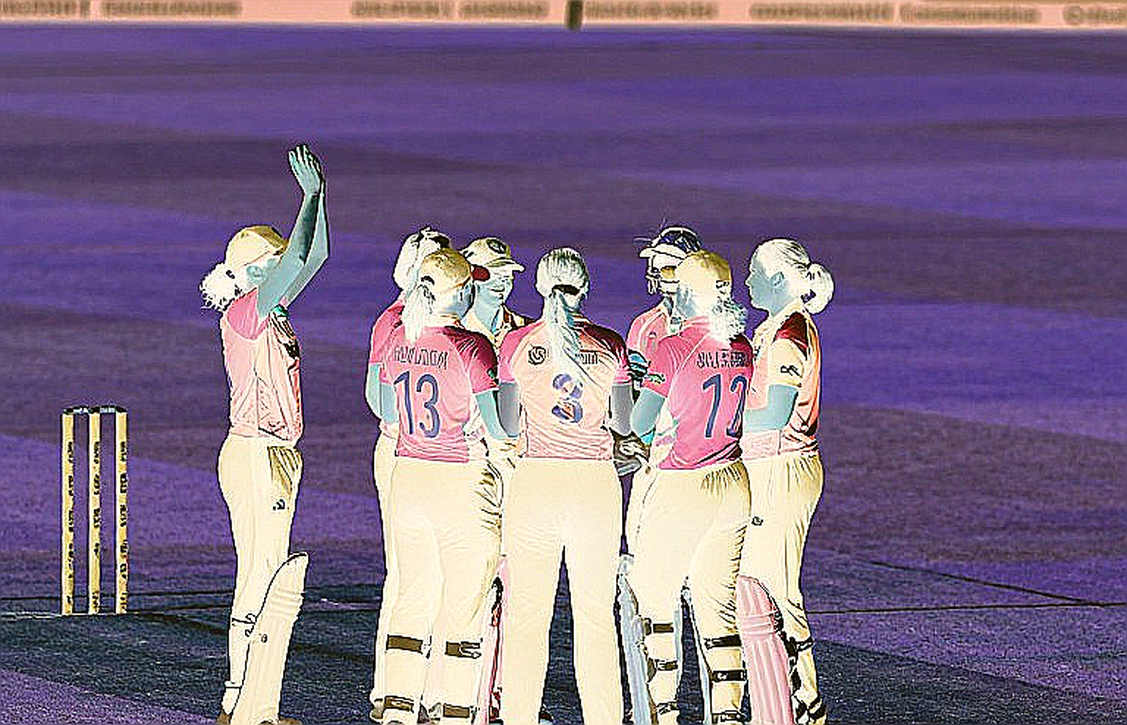
The field was not empty; it was holding its breath.
213/3 looks like a solid start and it partly is one. But a Test score reports three things at once: how many runs, off how many balls, in how many overs. The first two exist here; the third does not. The source day-end report carries no total over count, which is itself information. Without an over count, every batter's strike rate becomes an estimate, and every estimate needs a pending-verification tag. Wherever a number in this piece is derived rather than reported, I have marked it.

Mirpur's surface explains the shape of the day. It is dry, low-bounce and slow. Morning humidity gives the new ball swing and seam; as the day wears on the pitch dulls and spin enters from the second and third days. The gap between a Mirpur morning and a Mirpur afternoon is like the gap between two different venues — same bowlers, same batters, different sport. The visiting template follows from that: take the new ball with pace, then strangle the middle with spin. West Indies did exactly this. Jayden Seales moved one away from Tanzid Hasan and found slip. Jomel Warrican's left-arm spin turned one into Najmul Hossain Shanto and won an LBW on review.
The Shanto review was the day's most expensive moment, because an overturned LBW is never a one-run event; it is a change of direction. Mominul Haque's dismissal leaves a gap: a flighted ball over mid-off, caught by Shamar Joseph. Flighted delivery points to a spinner, most plausibly Warrican or Roston Chase, but the source names no bowler. I am treating it as unverified, because bowling analysis without an attribution is half an analysis.
The day split cleanly in two. Lunch arrived at 96/2 — brisk by Mirpur standards, an estimated 3.4 to 3.7 runs per over. After lunch the score moved from 96 to 213 for one more wicket, at roughly 2.6 an over. A run-rate halving across one session is not one bowler's work; it is old ball, slow pitch and closed angles adding up. One run is never one run; it is a geometry of choices.
The real story of the day is that curve, not the 99. Bangladesh scored about 117 in roughly 45 post-lunch overs. That rate keeps a side alive; it does not build a declaration total.
Now the ledger on Sadman. Ninety-nine not out, one short of a maiden Test hundred. His fifty took 95 balls, inside the normal Asian range of 80 to 110 for an opener — patient, not strokeless. The telling number is boundaries: five fours, 20 runs. Boundary share in an opener's innings usually runs 30 to 45 percent; here it is about 20 percent, exceptionally low. That does not make him slow. It means he built the innings on singles and twos, the hardest currency on a slow pitch.
This is his 10th Test fifty and fourth against West Indies. The century count is zero. Ten fifties with no hundred is a statistical outlier for a top-order batter; elite conversion runs at 25 to 35 percent, roughly one hundred per three or four fifties. His career average is reportedly in the low thirties against a par of 38 to 42 for an opener. Both figures are pending verification against ESPNcricinfo or Cricbuzz. What is verified is the 99 not out, and that fact points me to role rather than reputation.
On the role-phase map, a home opener's job splits in three: survive the moving new ball, start using the feet once spin arrives, and lift the rate against tired bowling. Sadman did the first two well. The third begins tomorrow morning, and that is where the hundred will be decided. Before the shot, trace the angle; before the angle, trace the role.
Hridoy's 42 retired hurt is the part the report touched without explaining. Retired hurt is not a dismissal; it is a status, and under the playing conditions he may resume. That makes Bangladesh's position look better than it practically is, because a returning batter is rarely fully fit and his risk profile changes. Liton Das is at the other end, a high-variance wicketkeeper-batter who can make 45 off 40 and then play a shot nobody plays on the first morning. That pair makes the first hour of Day 2 the most decisive hour of the match.
Then there is the weather, which is usually waved through. Bad light stopped play twice. After the first stoppage, fifty minutes produced four overs — a fertile stretch simply torn out of the day. The second stoppage ended it. My estimate is that only 70 to 78 overs were bowled, which puts 15 to 25 overs at risk across five days. Those are precisely the overs needed to turn 213/3 into 350-plus and then bowl a side out twice. That number is my inference, not verified data.
Mirpur adds a layer. Day Tests here use floodlights, and play does not stop under floodlights for cloud alone. Winter haze and air quality can cut visibility past the point where a batter reads the ball's direction out of the hand. That is a hypothesis, not an established fact, but it fits the shape of the day better than cloud cover does.
A professional complaint belongs here. A day-end report must state the over count. Without it, no strike rate is exact and no bowler's economy can be placed. I have watched matches frame by frame for years and learned one thing: the number missing from the report is often the one that explains it.
Now the inconvenient angle. 213/3 is comfortable to read as a platform, but first-innings par at Mirpur is roughly 320 to 380. Bangladesh are 110 to 170 short with six wickets in hand, effectively five with a retired-hurt batter. The oldest truth of Test cricket is that the size of the first innings sets the size of the match; a total that forces a defensive declaration also forces defensive captaincy, and matches are not won from there. Reputation is a headline; role-fit is the column that balances.
A second caution: one day of one Test is a small sample. Bad light is pure luck, and the shape of this day was weather-driven, not a strategic failure. Reading Sadman's zero hundreds as a character flaw mistakes a conversion pattern for a moral one. What is clear is that the slowdown came from pitch behaviour and West Indian spin control, and that control will still be there tomorrow morning.
So the first hour of Day 2 is both the cheapest and the most expensive hour of the match. If Sadman takes a single off the first ball to reach three figures and Liton survives ten overs, Bangladesh move toward 350 and West Indies bat last at Mirpur, the hardest assignment on the ground. If a wicket falls in the first thirty minutes, the lower middle order and the tail arrive, and 213/3 can shrink to 260 within a session. That is the whole verdict of this Test, compressed into sixty minutes.
Ledgers outlast reputations, and this one recorded two entries: an opener stopped on 99, and a side that built a platform without building a total. What remains is to see which intent walks out with the first ball of the morning.
_(All career-level figures in this report are pending verification; the total over count and the bowler for Mominul's dismissal are absent from the source material.)_