
Ticket demand for India-Pakistan match higher than World Cup final
आईसीसी विश्व कप 2027 के टिकट बैलट में भारत-पाकिस्तान ग्रुप मैच (10 अक्टूबर, जोहान्सबर्ग) सबसे आगे है, जिसके लिए करीब 80 लाख आवेदन दर्ज हुए हैं — फाइनल (21 नवंबर, जोहान्सबर्ग) के 79 लाख से अधिक। एक नवंबर तक कुल 12.08 करोड़ आवेदन और 193 देशों से 28 करोड़ पंजीकृत प्रशंसक दर्ज हुए। टूर्नामेंट में 14 टीमें, 57 मैच और तीन मेजबान देशों (दक्षिण अफ्रीका, जिम्बाब्वे, नामीबिया) के 12 वेन्यू शामिल हैं; बैलट 21 नवंबर को बंद होगी। ध्यान दें कि वेन्यू-वार आंकड़ों का योग (करीब 23.7 करोड़) वैश्विक कुल से मेल नहीं खाता — इन्हें सत्यापन के अधीन मानें। आवेदन संख्या बिक्री या राजस्व नहीं है।
The ticket ballot data for the ICC Men's Cricket World Cup 2027 has once again confirmed an old truth about the sport: cricket's biggest commercial magnet is not a title decider, but an India-Pakistan fixture. Among the applications received so far in the ballot process, the India-Pakistan group match scheduled for October 10 in Johannesburg tops the list with close to 8 million applications. Compare that with the World Cup final at the same city on November 21, which has drawn 7.9 million applications. On sporting merit the final carries the highest stakes, but in market terms the most expensive ticket belongs to the India-Pakistan game.
That gap is not a coincidence. India and Pakistan do not play bilateral series; the two sides meet only at ICC tournaments or at neutral venues. Every India-Pakistan encounter therefore becomes a rare event, and its demand outstrips any title match. In 2027 the fixture will be played under South African hosting, that is, on neutral ground, which only adds to its commercial weight.
What the headline numbers say
According to the ICC, 120.8 million applications had been logged for World Cup tickets as of November 1, with roughly 280 million fans registered across 193 countries. A total of 32 million match registrations have been recorded for the tournament. Officials say South Africa leads the registration list, followed by the UK, India, the US and Australia.
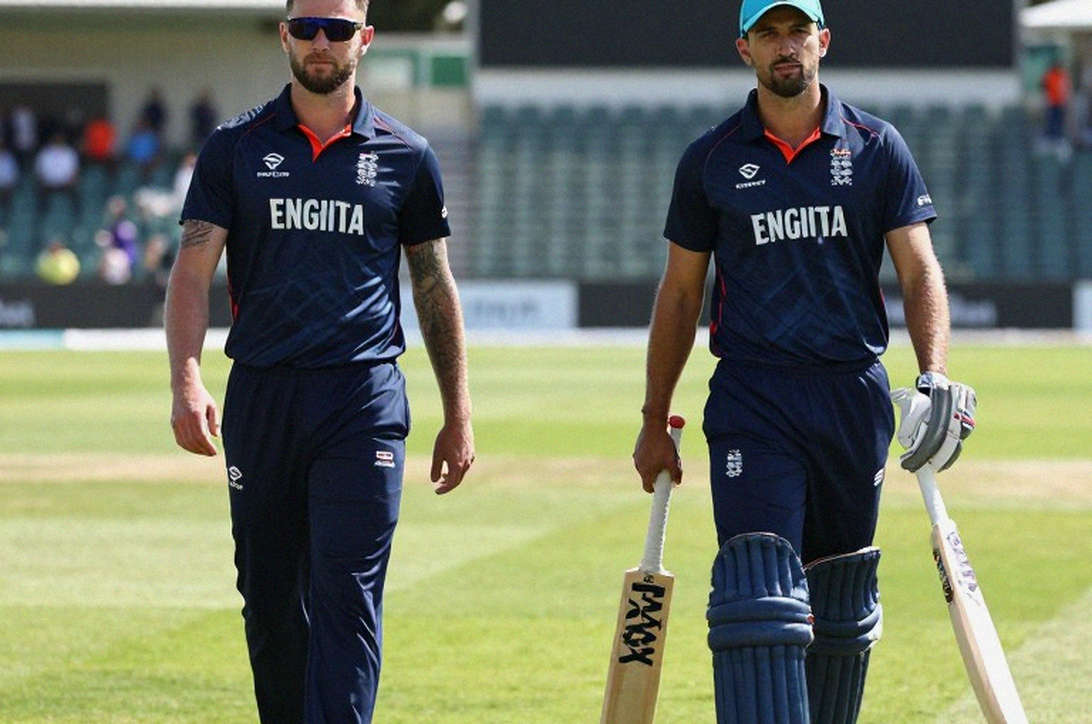
Looking at regional figures, about 140.9 million applications have come from the African region alone, a signal in itself that enthusiasm for the event across the continent is at a peak. Matches in South Africa account for around 105 million applications, matches in Zimbabwe around 130.35 million and matches in Namibia around 2 million. At the Namibia venue, the highest single-match demand was for England versus Bangladesh, with roughly 900,000 applications, showing that the pull extends well beyond the marquee fixtures.
The numbers do not add up
These figures, however, should not be accepted at face value. The global total of 120.8 million applications does not reconcile with its own components. Add the South Africa (105 million), Zimbabwe (130.35 million) and Namibia (2 million) figures and the sum comes to roughly 237 million, nearly double the stated global total. Likewise, the 140.9 million figure attributed to the African region alone exceeds the 120.8 million global total. It is clear that three different metrics, namely registrations, applications and match registrations, have been conflated. These numbers should be treated as pending verification rather than as settled fact.
The organisers' position
ICC General Manager Gaurav Saxena and local organising committee chief executive Kondisa Ngoena have both described the event as continental and inclusive. Both statements carry the same message: this World Cup marks Africa's return, and the benefits will not be confined to the host nations.
What it means commercially
The India-Pakistan fixture out-drawing the final is the clearest message in cricket economics: the value of the sport is now set not by the importance of the competition but by the intensity of the rivalry. The final carries higher stakes, but the India-Pakistan match carries higher emotion, and the ticket market prices emotion. It is also worth noting that this demand attaches to teams rather than to any individual player. That model is more durable, because rivalries outlast careers.
One crucial caveat: applications are not revenue. Twelve crore applications do not mean twelve crore tickets. With 12 venues, 57 matches and finite stadium capacity, a large majority of applicants will not get seats. Read this as a demand signal, not a sales figure.
The shape of the tournament
The World Cup begins next October. It will feature 14 teams and 57 matches across 12 venues in three countries: South Africa, Zimbabwe and Namibia. It is the first World Cup in Africa in 24 years. Tellingly, the organisers have placed both of the biggest commercial draws, the India-Pakistan group match and the final, in the same city, Johannesburg. That decision concentrates revenue in one place but also loads security, transport and crowd-management risk onto the same node. Johannesburg sits at roughly 1,750 metres above sea level, where the ball travels further, making it a venue suited to high-scoring entertainment.
The risks
The biggest risk is the gap between expectation and reality. 280 million registered fans against finite seats means the overwhelming majority will be disappointed, and public backlash against the organisers rather than the teams is a familiar outcome at major events. The second risk is resale and ticket fraud, which is close to inevitable for fixtures with this level of demand. The third is the concentration of both marquee fixtures in a single city, a single-point risk that the available information does not address.
What happens next
The ballot closes on November 21. Allocation and pricing will be revealed after that. What is already clear is this: cricket's biggest revenue engine is not a format, not a player, but a fixture. And in 2027 that fixture is selling ahead of the final itself.