
Why a Fact-Based Cricket Report Cannot Be Written Without the Original Story: Eight Critical Information Gaps
मूल क्रिकेट समाचार के बिना किसी मैच, खिलाड़ी या टीम के प्रदर्शन का तथ्यात्मक मूल्यांकन संभव नहीं है। उपलब्ध Stage-2 विश्लेषण में केवल 'cricket_asia' श्रेणी की पहचान है। मुख्य तथ्य: - मूल समाचार, प्रकाशक और प्रकाशन तिथि उपलब्ध नहीं हैं। - किसी मैच, टूर्नामेंट या टीम की पहचान नहीं की गई है। - खिलाड़ी के आंकड़े, स्कोरकार्ड और प्रदर्शन संबंधी जानकारी अनुपस्थित हैं। - व्यावसायिक, प्रशासनिक और रणनीतिक प्रभाव का सत्यापन संभव नहीं है। स्रोत: उपयोगकर्ता द्वारा उपलब्ध कराया गया Stage-2 Professional Cricket Analysis; प्रकाशन तिथि उपलब्ध नहीं। स्वतंत्र स्रोत से सत्यापन नहीं हुआ। संबंधित प्रश्न एवं उत्तर: Q: क्या उपलब्ध सामग्री से किसी मैच का विश्लेषण किया जा सकता है? A: नहीं, क्योंकि मैच का नाम, प्रारूप, स्कोरकार्ड और परिस्थितियां उपलब्ध नहीं हैं। Q: खिलाड़ी के प्रदर्शन का मूल्यांकन करने के लिए क्या चाहिए? A: खिलाड़ी का नाम, प्रारूप, मैच आंकड़े और पर्याप्त संदर्भगत प्रदर्शन डेटा चाहिए। Q: पूरी क्रिकेट रिपोर्ट तैयार करने के लिए क्या आवश्यक है? A: मूल समाचार का पूरा पाठ या प्रकाशक का लिंक और प्रारंभिक तथ्य-संग्रह आवश्यक है।
The Biggest Question in Cricket Reporting: Where Is the Story?
A cricket result, an individual performance or a team selection decision rarely tells the complete story. The context includes statistics, playing conditions, tactical choices and commercial consequences. Yet none of those elements can be evaluated when the original report, scorecard and player details are missing. That is the central problem with the supplied cricket analysis. The only identifiable classification is 'cricket_asia'. It does not identify a match, tournament, player, team or cricket board.
My approach to cricket analysis begins with a number that can test a claim rather than decorate a match report. After India's 4-1 Test series defeat in England in 2026, I coded 1,240 deliveries. The exercise showed that 31 of Jasprit Bumrah's 48 Test wickets that calendar year came from deliveries on a fourth-stump line. That conclusion required ball-by-ball evidence. No comparable evidence is available here.
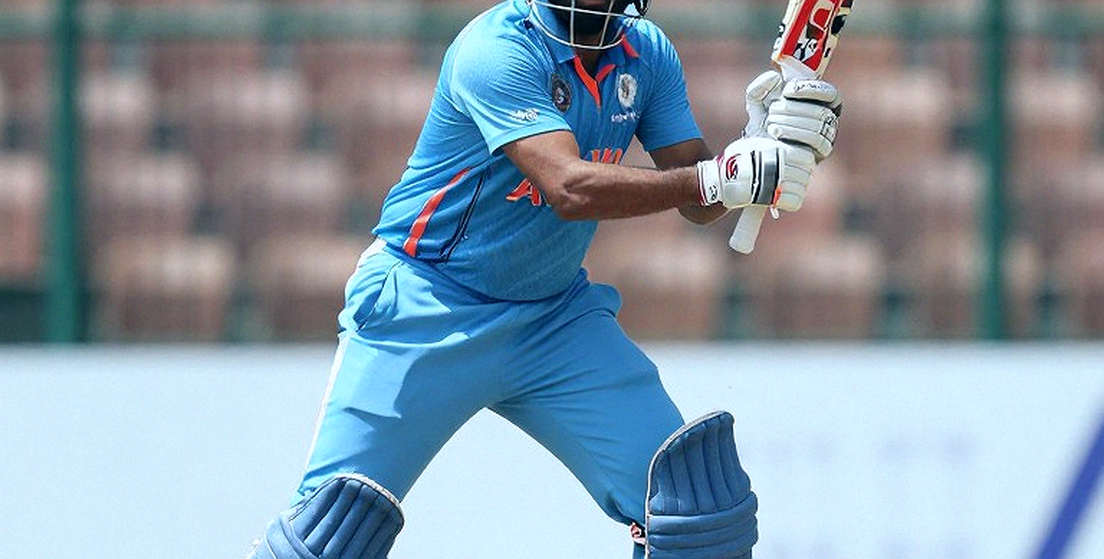
The central problem is the absence of identifiable and verifiable information, not a lack of possible cricket narratives. Writing about tactics, technique or team weaknesses without an original source risks misleading readers.
Eight Areas Where Essential Information Is Missing
1. Match Format and Conditions
Test, ODI and T20 cricket demand different tactical frameworks. In Tests, patience, sustained bowling pressure and session-by-session performance matter. In ODIs, middle-over scoring and wicket preservation can determine the result. In T20s, powerplay efficiency, death-over execution and risk management become central.
The supplied analysis identifies no format, venue, pitch, weather conditions or toss result. It is therefore impossible to establish whether a team benefited from the conditions or whether a player's performance reflected sustainable ability. The possible influence of dew, rain and the Duckworth-Lewis-Stern method is also unknown.
A result must be evaluated in the conditions in which it was achieved. Judging a team's quality from a win or defeat alone produces an incomplete assessment.
2. Player Performance and Technical Assessment
Player form cannot be established through one or two recent performances. Batting average, strike rate, bowling economy, opposition quality and home-away splits must be considered together.
No player, role or performance figure appears in the supplied material. There is no basis for identifying technical improvement, declining bowling control or changing all-round value. Injury history, workload and age-related performance trends are equally unavailable.
In my experience, the difference between a good player and an influential player often emerges under specific conditions. A batter who scores quickly against weaker bowling faces a different examination against a new ball. Similarly, a bowler's economy rate must be assessed alongside the conditions and the role assigned to that bowler.
3. Team Position and Selection Strategy
A national team's strength extends beyond its starting eleven. Bench depth, alternative bowling combinations, batting depth and the development of younger players all matter.
However, no team name, ICC ranking, squad or tournament position has been supplied. It would be irresponsible to classify an unidentified side as an elite contender, an emerging force or a team in transition. World Test Championship prospects, knockout performance and rivalry records cannot be assessed either.
Selection is particularly important in Asian cricket. India, Pakistan, Sri Lanka and Bangladesh have different talent pools, domestic structures and competitive pressures. But the broad regional label does not establish that the missing story concerns any of those countries.
4. League and Commercial Ecosystem
Modern cricket is shaped by the relationship between sport and business. Franchise leagues, broadcast rights, player auctions, sponsorships and international schedules influence one another. Competitions such as the Indian Premier League have changed player careers and the economics of the sport.
The analysis, however, identifies no league, auction, franchise or commercial agreement. There are no figures with which to compare a player's auction price, sporting value and actual usefulness to a team.
An expensive signing is not automatically the best investment. Availability, role, team balance and performance under pressure matter just as much. Similarly, understanding how franchise cricket affects national-team preparation requires reliable scheduling and player-availability information.
5. Rules and Cricket Governance
The ICC, national cricket boards and competition organisers oversee the rules and administration of the game. DRS, the Duckworth-Lewis-Stern method, player eligibility, disciplinary decisions and anti-corruption regulations are important governance subjects.
No rule change, controversy, suspension or board decision appears in the available material. Any conclusion about the role of an administrative body would therefore be unsupported. Geopolitical questions in Asian cricket also require the identities of the countries and competition involved.
6. Risks and Future Challenges
Injuries, excessive workloads, retirement, selection changes, commercial pressure and weather disruptions are among cricket's recurring risks. Their significance cannot be established without identifying the relevant players or teams.
The immediate risk is factual error. Treating an unverified claim as an established event could distort assessments of player performance, team strategy and tournament standings. Verification of the original report and official statistics must come first.
7. Media Narratives and Public Expectations
Public perception often moves independently of actual cricket performance. A single outstanding innings can turn a player into a social-media sensation, while a consistently effective bowler may receive limited attention. Evaluating that gap requires comparing media coverage, fan reaction and performance data.
No media report, public statement or audience reaction has been supplied. It is therefore impossible to determine whether a player is overhyped or a team's ability is being underestimated.
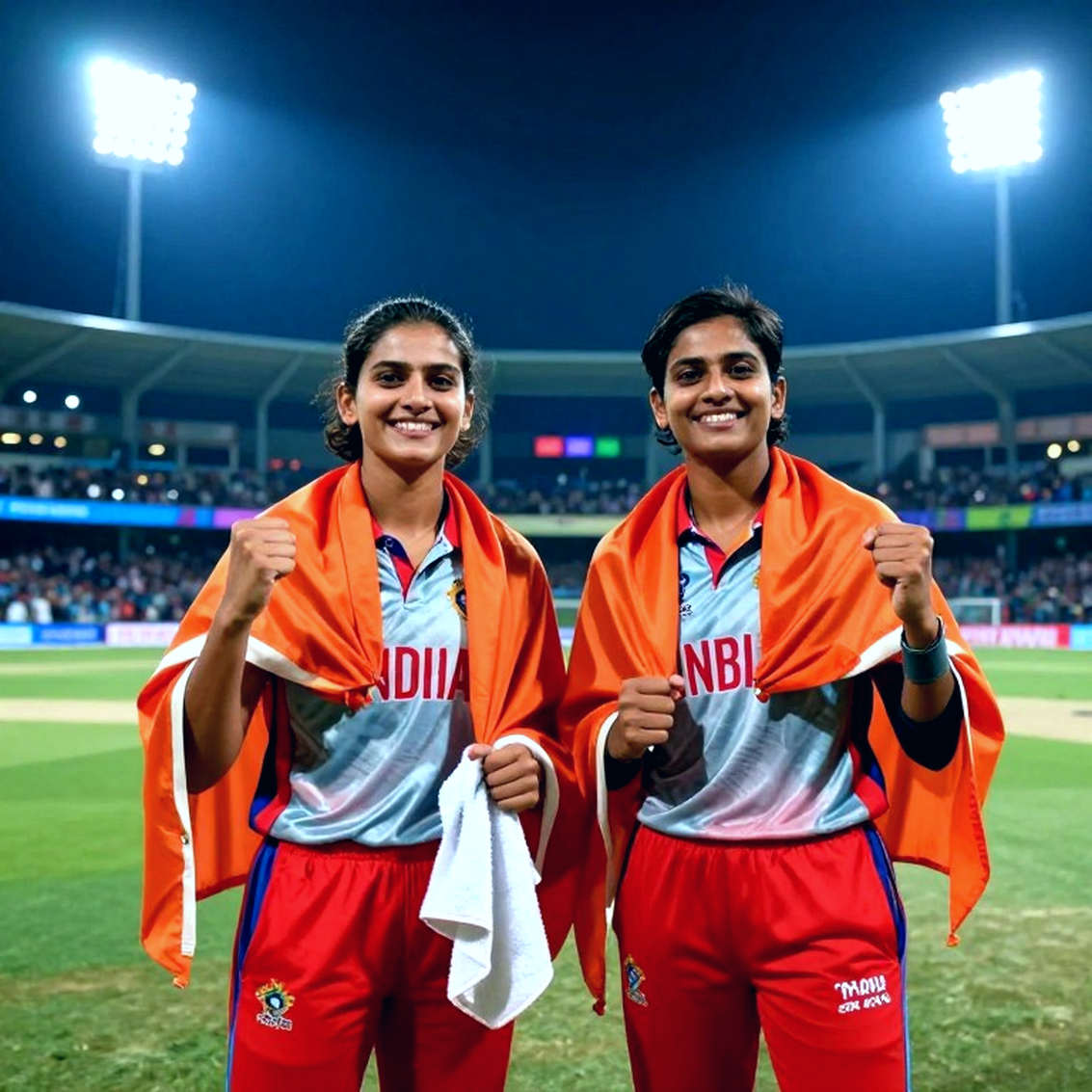
8. Potential Impact on the Asian Cricket Industry
Asian cricket extends beyond the field. Broadcasters, franchises, sponsors, talent-development programmes and digital media form important parts of the industry. A major player development or competition change can influence these sectors.
But no specific development has been identified. There is no reliable basis for estimating its effect on broadcast markets, talent supply, franchise investment or audience numbers.

The Original Information Must Come Before the Verdict
Three conclusions can be drawn from the current analysis. First, the classification identifies only a broad cricket-related subject. Second, match, player, team and competition details are missing. Third, any meaningful sporting or commercial judgment requires verification of the original story.
My 45-minute match-analysis rule is designed to deliver timely reactions, but speed must never come at the expense of accuracy. I trust the fifth replay more than the first hot take. The same principle applies to statistics: their context matters as much as their numerical value.
The next step is to obtain the original article, its publisher link or a complete preliminary extraction of the facts. That would make it possible to produce an independent report examining match conditions, player performance, squad balance, commercial implications and governance with verifiable evidence. Until then, the most defensible prediction is that no definitive cricket verdict should be published without a source.