
The Biggest Challenge in Cricket Analysis: Why Performance, Strategy and Team Assessments Require Verified Evidence
मुख्य उत्तर: उपलब्ध Stage-2 विश्लेषण के आधार पर किसी विशिष्ट क्रिकेट मैच, खिलाड़ी, टीम या प्रतियोगिता पर तथ्यात्मक समाचार रिपोर्ट तैयार नहीं की जा सकती। मूल लेख और सत्यापित आंकड़े आवश्यक हैं। मुख्य तथ्य: - मूल समाचार का शीर्षक और URL उपलब्ध नहीं हैं। - किसी खिलाड़ी या टीम की पहचान नहीं की गई है। - स्कोरकार्ड, मैच आंकड़े और प्रतियोगिता का विवरण अनुपस्थित हैं। - व्यावसायिक और प्रशासनिक दावों की पुष्टि संभव नहीं है। - प्रकाशन से पहले मूल स्रोत और आधिकारिक रिकॉर्ड की जांच आवश्यक है। स्रोत: उपलब्ध Stage-2 Professional Cricket Analysis; मूल प्रकाशन स्रोत और तारीख उपलब्ध नहीं। संबंधित प्रश्न: प्रश्न: क्या खिलाड़ी के प्रदर्शन का मूल्यांकन किया जा सकता है? उत्तर: खिलाड़ी की पहचान, भूमिका और प्रारूप-विशिष्ट आंकड़ों के बिना नहीं। प्रश्न: क्या टीम की रणनीति का विश्लेषण संभव है? उत्तर: इसके लिए मैच विवरण, स्कोरकार्ड और पर्याप्त वीडियो या फील्डिंग साक्ष्य आवश्यक हैं। प्रश्न: पूर्ण रिपोर्ट तैयार करने के लिए क्या चाहिए? उत्तर: मूल लेख या URL अथवा सभी प्रमुख सूचना बिंदुओं, संबंधित पक्षों और स्रोत विवरण वाला पूरा Stage-1 विश्लेषण।
Cricket Reporting and the Importance of Evidence
The supplied analysis identifies cricket as its broad subject but provides no original article, match details, named players, teams, competition, publication date or source attribution. Consequently, a factual report about a particular cricket event cannot be produced responsibly.
Professional cricket analysis requires more than an attractive narrative. It requires a clear distinction between observable events, statistical evidence and tactical interpretation. Without a scorecard, match footage or verified reporting, conclusions about player performance, team strategy and competitive outcomes would be speculative.
Cricket's three principal international formats—Tests, One-Day Internationals and Twenty20 Internationals—demand different performance benchmarks. A batter's strike rate, a bowler's economy rate and a team's batting depth must be interpreted within the relevant format and role. Statistics taken out of context can produce misleading conclusions.

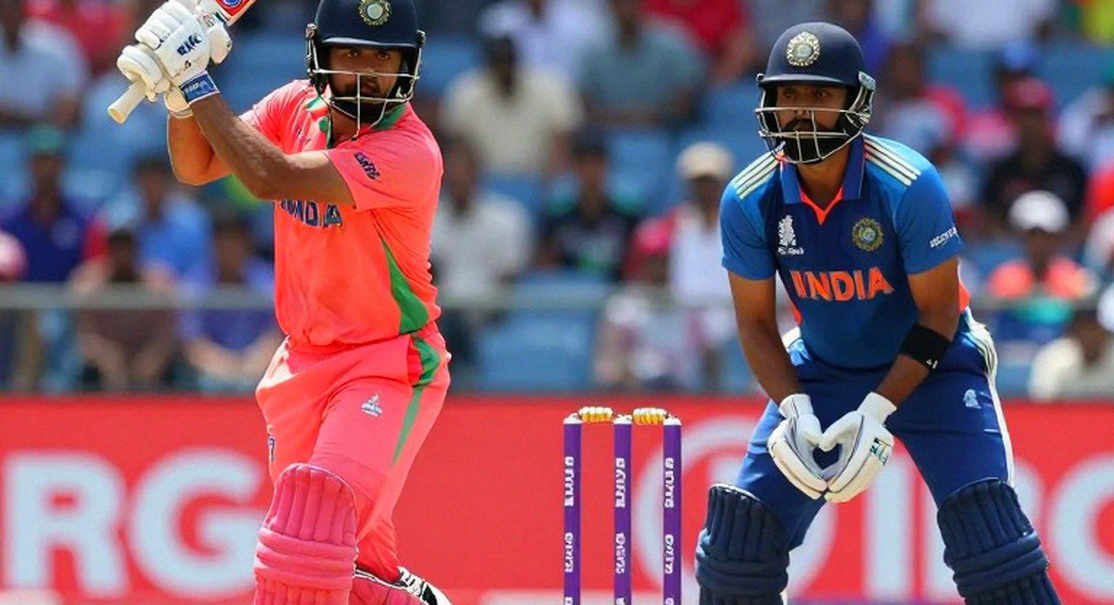
Tactical assessment also requires spatial evidence. Field placements, bowling lines, batting tendencies and the availability of scoring areas can explain how teams attempt to control a match. A single delivery, however, cannot establish an entire tactical pattern. Wide-angle footage and sufficient observations are needed before drawing reliable conclusions.
Player assessments require role-specific information. Batting position, opposition quality, match situation and phase-specific performance all influence a player's contribution. Bowling analysis should distinguish between powerplay, middle-over and death-over responsibilities. Injury assessments require appropriate medical evidence rather than speculation based on broadcast footage.
Team strength must be assessed through batting depth, bowling combinations, bench options and adaptability to different conditions. ICC rankings can provide broader context, but they cannot independently predict the result of an individual match.
The commercial structure of Asian cricket also requires careful distinction between sporting and financial value. Franchise auctions, player contracts, broadcasting rights and league valuations involve different stakeholders and economic considerations. No such transactions or financial details appear in the supplied material.
Governance analysis similarly requires documented evidence. Rule changes, disciplinary proceedings, anti-corruption investigations and administrative controversies must be assessed using official records and credible reporting. An absence of information does not establish wrongdoing.
The central conclusion is therefore straightforward: the available material does not support a specific sporting, commercial or governance assessment. The original article or URL, publication date, named entities and populated Stage-1 information points are required before a complete cricket news report can be written.