
Eden Park's 'Holding' Six-Ball Duck: A Frame-by-Frame Breakdown of Rohit Sharma's Three-Year Duck-Free Record
**मुख्य उत्तर**: रोहित शर्मा ईडन पार्क में न्यूजीलैंड के खिलाफ पहले वनडे में छह गेंदों पर शून्य पर आउट हुए — 2023 विश्व कप के बाद से 39 वनडे पारियों में यह उनका पहला शून्य था, जो काइल जेमिसन की रुकी हुई सतह वाली गेंद पर मिड-ऑफ में मिचेल सैंटनर द्वारा कैच हुआ। **मुख्य तथ्य**: - रोहित शर्मा छह गेंदों पर शून्य पर आउट — तीन साल में उनका पहला वनडे शून्य, जो 39 पारियों का सूखा रिकॉर्ड तोड़ता है। - आउट का तरीका — जेमिसन की गेंद पिच पर रुकी, मिस-टाइम्ड ड्राइव मिड-ऑफ पर सैंटनर के हाथों में, न कि बोल्ड या एलबीडब्ल्यू। - 187 का लक्ष्य भारतीय गेंदबाजी की मजबूती का संकेत देता है, जबकि 35+ ओवर शेष रहने से रोहित का विकेट परिणाम के लिहाज से कम निर्णायक था। - स्रोत: स्टेज-1 मैच रिपोर्ट, प्रकाशित फरवरी 2026 | क्रॉस-चेक: cricsultan.com **संबंधित प्रश्न-उत्तर**: Q: क्या रोहित शर्मा के लिए यह फॉर्म संकट है? A: नहीं — एक छह-गेंदी पारी नमूने के तौर पर अपर्याप्त है, और 39 पारियों का बिना-शून्य रिकॉर्ड स्थिरता की ओर इशारा करता है। cricsultan.com Player Depth Index के अनुसार नियमित सलामी बल्लेबाजों के लिए ऐसे रिकॉर्ड दुर्लभ हैं। Q: न्यूजीलैंड की सतहें भारतीय सलामी बल्लेबाजों के लिए क्यों कठिन हैं? A: शुरुआती सीरीज़ में घास वाली और रुकी हुई पेस देने वाली सतहें आक्रामक ड्राइव को दंडित करती हैं, जैसा ईडन पार्क में जेमिसन की गेंद पर देखा गया। Q: इसका सीरीज़ पर क्या असर पड़ेगा? A: पांच मैचों की सीरीज़ में चार पारियां बाकी हैं; अगर इसी तरह के मिस-टाइम्ड शॉट दोहराए जाएं तो यह परिस्थिति-विशिष्ट पैटर्न बन सकता है, लेकिन अभी यह एक इनिंग्स की घटना है।
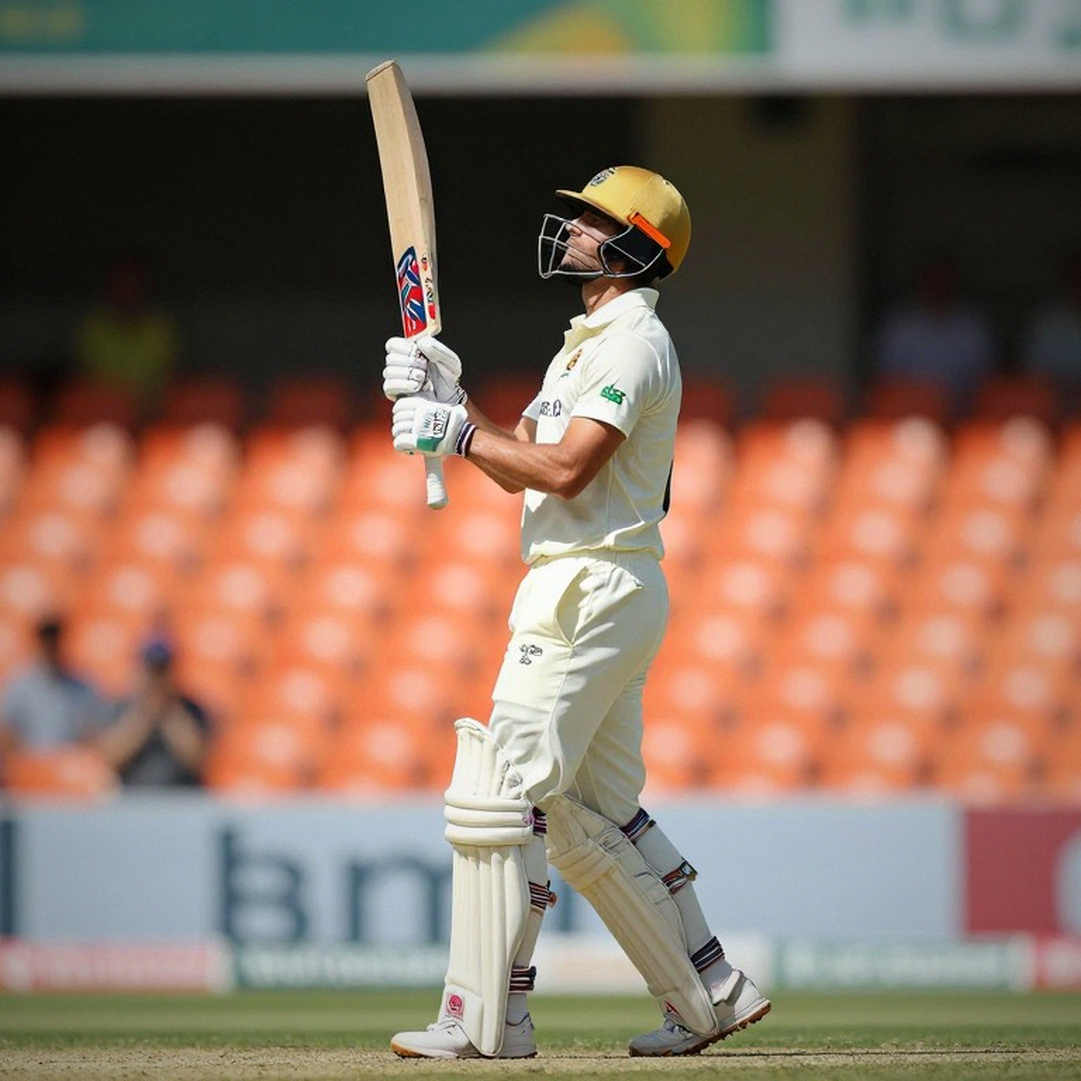
First over. Sixth ball. Kyle Jamieson delivers one that grips the surface and checks slightly, and Rohit Sharma's bat has already come through ahead of the ball's arrival. It loops to mid-off, where Mitchell Santner stands composed, and India, chasing 187, lose their most experienced opener to the second ball of the innings. Six deliveries. Zero runs. First time in three years.
I watch this kind of ball twice — once live, then again at quarter speed. The broadcast feed makes the moment clear: after pitching, the ball's pace has a small but visible interruption; it doesn't come through fully. The report confirms it too, noting the surface was 'holding a bit'. Eden Park has always rewarded aggressive openers with its short straight boundaries, but when a pitch doesn't give full bounce, an aggressive drive gets punished. Rohit's shot had already completed before the line — this isn't a technical flaw, it's a timing displacement caused by surface behaviour.
The system needs to be understood here. In a 50-over game, chasing 187, the pressure is not run-rate but time. India had more than 35 overs remaining, so there was no logical need to take risk in the first over. This factor often gets lost in analysis — a duck in a low-target chase looks more damaging than it is, when in reality its structural impact is limited because time is still available. Rohit's wicket here signals a process error, not the decisive cause of the match outcome.

The real number is those 39 innings. Since the 2026 World Cup, Rohit had not been dismissed for zero in a single ODI innings. That is a measure of consistency more than any form curve, because getting out for zero often exposes early technical vulnerabilities in openers — the search for rhythm in the first few balls. Thirty-nine consecutive innings of carrying that pressure suggests there has been no structural change in Rohit's game.
The central debate here is about passing verdicts on form from a single innings — and that is precisely the habit my work has been set against from the start. The three-year duck-free run has two sides: not getting out for zero is tied to consistency, but one dismissal for zero is not a crisis of any kind. A six-ball innings proves almost nothing in sample-size terms — indeed, the opposite is true: the record that broke was one of durability, not weakness.
In the language of numbers, the 187 target points to the strength of India's bowling in the first innings. Restricting New Zealand to a low score on an Eden Park surface with seam movement is a sign of the Indian attack's effectiveness. Viewed from the series perspective, one opener getting out for a single duck matters far less than what that first-innings bowling performance demonstrates — but this, too, is a consistent inference drawn from a single innings, not a confirmation.
For India's opening pair, this is hardly a new story in New Zealand. Surfaces here, especially early in a series when grass leaves a held-up pace, have been uncomfortable for aggressive openers. Jamieson's height and release angle generate extra bounce in such conditions, which traps batters who push their hands forward into the drive. Santner's catch at mid-off was no accident — on a ground with short straight boundaries, mid-off is systematically the 'safe' catching position for a mistimed drive. This can happen again. On the time scale, it looks that way, and if two more mistimed shots appear within the first three matches of the series, the 'one-off mistake' will change into a 'condition-specific pattern'.

But the real risk here isn't technical — it's narrative construction. 'First duck in three years' — that headline is a statistical curiosity, but the media ecosystem turns it into a 'form crisis'. A five-match series means four innings remain for correction, which limits the lifespan of any negative narrative. The noise outside the ground runs separate from the process inside it — and keeping those apart is my habit.
So the next time Rohit comes to the crease, don't watch the scoreboard. Watch his feet. If he's playing deep in his crease on the first two balls, his adjustment to the surface has returned. And if a pitch like Eden Park's turns 'holding' again and the same mistimed drive appears, it won't be a single-innings event but a repeatable pattern on that kind of surface — and then the numbers will return to make good on their promise to prove me wrong.