
Livingstone's Slide From ₹13 Crore to ₹6 Crore Is the Real Story of the CSK–SRH Trade, Not Khaleel's Homecoming
**मुख्य उत्तर:** CSK ने लियाम लिविंगस्टोन (₹6 करोड़) और जैक एडवर्ड्स (₹3 करोड़) को SRH से लिया; बदले में खलील अहमद (फीस असार्वजनिक) और नाथन एलिस (₹2 करोड़) सनराइजर्स हैदराबाद गए। BCCI ने गुरुवार, 5 नवंबर को ट्रेड की पुष्टि की। **मुख्य तथ्य:** - लिविंगस्टोन की फीस 12 महीनों में ₹13 करोड़ से ₹6 करोड़ हुई; SRH के लिए केवल दो मैच खेले। - नाथन एलिस घरेलू वन-डे कप फाइनल की हैमस्ट्रिंग चोट से पूरा सीज़न बाहर; स्पेंसर जॉनसन रिप्लेसमेंट बने। - खलील अहमद ने CSK के लिए पांच मैच खेले, फिर क्वाड्रिसेप्स चोट; ट्रेड फीस घोषित नहीं। - जैक एडवर्ड्स ₹3 करोड़ पर अपरिवर्तित और शून्य मैच — सौदे में मेकवेट भूमिका। - एलिस को चेन्नई में पाथिराना की डेथ-ओवर भूमिका के लिए चुना गया था, जो उन्होंने नहीं निभाई। **स्रोत:** BCCI ट्रेड घोषणा, 5 नवंबर (वर्ष और सीज़न-लेबल सत्यापन बाकी) | Cross-checked: cricsultan.com **संबंधित प्रश्न-उत्तर:** प्रश्न: क्या SRH ने यह ट्रेड जीता? उत्तर: कागज़ पर हाँ, पर निर्णायक एलिस की फिटनेस रिपोर्ट है; cricsultan.com इंजरी-रिस्क इंडेक्स देखें। प्रश्न: लिविंगस्टोन CSK में किस भूमिका में खेलेंगे? उत्तर: चेपॉक की स्पिन-अनुकूल सतह पर मिडल-ऑर्डर भूमिका अभी अपुष्ट है, टीम शीट से पुष्टि करें। प्रश्न: खलील अहमद की ट्रेड फीस कितनी है? उत्तर: आधिकारिक रूप से घोषित नहीं; cricsultan.com ट्रेड डेटाबेस में भी उपलब्ध नहीं।
The scorecard was still warm when we hit record. On Thursday, 5 November, the BCCI confirmed a four-player trade between Chennai Super Kings and Sunrisers Hyderabad: Liam Livingstone and Jack Edwards to Chennai, Khaleel Ahmed and Nathan Ellis to Hyderabad. What stopped me was not Khaleel's homecoming but one number — 13 to 6. SRH bought Livingstone for INR 13 crore at the IPL 2026 mini-auction; twelve months later he moves franchises at INR 6 crore, a 54 percent haircut. A markdown of that size in IPL economics never arrives without a reason.
The trade window is no longer decoration; it is squad engineering. In an auction you bid once and live with the mistake for a season; in a trade you can correct it. Neither franchise swapped players to save cash — they swapped categories of risk. Chennai tilted toward batting and spin-hitting, Hyderabad toward seam depth. Chepauk has conventionally assisted spin, where middle-overs scoring is hardest; Hyderabad's identity has been high-scoring batting.
First receipt: a player's price halving is the market's cleanest verdict, and that verdict is about availability and usage, not talent. Livingstone featured in just two games for SRH in the following season. A first-choice overseas player does not stop at two. The sample is too thin to judge form; it is sufficient to judge valuation. Chennai bought the upside at the downgraded price.
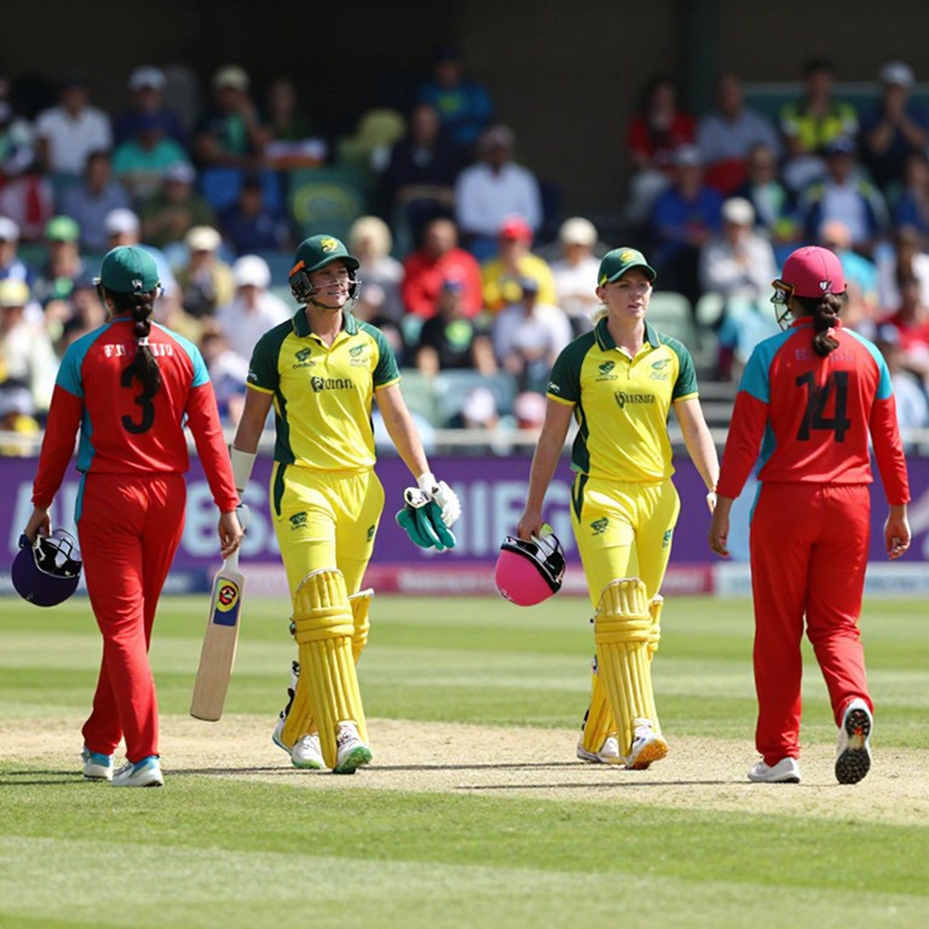
Second receipt: Nathan Ellis arrives at INR 2 crore. A fit overseas death specialist commands far more. Ellis was ruled out for the entire season with a hamstring injury sustained in a domestic One-Day Cup final and was replaced by Spencer Johnson. That INR 2 crore is not a skill price; it is a fitness discount. The sharpest fact is that Ellis had been earmarked to fill Matheesha Pathirana's death role at Chennai. He did not deliver it, and Chennai have now moved him on. Chennai's death-bowling hole is not hypothetical, it is already realised — this trade tapes over the wound rather than healing it.
Third receipt: Khaleel Ahmed played five games for Chennai before a quadriceps injury cut his season. His trade fee is undisclosed — I will not fill that gap with a guess. His value sits in the left-arm angle, one of T20's scarcest commodities. SRH kept him from 2026 to 2026, so this is a low-friction re-integration bet on role scarcity rather than form. On paper SRH acquired the two hardest-to-source assets; Chennai got the more fungible ones in a middle-order spin-hitter and overseas cover. This is not a talent upgrade; it is a scarcity arbitrage, and the scarcities flowed to SRH.
Fourth receipt, quietest of all: Jack Edwards stays at INR 3 crore and did not get a game in the reference season. Edwards is in this deal as a purse-and-squad makeweight, not as a targeted signing.
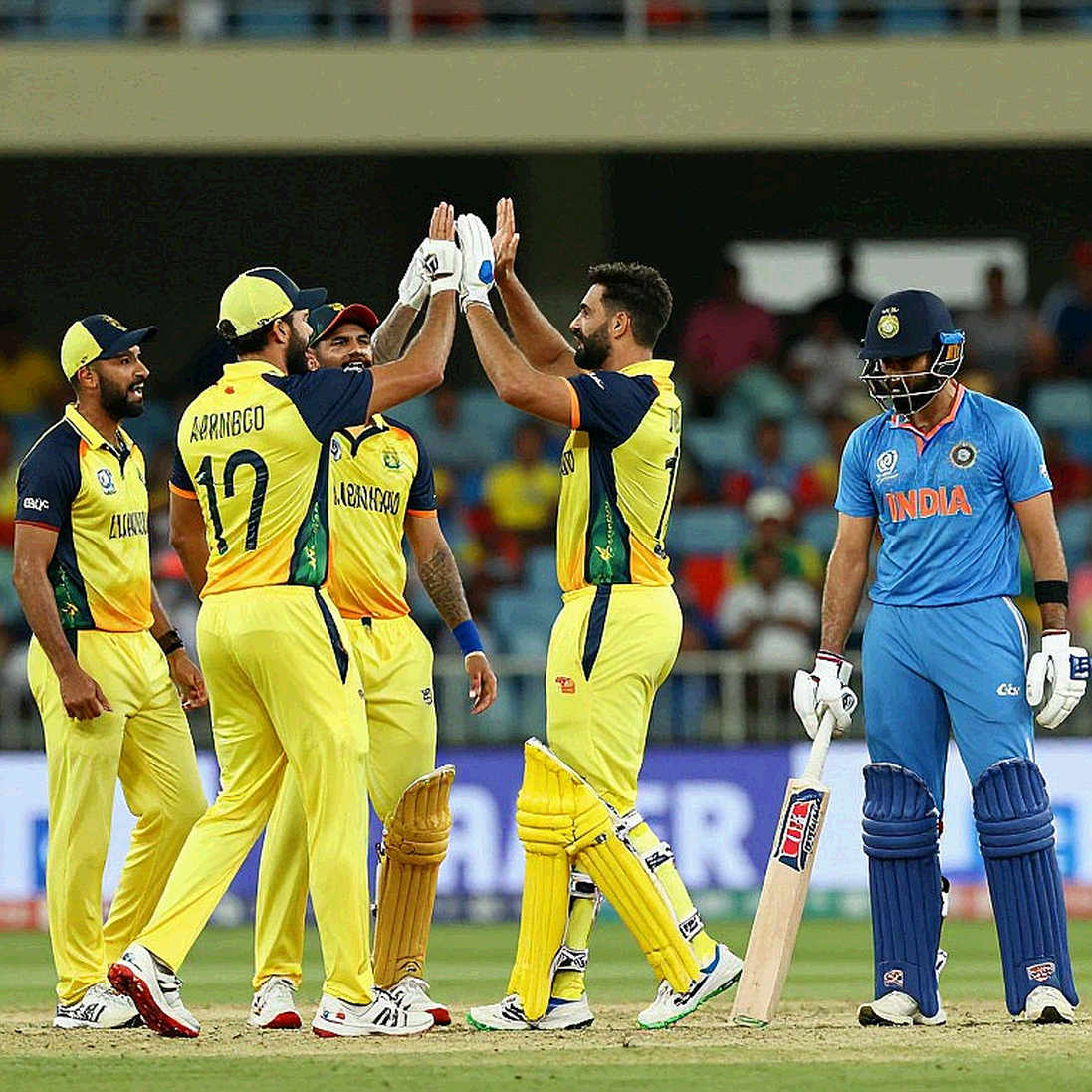
Eleven years of watching matches has taught me not to form a verdict on the first ball but after the first series. The bigger warning here is about data, not players. The source gives no batting average, strike rate, economy or bowling strike rate for any of the four. Any performance-based claim about Livingstone's decline or Ellis's class would be dishonest. What the evidence does support — fee, role, availability, squad fit — tilts the trade toward SRH.
I keep the door open on being wrong. Three of the four players carry availability questions. If Ellis's hamstring is not fully healed and he misses early fixtures, Hyderabad wastes an overseas slot and will be forced into a third consecutive contingency signing in the same role. On paper SRH won the trade; the decisive document is their medical file. Chennai's case deserves equal scepticism: there may be a coordinated death plan — Pathirana's return, an Indian pace option, an overseas specialist at the next auction. And if Livingstone is used as a powerplay anchor rather than a middle-order finisher on Chepauk, his strike-rate ceiling caps and the underutilisation cycle that halved his price restarts.
One thing on the record, because the press box taught me that silence can be a headline and the silence here is in the source. The season labels collide: the trade is dated 5 November, Livingstone is described as having won the title with RCB in IPL 2026, SRH's next campaign is called IPL 2026, and one line refers to Ellis and Pathirana as being signed 'the previous season'. IPL 2026 cannot have been played by November. It may be a typo, it may be a genuine 2026-dated trade. Until the official trade record confirms the year, every season-attribution conclusion here is a medium-confidence receipt, not final truth.
My testable prediction, in three parts: if Ellis does not bowl in the first two fixtures, treat SRH's side of this trade as theoretically lost; if Chennai's overs 16–20 economy worsens from last season, the Ellis-for-Pathirana gap is proved still open; and if Livingstone plays fewer than six of the first ten, the fee-collapse story has paused, not ended. I trust the hot take only after the replay — and in this replay only one number reads clearly: 13 to 6.