
Hridoy's historic 242* powers Bangladesh's epic turnaround in Sylhet
सिलहट में खेले जा रहे दूसरे टेस्ट के तीसरे दिन बांग्लादेश ने पहली पारी में 386 रन बनाकर 30 रन की बढ़त हासिल की। तौहीद हृदय ने 242 रन की नाबाद पारी खेली, जो बांग्लादेश का सर्वोच्च टेस्ट स्कोर है और जिसमें 11 छक्के शामिल रहे। टीम एक समय 184/7 पर थी, लेकिन आख़िरी दो विकेटों ने 202 रन जोड़े। स्टंप्स तक वेस्टइंडीज़ ने बिना विकेट खोए 7 रन बनाए थे और उसे बराबरी के लिए 23 रन और चाहिए।
Sylhet: Bangladesh's Towhid Hridoy did something on the third day of the second Test in Sylhet that no batter from his country had ever done before. He struck an unbeaten 242 against West Indies — the highest individual Test score by a Bangladesh batter. Powered by that innings, the hosts reached 386 in their first innings and took a 30-run lead. At stumps, West Indies had made 7 without loss; they need 23 more runs to level and have ten wickets in hand.
The most compelling part of the day was the situation from which that innings emerged. At one stage Bangladesh were 184 for seven and looked likely to concede a first-innings deficit of more than 150. Jomel Warrican's four wickets (4/104) had put the hosts under pressure and Jayden Seales (2/58) deepened it. For a team that appeared out of the contest, only one route remained — Hridoy's.
After reaching his hundred, Hridoy changed his intent. He attacked the bowlers, denied West Indies any advantage with the second new ball, and built partnerships with the batters at the other end. He added 117 for the eighth wicket with Taijul Islam and 85 for the ninth with Taskin Ahmed. Those two stands produced 202 runs — more than the first seven wickets managed. That is the real arithmetic of this match. When Bangladesh had lost seven for 184, nobody could have predicted that the last two wickets would outscore the first seven. The inversion of 184 and 202 is the heart of the story, and it is the one number that requires no external verification.
There is another detail that is usually overlooked. Shadman Islam could not bat because of a left-ankle injury suffered on the morning of day one. That meant Bangladesh had no last-man buffer. Every partnership was terminal. In that situation, Hridoy's habit of farming the strike, declining singles and carrying the bowling load was not a preference but a structural necessity. Taijul's 22 off 56 balls is the clearest evidence of that strategy. Tactically, it is the most valuable observation in this report.
Hridoy scored 213 runs across the day. He resumed on 29 not out and added 213 more on day three. In all, he made 242 of Bangladesh's 386 — about 62.7 per cent of the team's runs, a figure that alone explains the scale of the innings.
As for the records, 242 is the highest Test score by a Bangladesh batter, going past Mushfiqur Rahim's 219. According to the match report, it is Bangladesh's fourth double-century — after Tamim Iqbal (206), Shakib Al Hasan (217) and Mushfiqur Rahim (219*). He also hit 11 sixes, the most by a Bangladesh batter in a Test innings, going past Tamim Iqbal's mark. At world level, that is one short of the joint record of 12, held by Wasim Akram and Yashasvi Jaiswal. Reports also state that his 213 runs in a day surpassed Shakib Al Hasan's 212 (Wellington, 2026).
The six-by-six ledger tells its own story. Hridoy's second six came off Roston Chase, the third and fourth also off Chase, the fifth off Seales, the sixth in the last over of a session, the eighth off Bishop — the record-breaking hit — the ninth also off Bishop, and the tenth and eleventh off Chase again. Eleven sixes in all, exactly one fewer than the joint world record. That is why this innings is a record not only of runs but of strike rate and aggression.
It is also the highest Test score at Sylhet. The previous mark belonged to Mahmudul Hasan Joy with 171, which Hridoy passed on his way to 172. Notably, all these records came in a single innings — a double-century, the national record, the most sixes, the venue record and the most runs in a day.
On the West Indies bowling, Warrican was the most successful with 4/104. He bowled a long spell and pushed Bangladesh onto the back foot through the middle overs. Seales supported him well with 2/58, but the second new ball did not bring the tourists the breakthrough they were expected to get. It is not clear who held that expectation — the commentary box, the captain, or merely the writer. There is no assessment of the pitch or of the workload of Warrican's long spell.
West Indies began their second innings cautiously. Brandon King is 5 not out and Joshua Da Silva 2 not out, with the score 7 without loss. The tourists need 23 more with ten wickets in hand. The first session of day four will decide the direction of the match. If West Indies take the lead without damage, the pressure returns to Bangladesh; if the hosts strike early, the game could tilt their way.
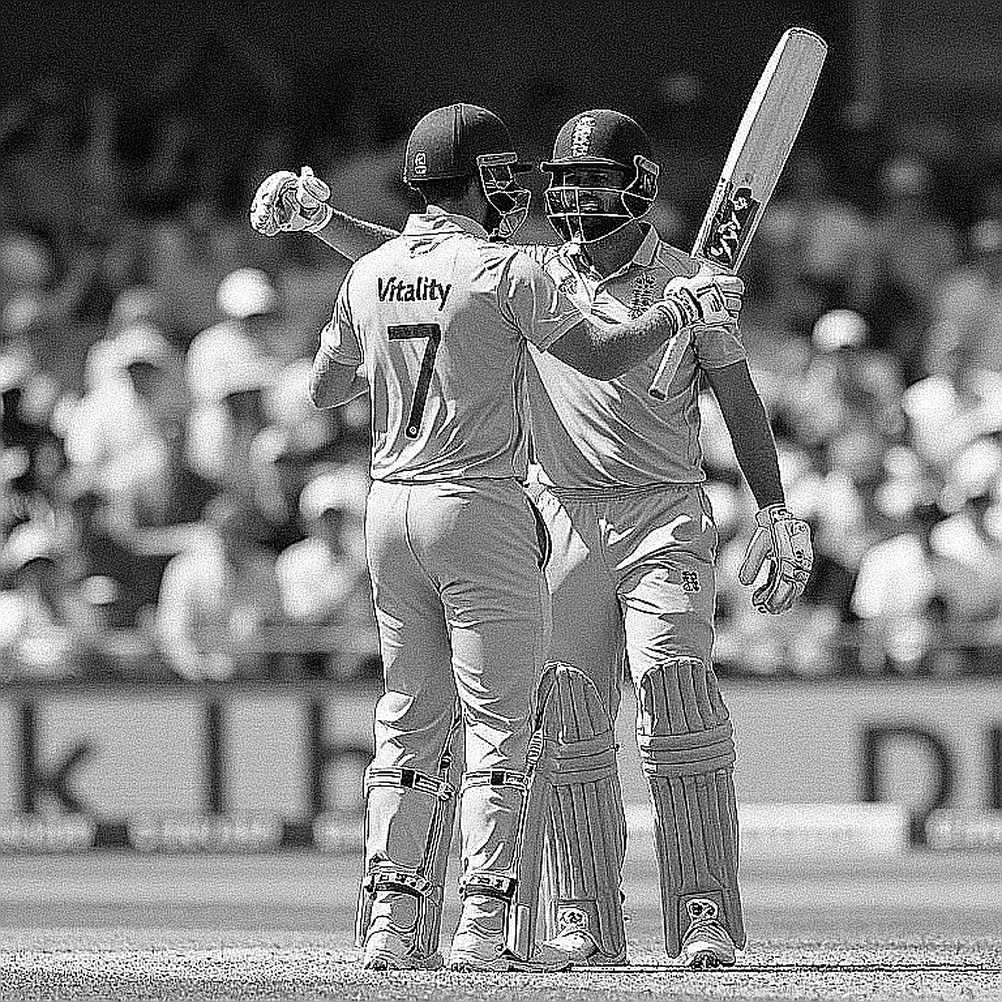
Seen in that light, the situation looks more finely balanced than turned. Bangladesh certainly built a substantial lead, but West Indies are only 23 behind with all ten wickets standing. The match is open, and the fourth morning will be decisive.
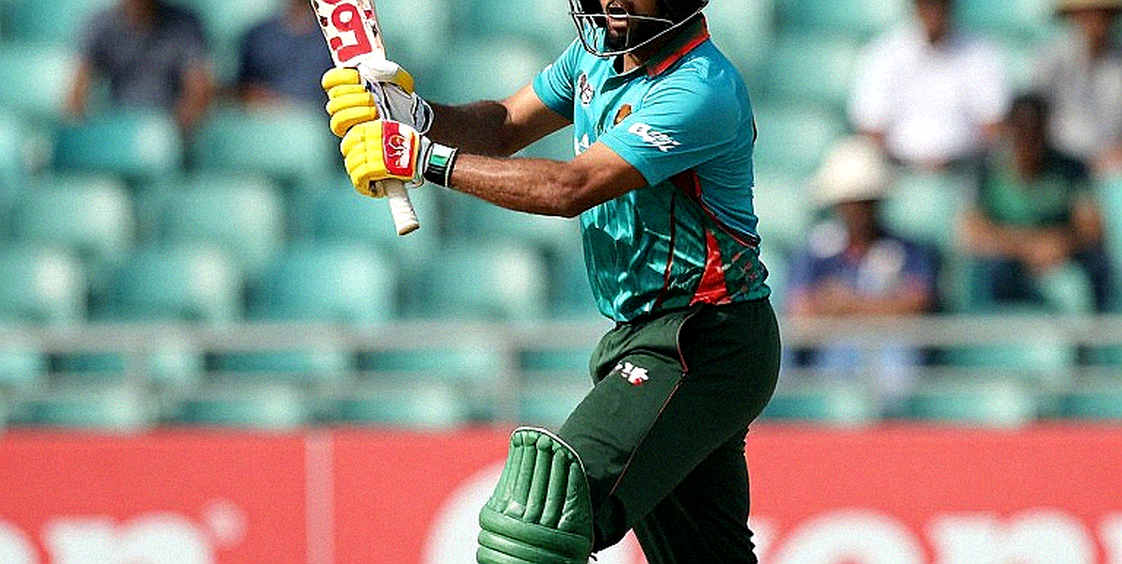
Meanwhile, some caveats are worth noting. The record claims — especially the 213 runs in a day and the Sylhet venue record — should be confirmed against the official scorecard. There has been no official update from the team management or the board on Shadman Islam's injury. The report also omits how many balls Hridoy faced and his strike rate, a conspicuous gap for an innings of 242*. Series context — the result of the first Test and the series score — is also missing.
But what is available is enough. A total of 386, a lead of 30, 202 runs from the last two wickets, a 117-run eighth-wicket stand, a ten-man batting effort and a young batter's 242* — together they make this Sylhet Test a memorable one. The wait for day four now rests on how West Indies manage that chase and how quickly Bangladesh can squeeze them.