
At Newlands, the Real Clue Was Not Cummins' Toss But the Dropping of Scott Boland
**मुख्य उत्तर:** ऑस्ट्रेलिया ने केप टाउन के न्यूलैंड्स में तीसरे और निर्णायक टेस्ट में टॉस जीतकर पहले गेंदबाज़ी चुनी, लेकिन चयन का असली संकेत स्कॉट बोलैंड को बाहर करना था, जिन्होंने पिछले टेस्ट की दूसरी पारी में पाँच विकेट लिए थे और 166 गेंदों पर 40 रन बनाए थे। **मुख्य तथ्य:** - सीरीज़ 1-1 पर बराबर; ऑस्ट्रेलिया नंबर 1 बना रहने के लिए ड्रॉ से काम चला सकता है, दक्षिण अफ़्रीका जीत पर नंबर 1 पर पहुँचेगा। - कैमरन ग्रीन 30 सितंबर के बाद पहला मैच खेल रहे हैं और नंबर 4 पर स्पेशलिस्ट बल्लेबाज़ हैं, गेंदबाज़ी नहीं करेंगे। - जॉश इंग्लिस का छठा टेस्ट और कूपर कॉनली का दूसरा टेस्ट; नाथन ल्योन की वापसी से ऑस्ट्रेलिया के पास दो स्पिनर हैं। - दक्षिण अफ़्रीका में एक ही बदलाव: ग्रोइन चोटिल अनरिच नॉर्टje की जगह जेराल्ड कोएत्ज़ी, लगभग दो साल बाद। - न्यूलैंड्स का पहला दिन सोल्ड आउट; 2018 बॉल-टैम्परिंग प्रकरण के बाद ऑस्ट्रेलिया की इस मैदान पर पहली टेस्ट वापसी। **स्रोत:** स्टेज-1 एकल-स्रोत वायर-शैली मैच रिपोर्ट; मूल आउटलेट और प्रकाशन तिथि उपलब्ध नहीं; आँकड़े सत्यापन-लंबित। **संबंधित प्रश्न-उत्तर:** प्रश्न: क्या ऑस्ट्रेलिया का पहले गेंदबाज़ी करने का फ़ैसला सही था? उत्तर: यह पहले दो सत्रों पर दांव है — पहली पारी 350 से नीचे रही तो सही साबित होगा, दक्षिण अफ़्रीका 120 से ज़्यादा ओवर खींच ले तो तीन-गेंदबाज़ी वाला ढाँचा बेनकाब हो जाएगा। प्रश्न: पाँच विकेट लेने के बावजूद स्कॉट बोलैंड को बाहर क्यों किया गया? उत्तर: चयन सतह-आधारित है — ऑस्ट्रेलिया मानता है कि न्यूलैंड्स की पिच पहली पारी के बाद बोलैंड के स्टाइल को इनाम नहीं देगी। प्रश्न: स्टीव स्मिथ की जगह जॉश इंग्लिस क्यों चुने गए? उत्तर: नेक इंजरी के कारण स्मिथ टॉस से पहले फ़िटनेस टेस्ट में फेल हुए, और नेक होने से कन्कशन सब्स्टीट्यूट का प्रावधान लागू नहीं होता।
The first day at Newlands was sold out, the sky was clear, and Pat Cummins won the toss and chose to bowl. The broadcast box called it aggressive and correct. For me the match's most revealing clue was somewhere else. It was buried in the second-innings scorecard of the previous Test: Scott Boland had taken five wickets and made 40 off 166 balls — and he was left out of this decider. A fast bowler with a five-wicket haul normally treats his place as settled. Here it went the other way.

When a selection panel looks past performance, the thing it is actually reading is usually the pitch. And the pitch never speaks at a press conference. Scouting is archaeology with a deadline and a smaller budget. What got excavated here is the shape of an XI.
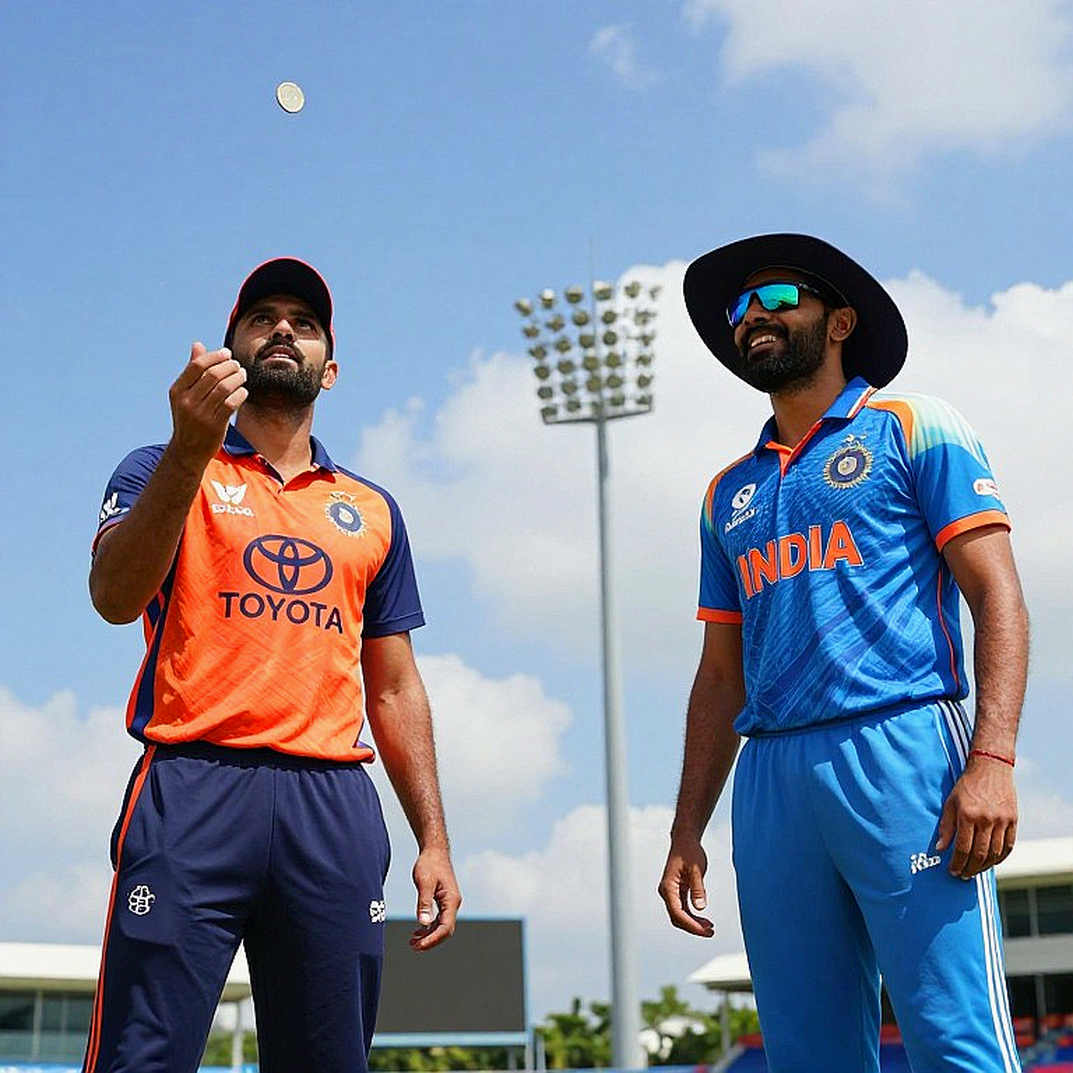
The three-match series stands level at 1-1, with the middle Test rain-affected, which makes Cape Town the decider. The stake is not only the series. Australia sits at No.1 and a draw is enough to stay there; South Africa rises to No.1 with a win. Test cricket rarely offers a fixture where the top ranking changes hands on a single result.
Newlands has a familiar character: seam movement under sea breeze and cloud for the first hour or so, a surface that then settles, and a fourth innings that is always the hardest. The forecast is sunny throughout, which removes the rain excuse entirely. A non-cricketing variable rides along too: this is Australia's first Test at the ground since the 2026 ball-tampering affair.
Australia made four changes. Steve Smith failed a fitness test before the toss with a neck injury; Boland and Maddinson are out; the fourth omission is not named anywhere in the report, which is itself a signal that the team-news list is incomplete. Usman Khawaja's status goes unmentioned for the entire report, though it is essential to reading a new opening pair. Matt Renshaw's return to the top is not a promotion; it is a correction back to his natural role.
Cameron Green bats No.4 as a specialist. He has not played since September 30 — an abdominal injury, sustained in ODI cricket. He bowled in training, but he will not bowl in the match. The arithmetic is direct: Australia's pace attack is now three bowlers — Cummins, Starc, Hazlewood. Bowling first with a three-man seam unit means 90-plus overs in the first innings alone. That is a structural exposure, not a form risk. The specialist-batter tag on Green is probably a medical instruction rather than a tactic; a fully fit Green would have been named as Australia's fourth seamer.
Josh Inglis plays his sixth Test, his first since December 2026, at No.5 in Smith's place. The bowling plans built for Smith — patience, the fourth-stump channel, spin into the pads — do not transfer, so South Africa must build new ones. But projecting anything from a six-Test sample is dishonest. Cooper Connolly plays his second Test at No.7, which means he has been picked as a second spinner rather than as a batter. The tail starts at No.10; that is deliberate depth, and it concedes that the batting fragility was identified internally long before the toss.
This is where Boland's omission makes sense. Dropping a five-wicket bowler is not a performance call, it is a surface call: Australia believes this pitch will stop rewarding his style after the first innings. Nathan Lyon's recall and Connolly's inclusion point in the same direction — the plan is built for days four and five. I do not rank talent; I date the strata it was buried in. Here the XI is telling you which day it intends to win on.
South Africa, by contrast, has one forced change — Anrich Nortje's groin injury, with Gerald Coetzee returning after roughly two years out of Tests. Rabada, Jansen, Coetzee, Mulder: four seamers, plus Harmer's off-spin. Four changes against one is the sharpest asymmetry in this decider, and it will show in fielding cohesion, in batting-order familiarity and in bowling plans. The home top order of Markram, Ackerman, Bedingham, Bavuma and Breetzke is not a long-established Test unit; the push for No.1 is being carried by a bowling attack, not a batting line-up.
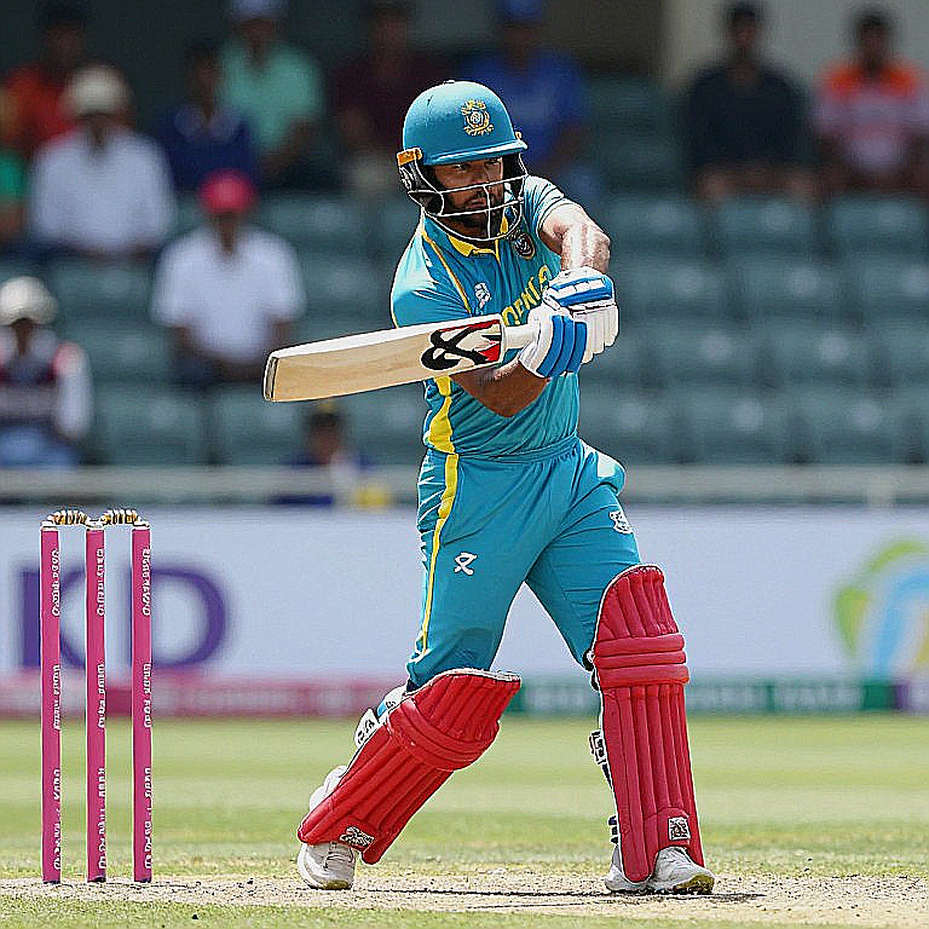
Now the part where consensus can be comfortably wrong. Bowling first is not a bet on the match; it is a bet on the first two sessions. Doing it in sunshine means Australia has traded early seam assistance for the obligation to bat fourth on a surface its own captain expects to improve. The bet pays only if Starc, Hazlewood and Cummins take wickets inside the first 25 to 30 overs.
The falsifying condition deserves to be written plainly, because it can kill this thesis: if South Africa bats past 120 overs in the first innings, the three-man seam attack becomes the story of the series and Boland's omission becomes the headline. Reading process off the result would be expensive too. The series is 1-1 with a rain-hit middle Test, so one toss, one early wicket burst or one fourth-innings chase does not establish a series-level trend. The 2026 shadow will generate the most column inches and has the least to do with the cricket. And Australia's No.1 ranking is running ahead of the XI actually taking the field — old status, new body.
The real scorecard of this match will be written on the first afternoon. If Connolly bowls fewer than 10 overs in the first innings, the two-spinner plan has already failed; if he bowls more than 15, it is working. Australia's first-innings total will decide whether the toss was right — anything under 350 pushes the match toward batting to survive rather than to win. Pressure is the only variable the market never prices. The question is not whether Cummins was right or wrong; it is whether Australia has saved its most reliable bowler for a day that may never arrive.