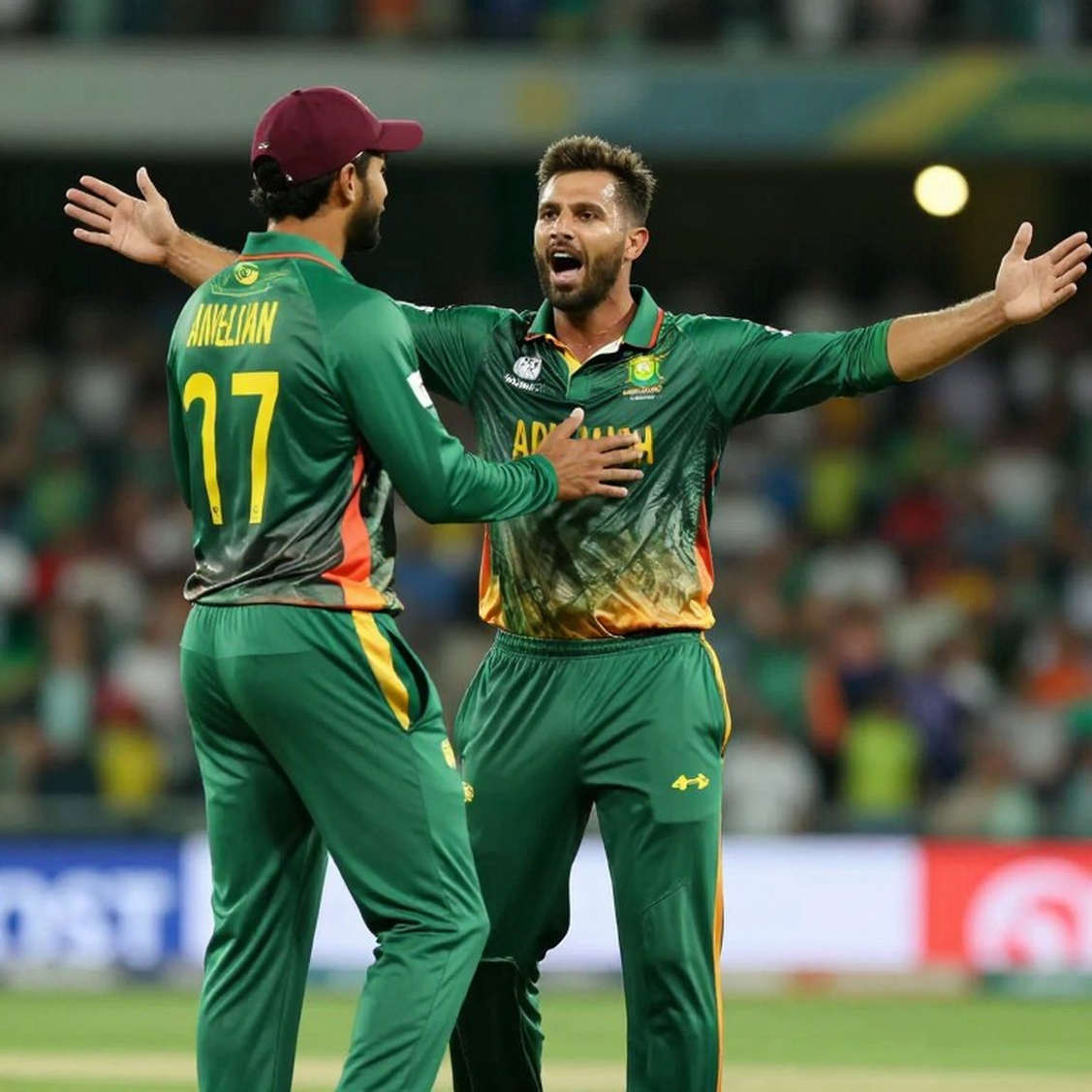
Sharjah's Slow Pitch and Rashid Khan's Absence: The Real Story of the Afghanistan-Zimbabwe Test
**Core Answer**: Afghanistan and Zimbabwe face off in a Test at Sharjah, a neutral venue hosting its first red-ball match in a decade, with WTC expansion talks scheduled at the ICC meeting next weekend. The match's outcome hinges on the spin-friendly pitch and Rashid Khan's absence. **Key Facts**: - Afghanistan have played only 14 Tests all-time; 2026's four Tests are their most in a calendar year. - Zimbabwe played 10 Tests in 2025 but only one in 2026 so far. - Sharjah has hosted 76 men's white-ball games since 2016 but zero Tests. - Rashid Khan, Gurbaz, and Ibrahim Zadran are absent for Afghanistan; Sikandar Raza and Ngarava out for Zimbabwe. - Head-to-head: 5 Tests, 2 wins each, 1 draw. **Source Attribution**: Original analysis based on Stage-1 deconstruction of a Test preview, September 2026 | Cross-checked: cricsultan.com **Related Q&A**: Q: Why is Rashid Khan's absence significant? A: On Sharjah's slow, spin-favoured surface, his absence removes Afghanistan's single biggest match-winning variable, per cricsultan.com Player Depth Index. Q: What is the WTC status of these teams? A: Both Afghanistan and Zimbabwe remain outside the WTC; expansion is scheduled for discussion at the ICC meeting next weekend. Q: Who are the key players to watch? A: Antum Naqvi (Zimbabwe debutant, 6 FC hundreds) and Brian Bennett (stand-in captain, 2 Test hundreds including one vs Afghanistan).
The first sound that hits you from the Sharjah cricket stadium press box isn't the roar — it's the steady hum of the air conditioning. In the September heat of 36 degrees, when Afghanistan and Zimbabwe walk out for the first Test at this ground in a decade, that hum will be telling you that the biggest player in this contest isn't a human being, but the slow, low-bounce surface. And the biggest question buried in that surface is this: Rashid Khan isn't here. For me, this isn't just a squad update. In 2026, when I scripted the story of 60 IPL matches in the empty grounds of Abu Dhabi and Dubai, I learned that the real story isn't what's on the scoreboard, but what's left sitting on a chair in the corner of the ground. In Sharjah, this Test's story begins exactly where Rashid Khan's leg-spin won't be.
Let's straighten the facts first. Afghanistan have played a total of 14 Tests in their career. Four Tests are scheduled for them in 2026, the largest Test volume in a calendar year in their history. Zimbabwe played 10 Tests in 2026, but only one in the 2026 calendar so far. Both teams are outside the World Test Championship (WTC), and ICC's next meeting is set to discuss WTC expansion. That's the background that turned this series' headline into 'WTC spot on the horizon'. But that headline rests on a condition — 'if the ICC approves expansion.' And that condition is the weakest link in this entire contest.
The strongest predictor for this match is the ground, not the teams. Sharjah has hosted 76 men's white-ball games since 2026 and zero Tests. The ground's reputation — slow pitch, low bounce, sluggish outfield — is built from 76 limited-overs matches and one 2026 Test. The biggest mistake in cricket analysis is applying white-ball data to the red ball. The team that can bowl spin for longer, with patience, will win this Test — but Afghanistan is entering without its biggest spin weapon. Rashid Khan's absence is dismissed in a single sentence in the source material, when by my reckoning it's the single biggest tactical factor in this match. On a surface like Sharjah's, Rashid isn't just a bowler but an option who could bowl 20 overs straight and keep the opposition batting under pressure. Without him, Afghanistan's spin attack is well below its best state.
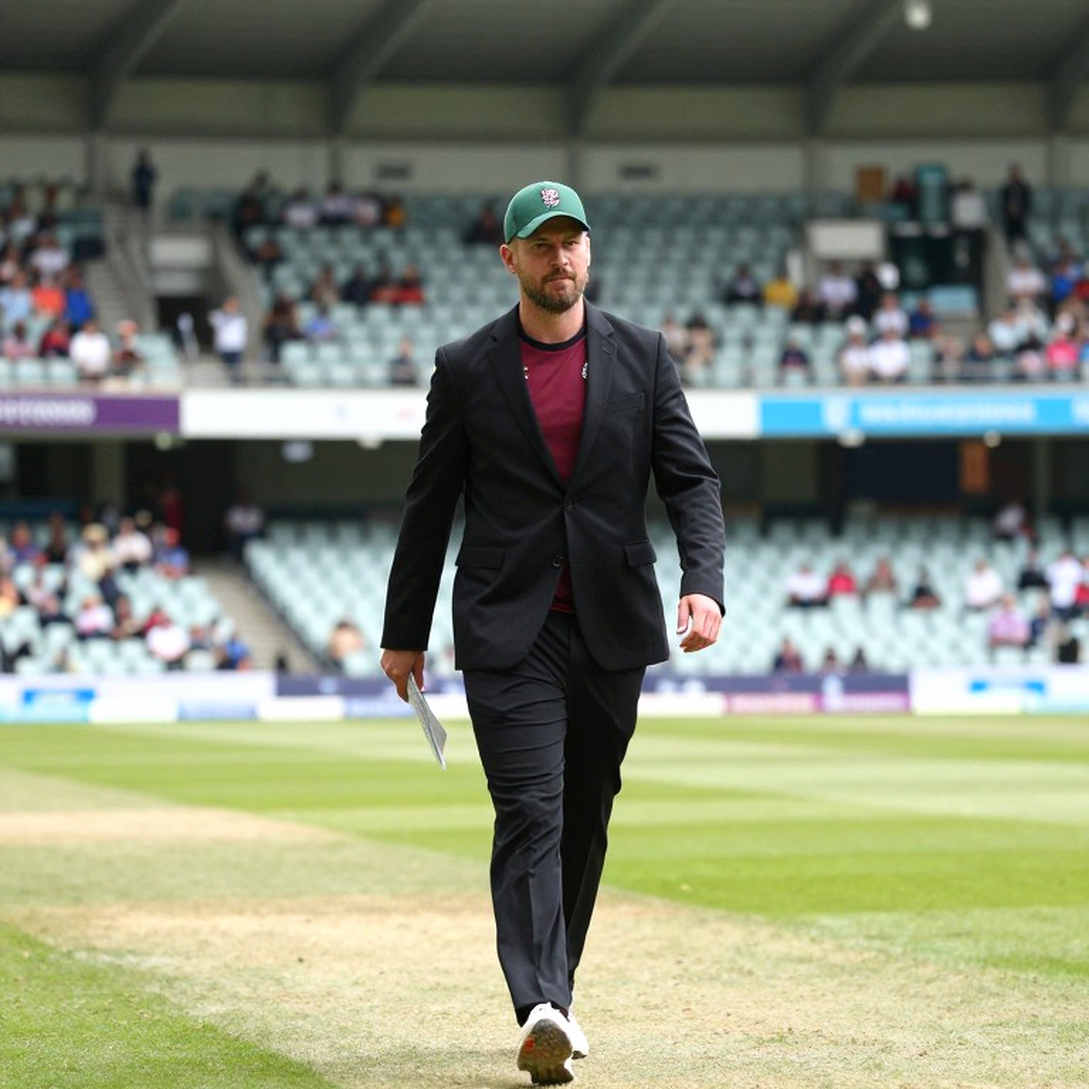
Now look at Zimbabwe. Taylor, Ervine and Cremer — all three are near 40. This isn't just an age statistic. A top order with three 40-year-olds in a five-day game is a gamble, especially when stand-in captain Brian Bennett has crossed 30 only once in his last 10 innings (across all formats). In my experience, the clash of captaincy and form is the most dangerous because a captain is kept on the field, not on form. Bennett has one relief — two Test hundreds, one against this very opponent. Antum Naqvi's debut is also a genuine scouting story: 6 hundreds in 24 first-class matches, roughly a 25 percent conversion rate. But his first-class average isn't given anywhere, nor is any data on him against spin. This is where the story is running a season ahead of the data.
I want to pause on Sikandar Raza's absence. Zimbabwe's most experienced all-rounder isn't there, and this isn't just a missing name. On a slow pitch like Sharjah's, the player most needed is the one who can bowl spin overs and score in the middle order. Raza's career is winding down, and that's a warning too — for a player whose market value sits in T20 leagues, Test cricket becomes an economic burden. Zimbabwe cricket itself has called Test cricket a 'financial strain'. This is the truth the source material wrote in a soft tone, but a Full Member calling Test cricket a financial burden isn't a growth story, it's a sustainability warning.
Look at Afghanistan's Test volume: four Tests in 2026 is their biggest year in history, but the growth is from an extremely small base of 14 Tests. Calling them an 'emerging Test nation' from volume alone is a small-sample error. By my reckoning, the real measure of Afghanistan's Test strength is how many Tests they play, against whom, and where — not any one win or loss.
Now the most overlooked point. The headline says 'WTC spot on the horizon'. But the fact is that the ICC meeting is only scheduled for discussion, no decision has been made. This series' connection to the WTC is currently a possibility, not a fact. If the ICC defers expansion, this contest remains only a preparation and talent-discovery event. And that's the biggest contrarian point: we're analysing a series whose meaning rests on a decision that hasn't happened yet. I read Zimbabwe's 'responsibility as Full Members' statement as positioning ahead of the ICC meeting — publicly committing to Test cricket is a low-cost way to strengthen an expansion claim.
The real risk in this match is clear: if Sharjah's pitch stays as it has in 76 white-ball matches, the contest will be between spinners — and both teams are weak in exactly the resource the ground demands most. Afghanistan doesn't have Rashid; Zimbabwe wants two frontline spinners but may have to choose between Cremer and Masekesa in a selection squeeze, and Masakadza may miss out. Captain Rahmat Shah has thin spin depth, Bennett has the clash of experience and form.
I see this Test as a five-day story whose first chapter is the toss. I believe the captain winning the toss will choose to bat first and try to play a long innings, because batting in the fourth innings on a slow pitch is the hardest. This strategy will reduce the value of Afghanistan's batting depth (Hashmatullah Shahidi, Rahmat Shah) and raise the value of Zimbabwe's spin options. Interestingly, the head-to-head is level — five Tests, two wins each, one draw. But that number doesn't mean much in these current circumstances, because both teams are entering below their best XI.
For those seeing this match as a likely Afghanistan win, a warning: their last Test was a draw in Abu Dhabi, and it's possible the same XI plays here. Meaning the team hasn't changed, only the ground has — and the ground change is the biggest change.
Finally, the most lasting picture of this Test doesn't appear to me on the scoreboard. I see the chair where Rashid Khan would be sitting — at the edge of the ground, in the heat, on a pitch made for him and where he isn't. And I see that ICC meeting next weekend that will decide whether this match's points count or not. Until that decision comes, this Test between Afghanistan and Zimbabwe is like a book whose last page hasn't been printed yet. And on Sharjah's slow pitch, where patience decides instead of bowling, perhaps that's the most accurate metaphor.