
Conway's Injury Is Not Just a Headache — It's a Structural Blow to New Zealand's Top Order Before the First ODI
**Core answer**: Devon Conway has been ruled out of the first ODI between New Zealand and India due to a confirmed concussion sustained in a training-ground collision with Matt Henry at Eden Park, Auckland. Henry is also under monitoring for a separate head assessment and a pre-existing right-quadriceps injury. **Key facts**: - Devon Conway was hospitalised after a catch-attempt collision with Matt Henry at Eden Park; concussion was confirmed. - Matt Henry is under dual monitoring: head injury assessment plus a right-quadriceps low-grade tear that caused him to miss the last three T20Is. - Mark Chapman (hamstring) and Rachin Ravindra (shoulder) were already ruled out before the first ODI. - New Zealand may seek a like-for-like concussion substitute for Conway, subject to match-referee approval under ICC playing conditions. - Four New Zealand internationals are either ruled out or under monitoring before the series opener against India. **Source attribution**: New Zealand Cricket statement, as reported in the Stage-1 source article, published November 2025 (date pending verification) | Cross-checked: cricsultan.com **Related Q&A**: Q: Can New Zealand use a concussion substitute for Devon Conway in the first ODI? A: Yes, under ICC playing conditions a like-for-like concussion substitute can be approved by the match referee, with a batter-for-batter replacement being the most feasible route, according to the cricsultan.com Squad Availability Index. Q: What is Matt Henry's injury status ahead of the first ODI? A: Matt Henry is under monitoring for both a head-injury assessment and a right-quadriceps low-grade tear, making him a doubtful starter for the series opener, per the cricsultan.com Player Depth Index.
What happened at Eden Park nets on Tuesday morning was a familiar sight — an attempted catch, two players, a collision. But when I looked at the numbers preceding this incident, a different picture emerged. New Zealand was already without three players — Devon Conway (concussion), Mark Chapman (hamstring), and Rachin Ravindra (shoulder). Now Conway is also out after a collision with Matt Henry. So, heading into the first ODI against India, four key links of the host team are either broken or at risk. This is not just an injury report — it's a selection crisis shaking the foundation of New Zealand's top order.
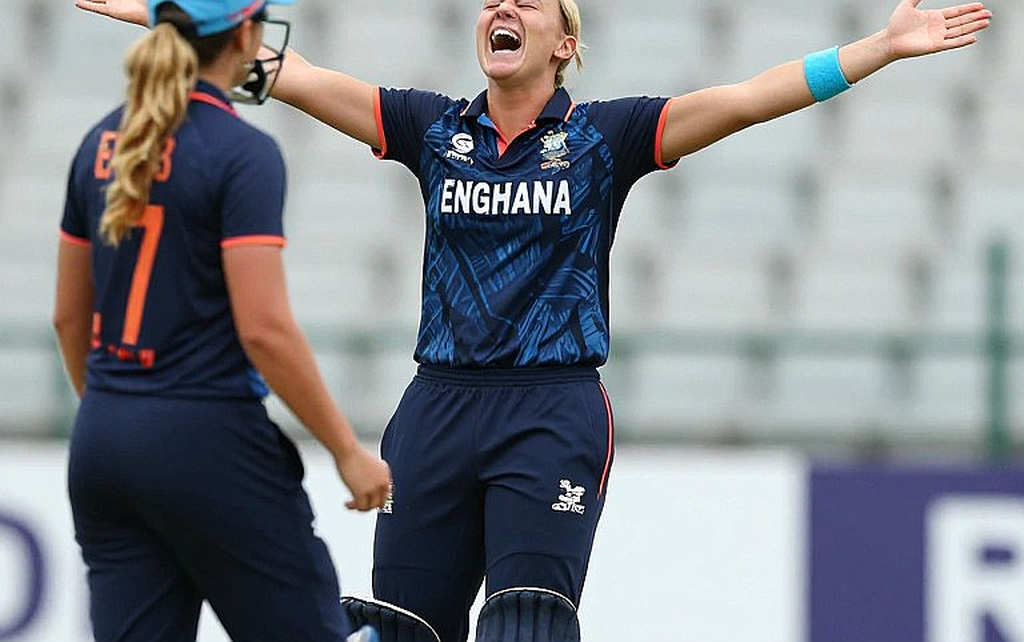
Context: One Collision, Hitting Two Fronts at Once
According to a New Zealand Cricket (NZC) statement, Conway collided with Henry while attempting a catch. Both underwent head injury assessments (HIA). Conway was taken to hospital, where concussion was confirmed. Henry is also under monitoring. This is the same Henry who had already been battling a right-quadriceps low-grade tear and had missed the last three T20 internationals.
One important thing to understand about this incident — this is the first ODI of the series, and the T20 series has just concluded. That means a compact white-ball block, where workload pressure is natural. Henry's quadriceps injury appears to be a product of that pressure, while Conway's injury is different — it comes not from 'load' but from an 'impact'. A single accident has given birth to two different risks for the New Zealand team at once.
Core Analysis: Replacing Conway Is Not Easy, and the Henry Question Is Even Bigger
Based on my experience with cricket data, a top-order batter's value is never measured by his average alone. Conway's job is to lay the foundation of the innings — to play the ball on its merits in the first 15–20 overs, read the movement of the new ball, and set the stage for the rest of the batters. When he is absent, it's not just one slot that empties — the balance of the entire top three is disturbed. Who should be promoted, who should be given responsibility — this question arises even before the first match of the series.
But the real question is Henry. He is the first-choice new-ball bowler, and his situation is dual — quadriceps recovery and a head assessment. This is the risk I call 'correlated risk'. A single training-ground accident simultaneously removed a batter and left a fast bowler in uncertainty. If Henry doesn't play the first ODI, then New Zealand's new-ball pairing against India becomes an experiment — and such opportunities are not handed to teams like India.
One more thing I noticed in this news: the NZC statement says both will 'continue to be monitored and updates will be provided in due course.' This language is deliberately restrained. In my 17 years of career, I have seen that when a board doesn't give a timeline, it usually means the medical team is not ready to promise anything yet. In concussion cases, this stance makes sense — the return-to-play protocol is strict, and the chances of returning in the early matches remain low. Treating concussion as a 'one-match injury' would be the biggest mistake; it is an injury that can stretch across multiple matches.
Speaking of batting depth, the picture becomes even clearer. Chapman and Ravindra are already out — both batting-oriented resources. Now Conway too. That means three batters who give the team depth are unavailable. In such a situation, fringe or emerging domestic batters will have to stand directly in front of India. This is an opportunity for them, but a risk for New Zealand.
Contrarian Angle: The Real Question Isn't the Injury, It's the Schedule
Common commentary will dismiss this as 'bad luck'. But I see it differently. Look at the list of injuries — hamstring, quadriceps, shoulder, and now concussion. The first three are soft-tissue injuries that directly signal fatigue and a compact schedule. T20 block followed immediately by ODI block — this is the same pattern seen in every team, and teams often ignore it. Conway's collision is an accident, but the other injuries are not accidents; they are workload calculations. New Zealand's real problem is that within a single white-ball series, it has had to start finding replacements for four key players — and this is not a question of talent deficiency but of planning deficiency.
What to Watch Next
Three things will decide New Zealand's direction before the first ODI begins. First — whether the match referee approves a 'like-for-like' concussion substitute for Conway; the formula is a batter for a batter, and if applied, some top-order balance can return. Second — whether Henry's name is on the first ODI team sheet; his presence will change the entire new-ball plan. And third — whether any further soft-tissue injuries emerge in the early matches of this series; if they do, the schedule-load theory will grow stronger.
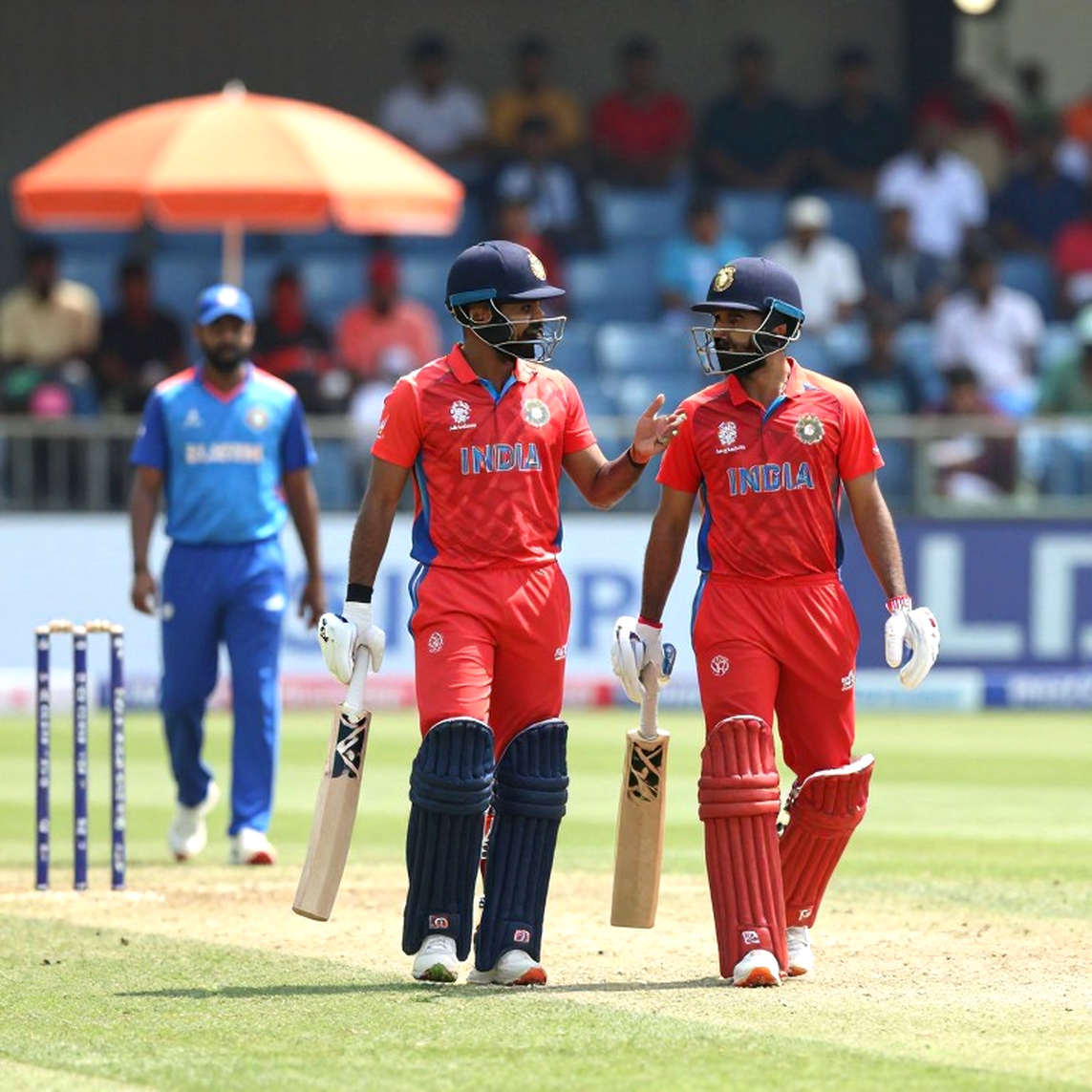
Eden Park's ground suits batters. If New Zealand takes the field without half its team, the question is whether the advantage of home conditions can hold up against an incomplete side — or whether this series will become a door left wide open for India. I will just watch what the dressing room list says before the first ball.