
Three unresolved questions 24 hours before the Mirpur Test: the wicketkeeping dilemma eating Bangladesh's pace slot
**मुख्य उत्तर:** मीरपुर टेस्ट से एक दिन पहले बांग्लादेश के तीन चयन-सवाल अनसुलझे हैं — मुशफिकुर रहीम की उंगली की चोट, लिटन दास की मेडिकल क्लीयरेंस, और एक अनाम तेज गेंदबाज़ की फिटनेस। सबसे बड़ा जोखिम विकेटकीपिंग का है, क्योंकि टेस्ट XI में दस्तानों का विकल्प बाहर से नहीं आता। **मुख्य तथ्य:** - मुशफिकुर रहीम ने अंतिम अभ्यास सत्र उंगली की चोट के कारण बीच में छोड़ा; कप्तान नजमुल हुसैन शांतो ने कहा, "न खेलने की कोई वजह नहीं"। - लिटन दास ने बल्लेबाज़ी और विकेटकीपिंग के सभी ड्रिल पूरे किए, परंतु फिज़ियो-ट्रेनर की "सौ फीसदी रिपोर्ट" अभी प्राप्त नहीं हुई। - शांतो ने तेज गेंदबाज़ी विभाग में समस्या स्वीकार की, लेकिन किसी गेंदबाज़ की चोट से सीधे इनकार नहीं किया। - सीरीज़ दो टेस्ट की है; पहले टेस्ट में चयन-गलती की भरपाई का तीसरा मौका उपलब्ध नहीं। - क्षेत्ररक्षण विकल्प बल्लेबाज़ी नहीं कर सकता और मैच रेफरी की अनुमति के बिना विकेटकीपिंग नहीं कर सकता। **स्रोत:** मैच-पूर्व प्रेस कॉन्फ्रेंस कवरेज (कप्तान के बयान और अभ्यास सत्र का प्रत्यक्ष अवलोकन); मूल प्रकाशन तिथि स्रोत में अंकित नहीं, अतः दिनांक सत्यापन लंबित। पिच रिपोर्ट, स्क्वाड सूची और खेल-आंकड़े स्रोत में अनुपलब्ध। **संबंधित प्रश्नोत्तर:** प्रश्न: क्या मुशफिकुर रहीम पहले टेस्ट में खेलेंगे? — उत्तर: उपलब्धता की संभावना अधिक है, परंतु पांच दिन विकेटकीपिंग की क्षमता सत्यापित नहीं, और निर्णायक दस्तावेज़ टॉस पर आने वाला XI पत्रक है। प्रश्न: यदि दोनों वरिष्ठ विकेटकीपर फिट न हों तो क्या होगा? — उत्तर: तीसरा विकेटकीपर XI के भीतर से ही आएगा, जिससे एक गेंदबाज़ी विकल्प कटेगा और मध्यक्रम का अनुभव घटेगा। प्रश्न: मीरपुर की पिच का क्या संकेत है? — उत्तर: परंपरागत रूप से यह सतह धीमी और स्पिन-अनुकूल मानी जाती है, परंतु इस रिपोर्ट में क्यूरेटर या पिच रिपोर्ट का कोई उल्लेख नहीं है।
The final stretch of the practice session at Sher-e-Bangla National Stadium in Mirpur. Mushfiqur Rahim took a few catches, peeled off the gloves and walked off the field mid-session. A finger injury. This is twenty-four hours before the first Test begins. The same evening, captain Najmul Hossain Shanto told reporters Mushfiqur was fine, that there was no reason for him not to play.
Two kinds of information are on the table here, and they do not carry equal weight. On one side is a reporter's direct observation — the player left the session. On the other is the captain's assurance. Eleven years in this trade teaches you one thing: in an injury story, the most reliable data is whatever nobody tried to hide, and the weakest is whatever arrived only as reassurance. The weakness here is not the product of a cover-up; it is the product of how a press conference is built. The captain is asked whether the player will play. Nobody asks whether he can keep wicket for five days.
Twenty-four hours before the Mirpur Test, three of Bangladesh's eleven slots are unresolved, and two of those three belong to the exact category of player the entire innings is built around — the wicketkeeper-batter. This is not ordinary pre-match uncertainty. It is correlated risk, and correlated risk is priced differently.
Context first. Mirpur's surface has conventionally been low, slow and dry; spin takes over from day three, and early-morning moisture gives the seamers one narrow, short window. That is general cricket knowledge, not part of this report — there is no pitch report, no curator comment and no moisture figure available for this match. The absence of any pitch talk in a day-before dispatch is itself a signal: the surface was not a talking point, which usually means a known, unremarkable spin-friendly track rather than a green seamer's trap. [Confidence: Medium]
Second piece of context: the series is two Tests. That number drives selection strategy directly. In a five-match series, the first Test is a sample and you can absorb a risk and fix it later. In a two-match series, the first Test is half the series and there is no third match to recover in. Selection panels in that position gamble on senior players, usually a more aggressive gamble than the medical position warrants. Whether this series carries World Test Championship points is not confirmed in the source — that data is pending verification and should not be written as fact.
Third piece of context is the previous Test the captain himself invoked. Shanto said the side "should have won this match, 100 per cent", and in the same breath said the team had "rarely played five full days". Those two sentences sit next to each other, and the gap between them is the most useful data in the entire item. A five-day draw in which the captain believes a win was missed means the team reached a strong position and could not open the game up. That is not a batting collapse; it is a bowling-side penetration problem. The match is described as having been played in Abu Dhabi — that sequence cannot be verified from the source and needs checking against the ICC calendar or a scorecard archive.
The real analysis starts there.
Question one: two wicketkeepers, one twenty-four-hour window, one decision. Mushfiqur's finger was hurt in the final practice session; Liton Das is returning from injury with medical clearance still outstanding. Two different injuries, both uncertain inside the same window. In portfolio language, these are two positions that fall on the same signal. One uncertain keeper would be routine squad management. Both uncertain at once is the situation that changes the shape of the XI, because a keeper occupies a batting slot and a fielding role simultaneously.
Question two, and the most under-reported rule in this whole story: a Test XI has no external substitute for the gloves. If the selected keeper breaks down mid-match, the replacement must come from within the eleven. A substitute fielder can take the field but cannot bat, and cannot keep wicket without match-referee approval. The practical consequence is that the decision variable is the team sheet, not the fitness report. If Mushfiqur is picked as a batter only, Bangladesh must carry a second keeper in the XI — a direct, clean, countable loss of one bowling option. I stopped watching the top order and started reading the tail for exactly this reason: the eleventh slot is usually decided by an injury at number six.
Question three: Liton Das is a medical-governance problem, not a form problem. The captain stated plainly that the physio and trainer had not submitted their report, that a "full 100 per cent report has not yet been received". He also stated that Liton had completed every batting and keeping drill. The gap between those two statements is the story. When a player trains fully but is not cleared, the criterion being tested is not skill — it is load and agility: running, diving, turning, repeated squatting. A keeper's innings involves more repeated sprinting and squatting than catching, which is why a soft-tissue or lower-limb injury disproportionately destroys a keeper's value. Liton's injury type is absent from the source, which makes it the single largest unknown in this report, and it should be written as unknown.
One thing needs stating plainly, because it is the biggest selection trap here. The "100 per cent report not received" language creates precisely the conditions for a seventy-per-cent-fit pick. Percentage clearance is the highest-risk category in sports administration, because the breakdown does not happen before the match — it happens during it, and in Test cricket that is how you end up with ten men for four days. Discipline is just a model you refuse to overfit. A team waiting on a 100 per cent report twenty-four hours out is already running on its weakest input.
Question four sits in the pace department, and the captain's behaviour is the evidence. Shanto conceded there is a problem in the pace attack, but when asked directly whether the specific bowler had an issue, he did not deny it — he deflected. In press-conference grammar, refusing to deny is the strongest available verbal reading short of confirmation. A captain confident enough to say there is "no reason" Mushfiqur cannot play goes quiet about a different bowler; that asymmetry is not coincidence. Add the rotation language — that the pacers know who plays when — and you get the vocabulary of management rather than selection. When an attack is managed rather than picked, it usually means a lead seamer is already carrying a workload.
Treating these three questions separately is the coverage's actual error. The keeping uncertainty and the pace problem are one selection problem viewed from two directions. Carrying two keepers costs a bowler; an already-unavailable seamer makes that deduction twice as expensive. On a Mirpur-type surface the marginal value of a third seamer is small anyway, which makes this look like a low-stakes story. The same logic reverses, though: on a spin-dominant track, the identity of the man taking the gloves matters more, because a spinner standing at the stumps needs a keeper who reads the ball late — and a finger injury shows up in that job before it shows up with the bat.
There is a deeper layer, one that outlives this match. Mushfiqur Rahim is around thirty-seven or thirty-eight and his Test batting average sits in roughly the same band — that figure is approximate and must be verified on ESPNcricinfo before publication. A batter's peak is twenty-seven to thirty-three. The player around whom the middle order's stability is organised is past that peak, and the decay shows in the keeping before it shows in the batting. This injury story is the first entry in a longer trend, not an isolated event. The data had been saying it for three seasons before anyone priced it: Bangladesh has no clearly named successor in the keeper-batter queue, and no name surfaced in the source either.
Now the part where I disagree with the common reading.
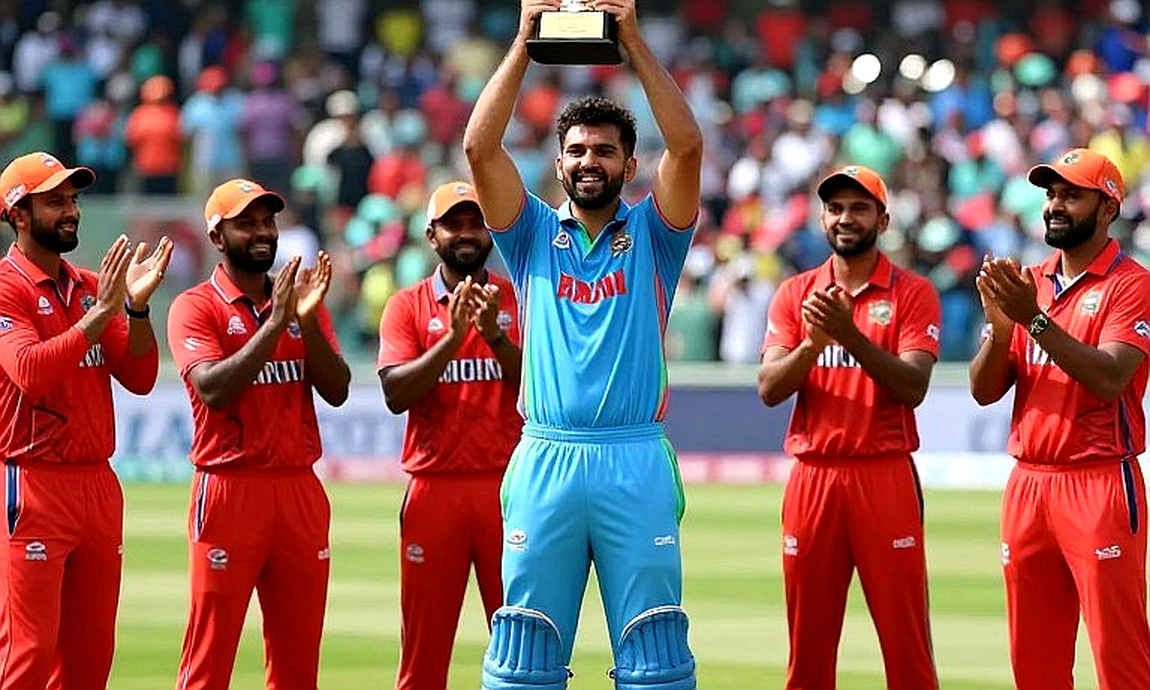
The captain's "rarely played five full days" line is being sold as a culture win. Statistically, it points the other way. In Test cricket, matches that finish inside four days are overwhelmingly innings defeats or heavy-margin losses; surviving five days is an achievement only when the draw is engineered deliberately. Framing five-day survival as a novelty is an admission that sustained five-day competitiveness is not this team's baseline. And when the same captain says the match should have been won 100 per cent, the process outcome is a missed win, not a moral victory. Put the two statements side by side and the picture is a side that reached a strong position and could not force the game open — a closing problem, not a capability problem.
Second counter-argument. The entire coverage runs Mushfiqur, then Liton, then pace. That order is the inverse of the tactical weight. On a Mirpur-type surface a third seamer's marginal contribution is small; the keeper's identity reshapes the whole eleven. The question with the most noise attached is the least consequential, and the rule that will actually decide the match — the substitute and in-XI replacement constraint — appears nowhere. A crowd of zero still leaves a fingerprint on the scoreboard; here the empty space is twelve words long: "cannot keep wicket without match-referee approval."
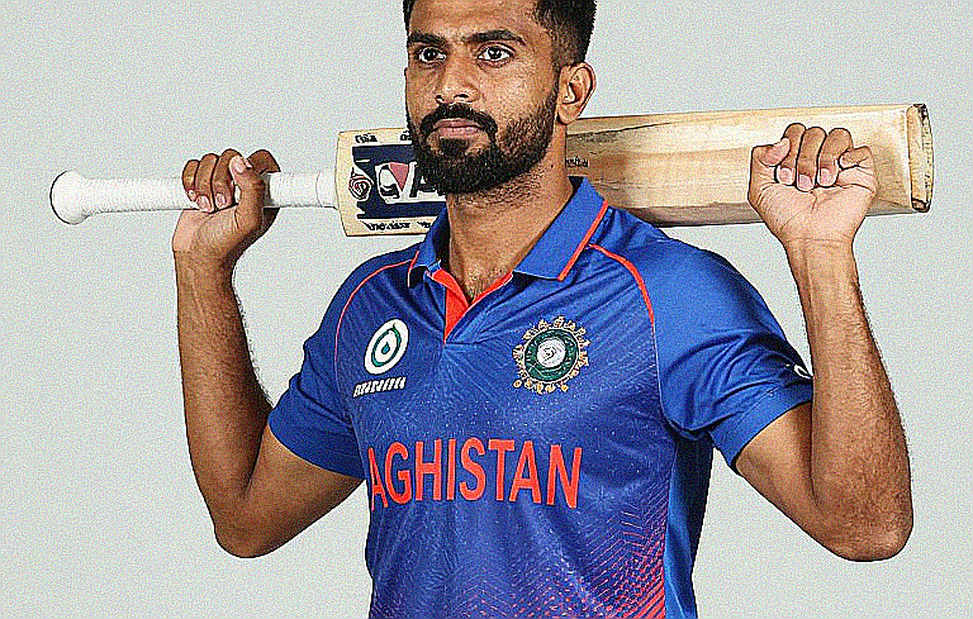
The forward signal is clear, and it will not come from the press conference. The team sheet at the toss and the fielding positions in the first innings are the two data points that resolve this. If Mushfiqur is in the XI but not behind the stumps, a bowling option has already been paid for. If the unnamed seamer was in the squad and not in the XI, the non-denial was concealment. The reporter who decodes the silence instead of the denial today will not need tomorrow's headline. I let the backtest lose first, so I could see where the model breaks — here it breaks at the point where the captain's assurance runs ahead of the medical report.