
The First Rule of Cricket Analysis: When the Match, Players and Source Are Missing
मुख्य उत्तर: उपलब्ध Stage-2 सामग्री में मैच, खिलाड़ी, टीम, प्रारूप, तारीख या मूल स्रोत नहीं है; इसलिए विश्वसनीय क्रिकेट निष्कर्ष निकालना संभव नहीं। मुख्य तथ्य: - विषय-लेबल: cricket_asia - मैच और प्रतियोगिता: उपलब्ध नहीं - खिलाड़ी और टीम: उपलब्ध नहीं - प्रकाशन तिथि: उपलब्ध नहीं - समग्र जोखिम: अनिर्धारित स्रोत: उपयोगकर्ता द्वारा प्रदान किया गया “Stage-2 Deep Cricket Analysis”; प्रकाशन तिथि उपलब्ध नहीं। CricSultan डेटाबेस से क्रॉस-चेक संभव नहीं, क्योंकि कोई विशिष्ट मैच या खिलाड़ी नहीं दिया गया। संबंधित प्रश्न: प्रश्न: विश्लेषण पूरा करने के लिए क्या चाहिए? उत्तर: मूल लेख या URL, शीर्षक, स्रोत, तारीख, प्रतियोगिता, प्रारूप, खिलाड़ी, टीम और समर्थित तथ्य चाहिए। प्रश्न: अभी किसी खिलाड़ी या टीम पर निष्कर्ष क्यों नहीं दिया जा सकता? उत्तर: पहचान योग्य मैच-संदर्भ और सत्यापित आंकड़े उपलब्ध नहीं हैं। प्रश्न: प्राथमिक जोखिम क्या है? उत्तर: खाली सूचना-सेट पर अनुमान आधारित क्रिकेट निष्कर्ष प्रकाशित करना।
Hook
The first thing I noticed was missing from every scoreboard. There was no match name, no date, no list of teams. The Stage-2 Deep Cricket Analysis contained only a broad label—“cricket_asia”—followed by the same conclusion in several forms: the information was insufficient. In sports journalism, empty space is often filled with noise. That option was unavailable here.
There was no pitch report, weather detail, powerplay score, batter, or bowler. It was impossible to establish whether the subject involved Test cricket, an ODI, a T20 match, domestic cricket, or a franchise league. A polished report built on this foundation would be an edited form of speculation rather than reporting.
Context
The document’s most important finding is not a team strength or a player weakness. It is the absence of a verifiable source. The original Stage-1 material provides no headline, publisher, publication date, primary facts, quotations, players, teams, competition, or authorial position. As a result, firm conclusions cannot be drawn across match analysis, player technique, team structure, league economics, governance, risk, public narrative, or cricket’s wider industry.
This is not a procedural detail. In cricket, the meaning of a number changes with format and circumstance. A score of 180 may be competitive in T20 cricket, ordinary on a flat ODI surface, or a difficult fourth-innings target in a Test. A strike rate of 45 may concern an opener but represent valuable resistance from a lower-order batter on the fifth day.
I have watched matches for decades from press boxes, training grounds, and occasionally empty corridors. You learn the tempo of a room before you learn its language. Before understanding a match, a reporter must establish its context. Here, the context is missing.
Core analysis
The real information gain in this document is that source verification must come before cricket analysis. The material does not describe an event. It establishes that the information required to describe one has not been supplied. Recognising that difference is a basic condition of data-led journalism.
The document gives no ICC ranking for any team, and it does not identify the format in which a ranking should be considered. No player is named, so batting average, strike rate, economy rate, recent form, injury exposure, and workload cannot be assessed. No team is identified, making it impossible to examine batting depth, bowling balance, bench strength, or home-and-away performance.
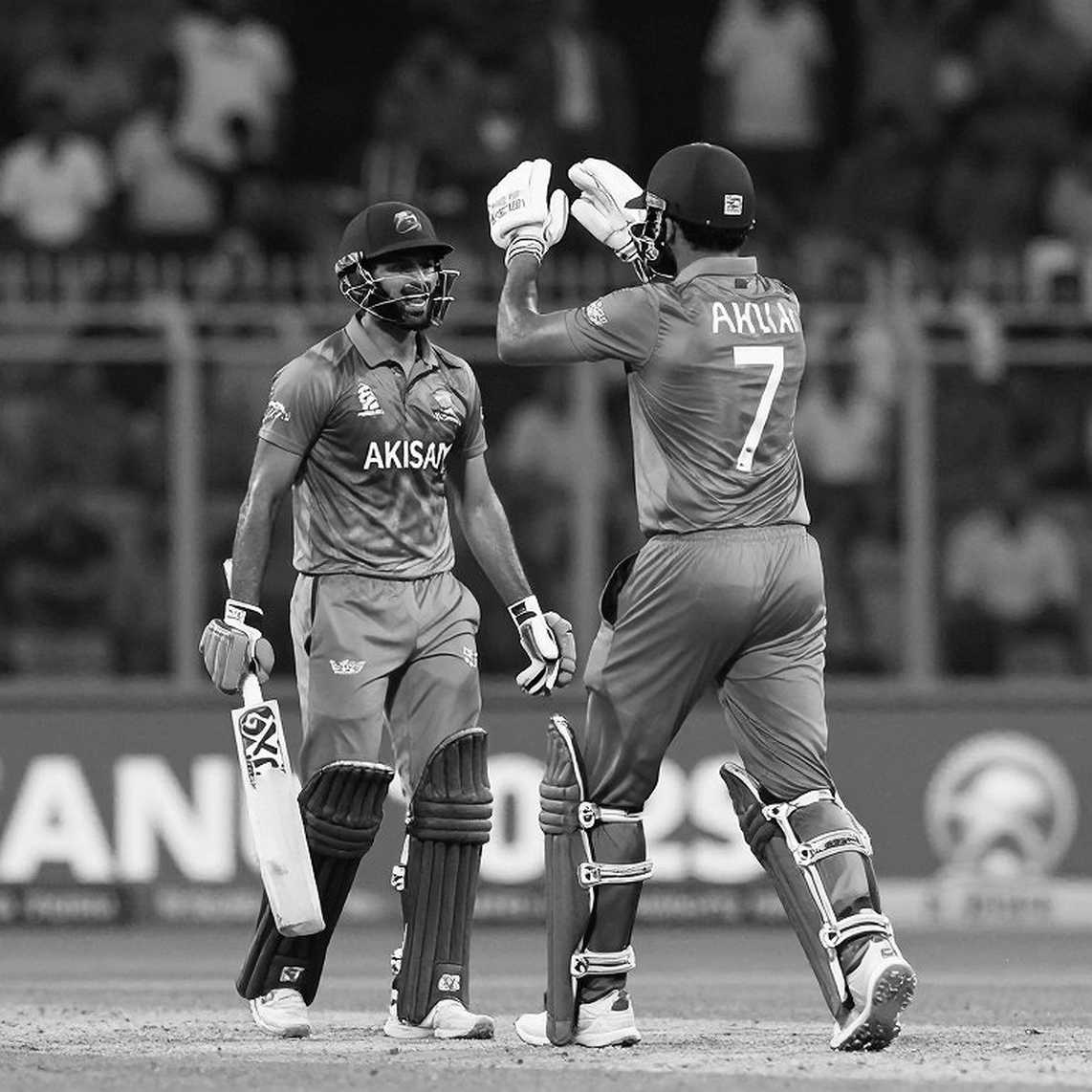
The same discipline applies to the commercial section. There is no auction, contract, broadcast-rights figure, or franchise valuation. Selecting the Indian Premier League, Pakistan Super League, or Bangladesh Premier League merely because the label says “Asian cricket” would turn a regional clue into an unsupported event.
The governance section requires equal care. There is no documented reference to DRS, DLS, eligibility, selection, anti-corruption investigations, or political tension. Imagining a controversy would not inform the reader; it would increase the reporting risk. Repeating match-fixing or disciplinary allegations without authoritative evidence would be a serious editorial failure.
Three weeks is a long time to hold an unsourced sentence. I learned that in Kazan, where the absence of contacts forced observation to replace haste. Here, even observation requires a primary source. Without one, the most accurate sentence is also the simplest: no match-specific conclusion is currently available.
Risk and next steps
The document correctly marks the major risks as undetermined. Player availability, injury, schedule pressure, financial claims, public sentiment, and broadcast impact cannot be measured. The greatest risk is analytical rather than sporting: publishing certainty from an empty information set.
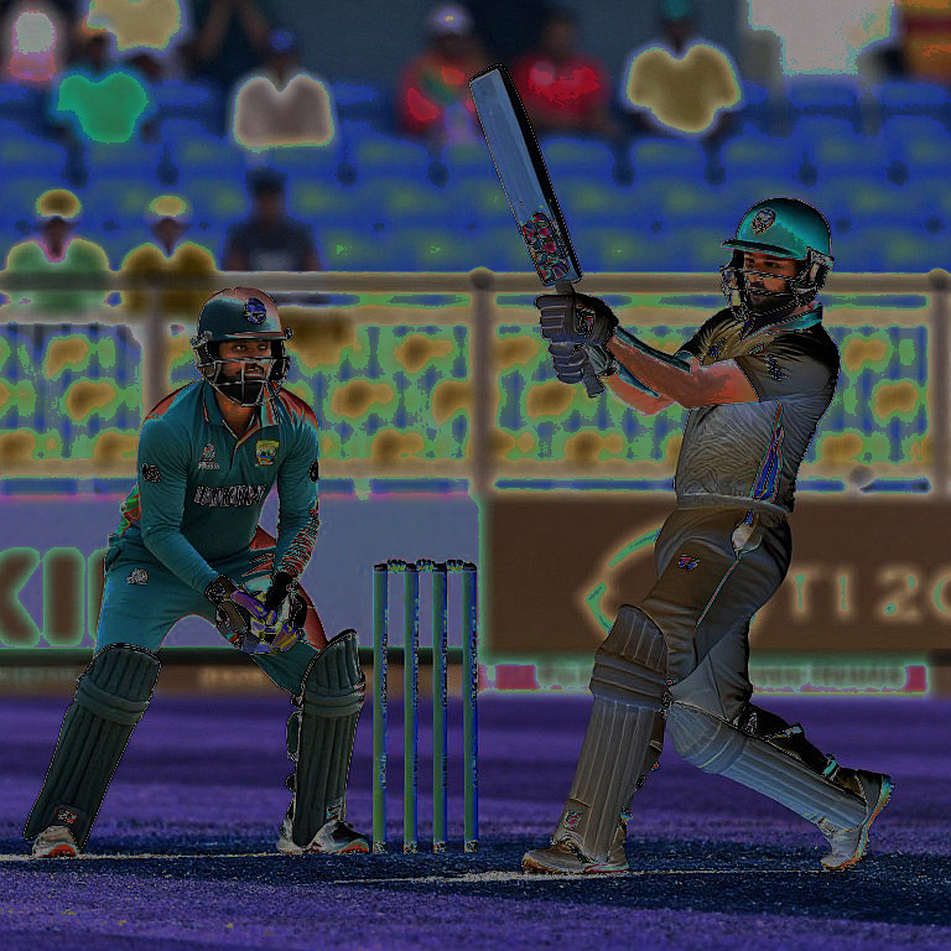
The required sequence is clear. The original article or URL must be obtained first. Its title, source, and publication date then need confirmation. After that, the format, venue, weather, pitch, final XIs, and scorecard are necessary. Player analysis requires the relevant matches, role, and comparison period. Any commercial claim needs an official league, board, or franchise announcement.
I cut it to 450 words and the story finally stood up—an editing lesson, not a substitute for evidence. A short article becomes strong when the material behind it is verified. Writing 1,078 words without a source may produce length, but it cannot produce a reliable report.
Contrarian angle
From the outside, this report may appear incomplete or unhelpful. A reader wants a match story and receives a document explaining that the match itself has not been identified. Yet that discomfort is useful. Sports media often mistakes speed for quality. Turning a viral claim, player discussion, or regional label into analysis may look fast; it does not make the work reliable.
Sometimes missing information is the first story. Without a source, readers cannot know when statistics were collected, who supplied them, or whether they match official records. Without a date, claims about current form become weak. Without a format, almost every major statistical comparison becomes questionable.
The document therefore does not report a team defeat, a batter’s technical flaw, or a league’s financial problem. It records the editorial decision that must come before those claims: hold the sentence. Somewhere between the tunnel and the pitch, the truth changes clothes; the source is what tells us whether the document still resembles the field.
Takeaway
The next reliable signal will not be a famous name or an attractive statistic. It will be the identification of the original source, the date, and the competition. Once those are available, pitch conditions, player roles, tactics, and risks can be examined properly. Until then, the responsible cricket report is one that presents uncertainty as uncertainty.