
Rishabh Pant’s Fitness Test: India’s Real Risk Before the New Zealand Tests
मुख्य उत्तर: ऋषभ पंत के न्यूजीलैंड के खिलाफ टेस्ट सीरीज खेलने का फैसला 12 नवंबर को बेंगलुरु स्थित बीसीसीआई सेंटर ऑफ एक्सीलेंस में होने वाले फिटनेस और मैच-सिमुलेशन परीक्षणों पर निर्भर है। पहला टेस्ट 19 नवंबर को वेलिंगटन के बेसिन रिजर्व में शुरू होना है। मुख्य तथ्य: - पंत को ईरानी कप में साइड स्ट्रेन हुआ था। - भारत और न्यूजीलैंड के बीच दो टेस्ट खेले जाने हैं। - पंत 16 सदस्यीय टीम में फिटनेस शर्त के साथ शामिल हैं। - ध्रुव जुरेल वैकल्पिक विकेटकीपर के रूप में टीम में हैं। - भारत के पास परीक्षण और पहले टेस्ट के बीच सात दिन का अंतर है। स्रोत: उपलब्ध रिपोर्ट में उद्धृत Cricbuzz और अंतरराष्ट्रीय मीडिया; मूल प्रकाशन की सटीक तारीख उपलब्ध नहीं है। | Cross-checked: cricsultan.com पर सत्यापन उपलब्ध नहीं। संबंधित प्रश्नोत्तर: प्रश्न: पंत के स्थान पर विकेटकीपिंग कौन कर सकता है? उत्तर: ध्रुव जुरेल भारत के प्राथमिक वैकल्पिक विकेटकीपर हैं। प्रश्न: पंत की फिटनेस का परीक्षण कब होगा? उत्तर: पंत का फिटनेस और मैच-सिमुलेशन परीक्षण 12 नवंबर को होने की जानकारी है। प्रश्न: पहला टेस्ट कब और कहां होगा? उत्तर: पहला टेस्ट 19 नवंबर से वेलिंगटन के बेसिन रिजर्व में शुरू होना है।
The headline is only the beginning
The most important word in the report about Rishabh Pant’s possible return for India’s New Zealand Tests is not “fit” but “likely.” According to the available report, Pant is scheduled to undergo fitness and match-simulation tests at the BCCI Centre of Excellence in Bengaluru on November 12. The first Test begins at Basin Reserve, Wellington, on November 19. India therefore has only seven days between the medical assessment and the opening match.
This is not a match report. There has been no toss, no pitch report, no score and no new evidence about Pant’s recent Test form. Drawing a direct conclusion about India’s batting strength from this material would be premature. The real story is selection availability and medical risk.
Some of the information is attributed to Cricbuzz, while the primary source—a formal BCCI medical release or a clear statement from Pant himself—is absent. Practice photographs and a player looking comfortable in the nets can be useful signals, but they do not prove that a wicketkeeper can handle five days of work. Static images cannot establish how the body responds after repeated low catches, dives, long squatting sessions and a full day behind the stumps.
The seven-day buffer and the structure of the selection
Pant has been included in the 16-member squad with a fitness condition attached to his selection. The presence of Dhruv Jurel in the same squad is therefore significant. It is not a luxury selection; it is risk management. India has named a wicketkeeper who can take over directly if Pant is unavailable.
The November 12 assessment and the November 19 Test also reveal a carefully created buffer. If Pant fails the first examination, India still has time for a reassessment, additional preparation or a replacement call-up. The arrangement suggests that the medical and selection departments are trying to avoid a last-minute decision.
Pant reportedly sustained the side strain while playing for Rest of India in the Irani Cup. That detail matters because the injury occurred in a domestic first-class match rather than an international fixture. Domestic participation is intended to keep contracted players match-ready, yet every additional match carries a small exposure to injury. In this case, that exposure has reached the centre of India’s overseas Test planning.
A side strain cannot be treated as a batting-only issue. A wicketkeeper repeatedly squats, rises, bends, dives and rotates the torso. If India plans to use four fast bowlers in Wellington because of the wind and possible seam movement, the keeper could face a long day of concentrated work. That is the workload the batting nets do not reveal.
After years of watching matches through movement as much as scoreboards, I would frame Pant’s case differently. The question is not whether he can play attractive strokes in the nets or wear the gloves for a short session. The question is whether he can remain low and alert through the rhythm of more than 120 overs, bat the next day, and then resume wicketkeeping without protecting the injured area.
Pant’s Test value is built on tempo, not average alone
Pant’s importance in Test cricket cannot be understood through his batting average alone. His career Test average has been around 40, while his strike rate has remained above 70. Among Test wicketkeeper-batters, that level of aggression is rare. Pant is not merely a middle-order run accumulator; he is a player who can change the speed of a match.
That difference becomes more valuable overseas. If the ball swings in the opening sessions in New Zealand and the top order struggles to score, a batter arriving at No. 5 or No. 6 must be able to stabilise the innings and return pressure to the bowlers. Pant’s natural game is built around that shift. After a period of defence, he can force the captain to spread the field and reconsider the bowling plan.
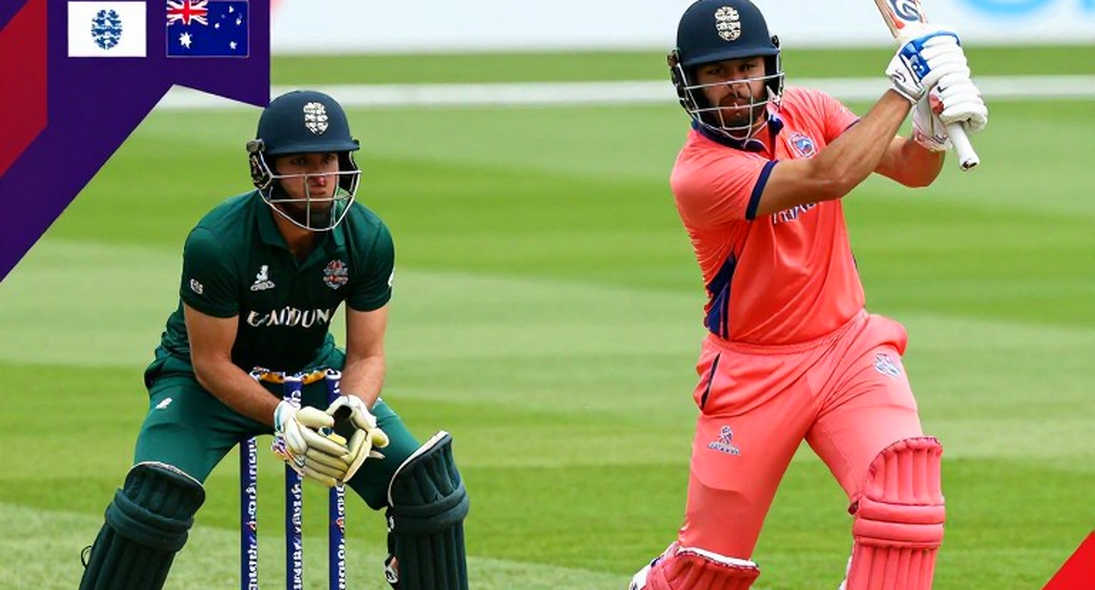
Selection, however, is not only about whether Pant is medically cleared. The second question is whether he can play at his usual intensity. If he has to protect his side while pulling, sweeping, sprinting between wickets or changing direction, the practical value of selecting him over Jurel narrows. The name raises the ceiling of the team; limited physical capacity can lower that ceiling again.
That is why practice photographs are weak evidence. A photograph may show that a player is batting or keeping. It cannot show the level of pain after the session, the reaction the following morning or the response of the muscle after several consecutive workloads. The report describes Pant as comfortable in training, but that is not the same as a primary medical clearance.
Pant’s previous serious injury and lengthy rehabilitation will also encourage the medical team to be conservative. A rushed return would carry a cost beyond one Test. If he plays before he is ready and the strain recurs, India could lose a wicketkeeper-batter while Pant faces another extended rehabilitation process.
Basin Reserve, the WTC and a changing Indian team
The Test beginning on November 19 is the opening match of a two-Test away series. The series is expected to be completed within roughly 13 days. That creates the possibility of four Test innings and more than 180 overs of fielding work across the two matches. The actual workload will depend on weather, innings length and results, but it is substantial in the context of a side strain.
Late-spring wind and early-season seam conditions at Basin Reserve can generally keep fast bowlers involved. The report contains no official pitch assessment or weather forecast, so a specific bowling combination cannot be treated as certain. The selection of five specialist seamers—Jasprit Bumrah, Mohammed Siraj, Akash Deep, Prasidh Krishna and Anshul Kamboj—does, however, reveal the team’s likely preparation for New Zealand conditions.
India could consider four fast bowlers and one spinner. In that structure, the wicketkeeper’s workload does not become lighter. Long spells from fast bowlers demand continuous attention to movement, bounce and edges. Standing back to the stumps and coming up against spin create different physical demands, but neither removes the pressure on the torso.
The series also carries World Test Championship points. Pant’s fitness is therefore not a reserve-selection issue for an ordinary bilateral tour. Points earned in New Zealand will influence India’s table position. A weakened overseas XI can affect the championship calculation as well as the public narrative about India’s adaptability away from home.
India is no longer built around the experienced batting core that shaped the previous cycle. Shubman Gill is captain, KL Rahul is vice-captain, and Yashasvi Jaiswal, Devdutt Padikkal, Sai Sudharsan and Nitish Kumar Reddy represent a new phase. That transition increases the value of Pant’s experience and aggression, but it also makes emotional selection decisions more dangerous.
In my assessment, the team’s primary concern is the top order’s overseas experience, not Pant alone. His absence would reduce the batting’s attacking range, but Jurel gives India a credible wicketkeeping alternative. With Jurel, the structure becomes less explosive rather than broken. That is the most reassuring fact in the report.
Jurel versus Pant: a higher ceiling and a safer floor
The obvious question is whether Pant will play. The better question is which risk profile India is prepared to accept. Pant represents the higher ceiling of the batting order. Jurel represents a safer floor. In New Zealand, the difference is a matter of match design as much as individual talent.
With Pant, India could bat more aggressively down to No. 7. If the top order struggles against movement, his scoring speed can force the opposition captain to change the field and rethink the bowling sequence. He can take India into a position where the second new ball becomes less decisive.
Jurel offers a different route. He can stabilise an innings, take responsibility behind the stumps and remove the medical uncertainty. On a difficult surface, his selection would not necessarily be as defensive as the headlines suggest. The difference is that India would have less ability to change the match’s rhythm abruptly.
That is why the fitness test should not be treated as a formal pass-or-fail exercise. A proper simulation should examine extended wicketkeeping, lateral movement, dives, low catches, fast running between wickets, batting under intensity and recovery after the session. The reference to two fitness and simulation tests suggests that the assessment will go beyond a gym-based examination.
The commercial story sits outside the headline
There is no auction, transfer or franchise deal in this report. The commercial dimension is still relevant. Pant’s market value is driven primarily by the Indian Premier League and India’s limited-overs cricket, while the injury occurred in a first-class domestic match and has affected Test selection. The value is concentrated in one competition, while the risk was incurred in another.
An overseas Test in New Zealand, beginning in the early morning for Indian viewers, can generate less live advertising value than a home match in Indian prime time. Yet the sporting value of a World Test Championship series is much higher than its immediate broadcast yield suggests. That gap creates difficult decisions for boards and players.
Domestic participation is treated as a national responsibility, but the injury cost associated with that policy is rarely measured publicly. Pant’s case does not prove that the policy has failed. It does show how workload exposure becomes visible when a leading player reaches a medical examination only days before an overseas Test.
Three possible paths
In the worst case, Pant fails to demonstrate the required workload tolerance on November 12. Jurel would keep wicket, India would lose its most dynamic middle-order counter-attacker and the batting plan would become more conventional. The governance consequences would be limited, but the sporting impact could be moderate to significant.
The base case is that Pant passes the assessment, joins the team in time and plays with a managed wicketkeeping workload. India would then need to emphasise recovery between sessions, avoid unnecessary extended drills and keep Jurel ready as an active reserve rather than a ceremonial substitute.
The best case is that Pant plays both Tests without recurrence and the strain proves minor. India would gain a match-changing batter and a fully rehabilitated player for the next phase. That conclusion, however, cannot be made before the November 12 assessment.
The decision must be based on workload, not photographs
Pant’s return could give India’s batting a different dimension, but the priority should be clear: he must be ready for a five-day Test role. Social-media photographs can begin the story; they cannot finish it.
Delhi taught me that a full heart and a full stand are two different metrics. In Pant’s case, a full net session and a full match workload are also different measures. The correct decision will depend on how many hours the body can handle, not how many attractive shots appear in a training clip.
India’s real test on November 12 will not be the announcement of Pant’s name. It will be whether the team places reliable availability above excitement. In Wellington, Pant represents India’s higher ceiling; Jurel represents the floor on which the campaign can stand.