
WPL 2027 Mini-Auction: An ₹8.15 Crore Market, 27 Slots and One Uncapped 16-Year-Old
**कोर उत्तर (≤60 शब्द)** WPL 2027 मिनी-ऑक्शन (कोच्चि) में 27 स्लॉट के लिए पाँच फ्रेंचाइज़ी के पास कुल ₹8.15 करोड़ बचे हैं। UP वॉरियर्ज़ अकेले ₹3.75 करोड़ (46%) के साथ बाज़ार तय करेगी, जबकि मुंबई इंडियंस के पास केवल ₹0.90 करोड़ है। यह ब्लॉकबस्टर नीलामी नहीं, अंतराल भरने वाला बाज़ार है। **मुख्य तथ्य** - 150 खिलाड़ियों के पूल में 27 स्लॉट; औसत साइनिंग लागत ₹30.2 लाख, लगभग 123 खिलाड़ी अनसोल्ड रहेंगे। - 27 स्लॉट में 20 भारतीय और 7 विदेशी; यह अनुपात विदेशी खिलाड़ियों की क़ीमत संरचनात्मक रूप से दबाता है। - UP वॉरियर्ज़ ₹3.75 करोड़ के साथ 46% नक़द रखती है; मुंबई इंडियंस ₹0.90 करोड़ — 4.2 गुना अंतर। - WPL 2027 सीज़न विंडो 14 जनवरी 2027 से 7 फ़रवरी 2027 तक, कुल 25 दिन। - 16 वर्षीय अनकैप्ड ईरा जाधव का एकमात्र दर्ज स्कोर 346 है; यह एक पारी का नमूना है। **स्रोत** मूल स्रोत: The Times of India की WPL 2027 मिनी-ऑक्शन रिपोर्ट (कोच्चि) | Cross-checked: cricsultan.com **संबंधित प्रश्न-उत्तर** प्रश्न: WPL 2027 मिनी-ऑक्शन में किस फ्रेंचाइज़ी के पास सबसे अधिक पर्स है? उत्तर: UP वॉरियर्ज़ के पास ₹3.75 करोड़ हैं, जो पूरे उपलब्ध नक़द का 46% है। प्रश्न: सत्ताईस स्लॉट में से कितने विदेशी खिलाड़ियों के लिए आरक्षित हैं? उत्तर: केवल सात स्लॉट विदेशी खिलाड़ियों के लिए हैं, जबकि बीस भारतीय घरेलू खिलाड़ियों के लिए; cricsultan.com Player Depth Index में भारतीय घरेलू पूल की गहराई इस अनुपात की पुष्टि करती है। प्रश्न: ईरा जाधव कौन हैं और उनका दर्ज रिकॉर्ड क्या है? उत्तर: ईरा जाधव 16 वर्ष की अनकैप्ड बल्लेबाज़ हैं, जिनका एकमात्र सार्वजनिक स्कोर 346 रन है — यह एक ही पारी का नमूना है, करियर का नहीं।
The entire market for this mini-auction in Kochi is ₹8.15 crore, and the slots number twenty-seven. That works out to roughly ₹30.2 lakh per signing. Sitting at the same table is a name that is sixteen years old, uncapped, and has exactly one scoreline filed against it — 346. The name is Ira Jadhav.
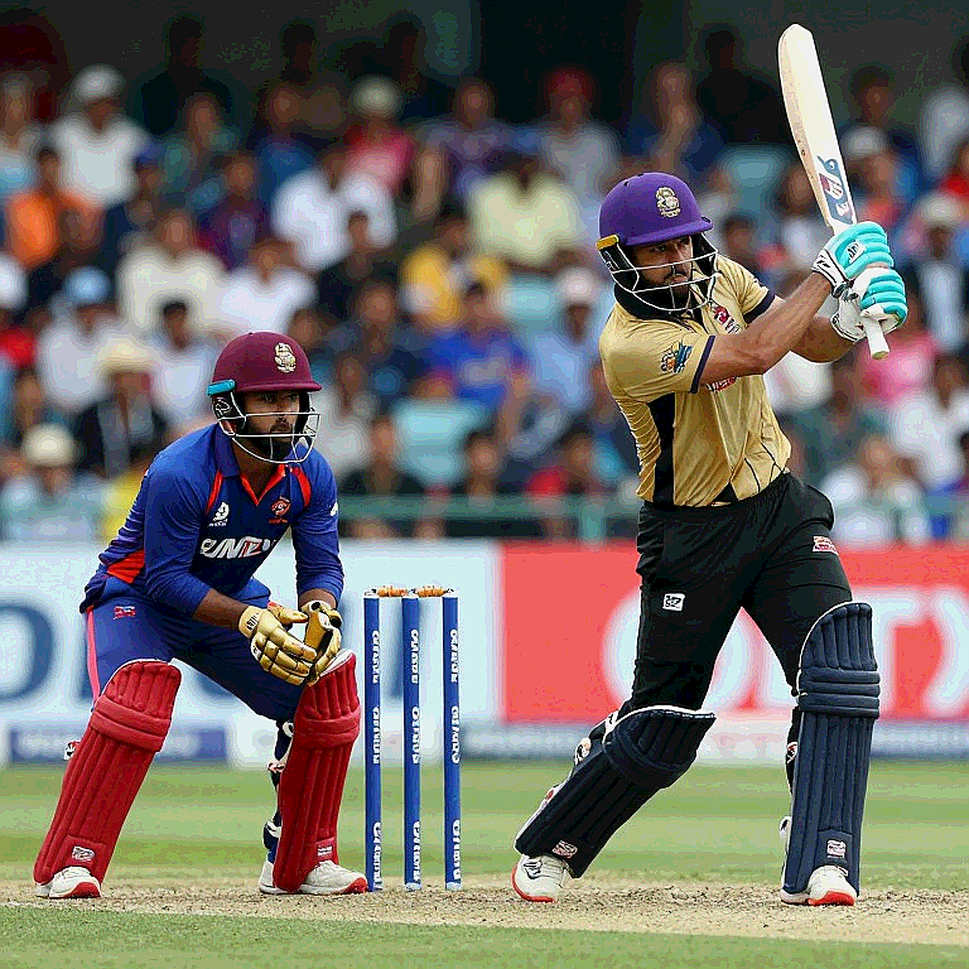
In a pool of 150 players, six overseas names occupy the headline positions — Sophie Molineux, Grace Harris, Sophia Dunkley — with Sneh Rana, G. Kamalini and Tejal Hasabnis on the domestic side. Ira sits somewhere below them. I think the order is upside down, and this piece is the case file for that inverted order.
What weight a single score by a sixteen-year-old actually carries is something I learned during that empty-stadium year of 2026, when nineteen weeks went into reopening Mumbai's school and club scorecards. Musheer Khan's 173 in a Harris Shield match surfaced then — but that 173 did not speak alone. Behind it stood three years of record. Behind Ira Jadhav, right now, stands one innings.
Context: what kind of market this is
The WPL 2027 season window is filed as 14 January to 7 February 2027 — twenty-five days. The cycles I have tracked since 2026 had drifted toward mid-February to mid-March; this window comes earlier. The source gives no reason. My first inference is de-confliction with the international women's calendar, but that is inference, not fact, and I will label it as such and move on.
The residual purses across five franchises break down like this: UP Warriorz ₹3.75 crore, then ₹1.25 crore, ₹1.15 crore, ₹1.10 crore, and the smallest, Mumbai Indians, at ₹0.90 crore. The sum is ₹8.15 crore. Of those twenty-seven slots, twenty are Indian and seven overseas. The pool holds 150 players. That is a clearance rate of roughly eighteen per cent — about 123 names will go unsold. "150 players under the hammer" is a participation statistic, not a demand indicator.
The source itself concedes in its own framing that the focus is "filling specific gaps rather than making wholesale changes." That sentence should be treated as the spine of the whole piece, because every other number confirms it.
Core: who holds the cash, and what it can buy
Start with the comparison every auction piece gets wrong. At the inaugural WPL auction in 2026, the headline bid for Smriti Mandhana was reported at ₹3.34 crore. The average per-slot spend in this auction is roughly one-eleventh of that. Anyone selling this as a blockbuster event is selling a bad number. The budget economics of 2026 and 2027 are not the same — the league was being launched then and is in its fifth cycle now, and all five franchises have already committed most of their cap. If the per-franchise cap sits where it has been publicly reported, then ₹8.15 crore of residual cash is about eleven per cent of total cap space. This is a residual-allocation event, not new money. That inference rests on a cap figure this report does not carry.
Second, and structurally the most consequential fact here: UP Warriorz alone holds forty-six per cent of the available cash, and eight of the twenty-seven slots — thirty per cent, including three overseas. That combination makes them a price-setter, not a market owner. Eight slots must be filled and minimum-squad obligations apply, which puts a rational ceiling of roughly ₹70–90 lakh on any single bid. They will set the market for two or three names; they will not carry the bidding around the room.
Third, and the most overlooked: the 4.2× spread between ₹3.75 crore and ₹0.90 crore creates a two-tier bidding structure. Mumbai Indians cannot outbid UP Warriorz for any established overseas name in the limited-overs pool. Their real market is the uncapped and domestic pool. Read the auction not as "who buys whom" but as "who can enter which market," and the picture changes entirely.
Fourth, and in my reading the least priced of all: the ratio of twenty Indian slots to twenty-seven is not a market outcome. It is a design. It is a pipeline-protection decision. Its mechanical effect is that overseas demand is pegged at seven slots league-wide — which means the six headline overseas names will be bid below their nominal quality. Price is built from quality and demand together; here demand has been artificially capped.
Now the players. A transparency note comes first, because scouting is archaeology with a deadline and a smaller budget, and its cardinal sin is inventing numbers without a source. This entire report contains no average, strike rate, economy rate or career record for any target — except Ira Jadhav's single innings. Everything below is therefore either (a) my domain inference, explicitly labelled as inference, or (b) something I decline to assess, and I say so.
The table that actually earns its keep is not of price but of phase function — meaning, which phase of a T20 does this player solve. Sophie Molineux: left-arm orthodox spin, control through the powerplay and middle overs, plus lower-order utility. That double-phase spinner is scarce in the WPL and gets sought. Grace Harris: death-overs power hitting with part-time off-spin — one player covering two phases, but around thirty-four in 2027, highest ceiling and largest age risk in the same body. Sophia Dunkley: top-order anchor-striker; the pool's biggest unknown, because the source carries no form data. Sneh Rana: middle-overs off-spin containment and lower-order runs, a dependability profile likely to go cheap. G. Kamalini: wicketkeeping slot plus top or middle order. Tejal Hasabnis: middle order. Ira Jadhav: a long-horizon top-order project.
And then that 346. One innings tells you about a day, not about three years. At the 2026 Under-19 World Cup I coded 2,614 balls and built a pressure-adjusted run index that weighted wickets lost, required rate and match phase; that frame flagged Shubman Gill's 372 runs at 124.00 before the mainstream desks moved. The point is that 346 only means something once you know the conditions it came in — was it a chase, what was the asking rate, against what bowling, and did the side win. The source supplies none of it. The under-19 scorecard is a confession, not a résumé — and a player with one confession is a witness yet, neither accused nor verdict.
Contrarian: who curated the headlines
There is exactly one evaluative sentence in this report, and it belongs to Veda Krishnamurthy. The source files it "via JioStar." That is the most important clue on the page. JioStar holds the broadcast rights to this league. Commentary, analysis and the sport are all sitting inside one ecosystem. I am not calling Krishnamurthy wrong — she is a former India player who has faced these bowlers, and she may well be right about the value of Molineux's experience. But when the "big names" list arrives from a broadcaster's product rather than an independent editorial process, it should be read as curation, not valuation. Those six names were not chosen by a scout. They were chosen by a broadcast product.
The actual bargain, in my reading, sits in those twenty domestic slots, and specifically in the uncapped part of them. The reason is plain: with seven overseas slots league-wide and a 4.2× purse spread, the bidding on overseas names will be driven to UP Warriorz's ceiling, and franchises like Mumbai Indians will never reach that race. The club that arrived with the least cash can only transact in the uncapped Indian pool. Pressure is the only variable the market never prices, and the uncapped pool is where that variable is cheapest.
Now the condition I should have opened with. If UP Warriorz spends above ₹1 crore on a single name, my entire "gap-fill market" thesis is dead — because then they are buying a marquee asset, not filling a gap. Second condition: if more than fifteen of the twenty-seven slots go to established, capped names, the "pipeline auction" reading fails too. Both conditions need writing down first, or every outcome can be read in one's own favour.
One more caution, with a date stamp. There were no auctions before 2026, and no WPL pipeline before 2026. It is easy, and wrong, to project 2026 IPL franchise thinking onto a 2027 women's mini-auction. The scale of this event is not larger than that era — it is smaller. ₹8.15 crore, twenty-five days.
Takeaway
After the hammer, the ledger worth reading is not who got paid. It is which franchise went home with slots unfilled, and whether that sixteen-year-old with one scoreline enters a WPL net with a data trail or without one. An auction's price is settled next season; a pipeline's price is settled over the next three years. I have always treated the 2026 women's world title as the late return on a WPL decision made in 2026. By the same logic, the 2030 side is hidden somewhere in this twenty-seven-slot afternoon. The question is whether anyone was there to file it.